
Fishing
October 13, 2026

Why are we feeding TCI Tourists Fish they could eat anywhere?
suntci.com (Opens in new tab) | Author: Audley Astwood | Published: 10/13/2026
An opinion piece published on October 13, 2026, questions why the Turks and Caicos Islands increasingly rely on imported fish like tilapia for tourism instead of local catches. The author argues that serving native seafood is essential to preserving the unique cultural and economic identity of these islands. The author contends that prioritizing imported commodities over local grouper, snapper, or conch costs the islands critical economic opportunities. While acknowledging that local fish can be more expensive, the commentary suggests that relying on cheaper imports undermines the domestic fishing industry. The writer calls for improvements in infrastructure and cold storage to keep local seafood competitive. The piece highlights that in January 2026, Invest Turks and Caicos launched a Fisheries Pilot Programme to support 18 fisherfolk with funding and equipment, following a Cabinet-approved $1 million investment in commercial fishing. The article argues that the goal is to make local seafood more accessible for residents and visitors, ensuring TCI does not simply mimic other destinations. By strengthening the domestic industry, the author believes the islands can avoid the homogenisation of their culinary offerings. The piece concludes that the tourism experience should reflect the character of the islands, urging a shift in perspective to treat local fish as a vital tourism asset rather than an afterthought on the menu.
September 29, 2026
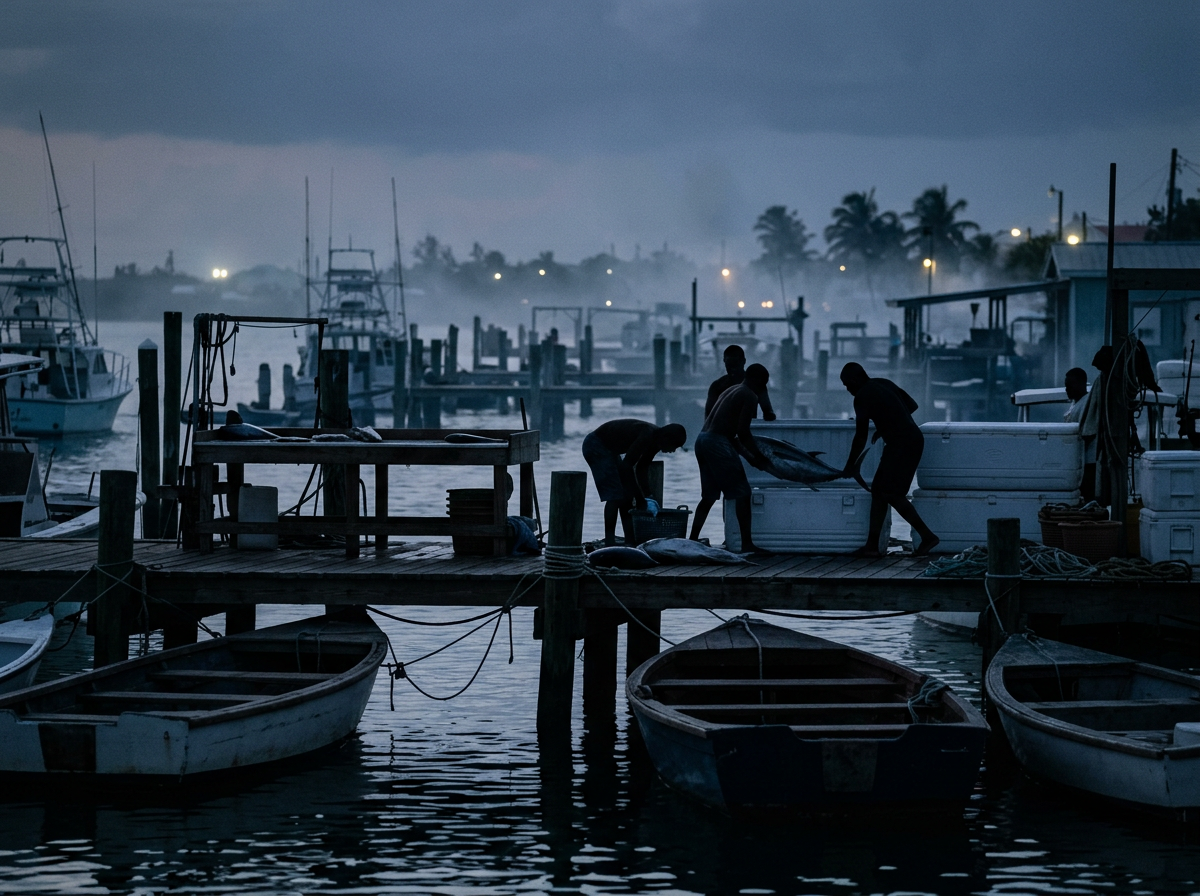
Bermuda health authorities issue warning against fish poisoning
suntci.com (Opens in new tab) | Published: 9/29/2026
Bermuda health officials have issued a public advisory regarding the risks of ciguatera and scombroid fish poisoning after recording five confirmed cases so far in 2026. The Ministry of Health and the Department of Environment and Natural Resources warn that these marine toxins cannot be detected by sight, smell, or taste. Ciguatera poisoning, which results from toxins in large predatory reef fish like barracuda and amberjack, is not traditionally common in the region but remains an ongoing concern. Separately, scombroid poisoning occurs when species such as tuna and mahi mahi are not chilled properly after capture, causing histamine buildup. Neither toxin is destroyed by cooking or freezing. To prevent scombroid poisoning, fishers are advised to bleed, gut, and ice their catch immediately. Anyone who experiences illness after eating fish should seek medical care promptly, as physicians are required to report suspected cases to the Epidemiology and Surveillance Unit for monitoring.
September 14, 2026
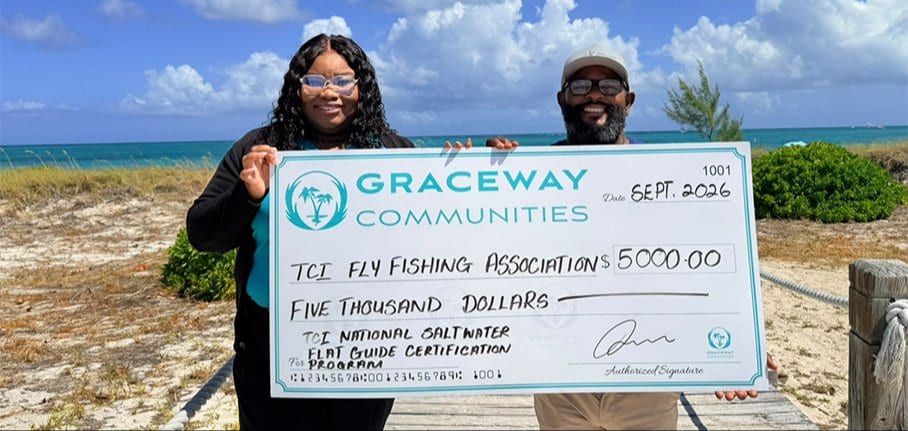
Graceway Communities Donates $5,000 to Support TCI National Saltwater Flats Fishing Guide Certification Program
suntci.com (Opens in new tab) | Published: 9/14/2026
Graceway Communities donated $5,000 to the Turks and Caicos Fly Fishing Association (TCFFA) for the TCI National Saltwater Flats Fishing Guide Certification Program. The program is the first formal, nationally recognized training standard for flats fishing guides in the Turks and Caicos Islands. The program combines classroom instruction with practical, on-the-water training in fly casting, fish handling and catch-and-release practices, client service, safety, boat maintenance and responsible use of the flats. Participants who complete the course will be certified through the Turks and Caicos Islands Community College. The inaugural cohort includes experienced local guides pursuing instructor certification and new guides training to enter the profession. By developing local expertise and professional standards, the program will help build capacity within the Turks and Caicos Islands and support the long-term sustainability of the flats fishing industry. Graceway Communities, the charitable arm of Graceway Supermarkets, says it remains committed to investing in programs that create opportunities for local people and support responsible use of the islands' natural resources.
September 1, 2026
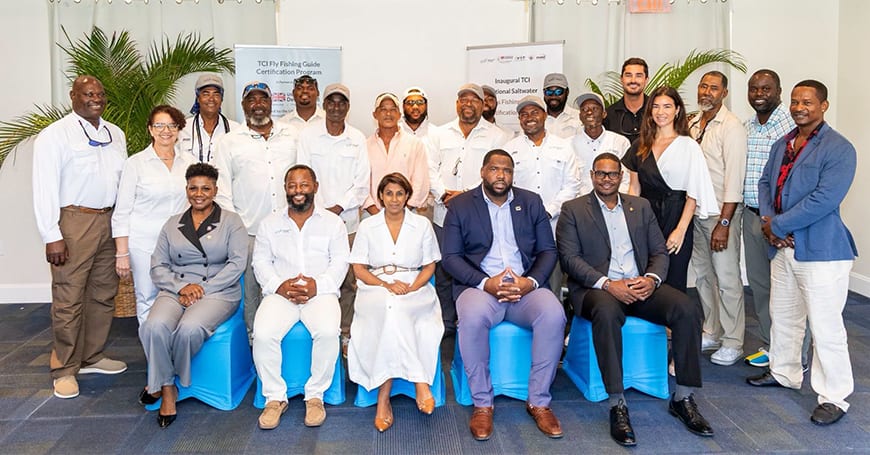
Flats fly-fishing programme opens new opportunities for TCI, Governor says
suntci.com (Opens in new tab) | Published: 9/1/2026
A new training programme to certify local flats fly-fishing guides will open economic opportunities and support marine conservation across the Turks and Caicos Islands, especially in the sister islands. Her Excellency Governor Dileeni Daniel-Selvaratnam celebrated the territory's first cohort at Beaches Turks and Caicos on Monday, August 24, 2026. The course was developed by the Turks & Caicos Fly Fishing Association Ltd. and TCI Community College, with funding from the UK Government’s Darwin Plus Programme and assistance from The Bahamas Fly Fishing Association. Flats fly-fishing uses artificial flies in shallow coastal waters to target species such as bonefish, providing an alternative to harvesting them. Governor Daniel-Selvaratnam noted the initiative turns conservation into practical livelihoods while safeguarding local fisheries. The certification ties into broader environmental commitments, including the UK Blue Belt Programme and the territory's duties under the Ramsar Convention on Wetlands, which covers more than 144,000 acres across North, Middle, and parts of East Caicos. Governor Daniel-Selvaratnam urged the new guides to set high standards for the industry as ambassadors and environmental stewards as the sector expands.
July 27, 2026
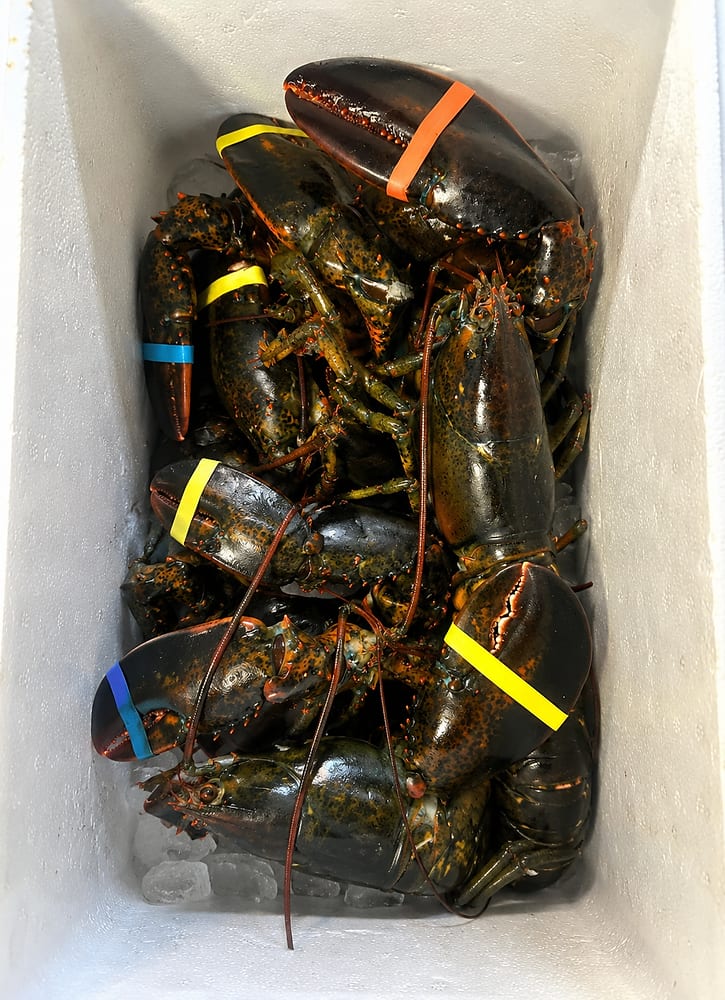
Lobster Season to Commence on 1 August 2026
www.newslinetci.com (Opens in new tab) | Author: NewslineTCI | Published: 7/27/2026
Lobster season opens in the Turks and Caicos Islands on Saturday, 1 August 2026 and runs through 31 March 2027. The Department of Fisheries and Marine Resources Management (FMRM) is reminding fishers, restaurants and the public of the rules that take effect with the opening. Under Section 15 of the Fisheries Protection Ordinance, as amended, whole crawfish must measure at least 3.25 inches along the back shell, or weigh 5 ounces as a tail. Egg-bearing, moulting or soft-shelled, and "tar-spotted" crawfish cannot be taken, and crawfish must be landed whole and unharmed. Violations can be reported to the FMRM at 338 4177 or fisheries@gov.tc.

Lobster season to commence on August 1, 2026
suntci.com (Opens in new tab) | Published: 7/27/2026
The Department of Fisheries and Marine Resources Management (FMRM) has reminded fishers, restaurants and the public that Lobster Season opens on Saturday, 1 August 2026 and runs through 31 March 2027. Fishers must follow the crawfish rules under Section 15 of the Fisheries Protection Ordinance (Ordinance 5 of 1941), as amended. The rules set a minimum whole length of 3.25 inches from the groove between the horns above the eyes to the rear edge of the back shell, or a minimum tail weight of 5 ounces when separated. Fishers may not possess egg-bearing crawfish or remove their eggs, may not take soft-shelled or "tar-spotted" crawfish, and must land crawfish whole and unharmed. Violations can be reported to the FMRM at 338 4177 or fisheries@gov.tc.
July 9, 2026
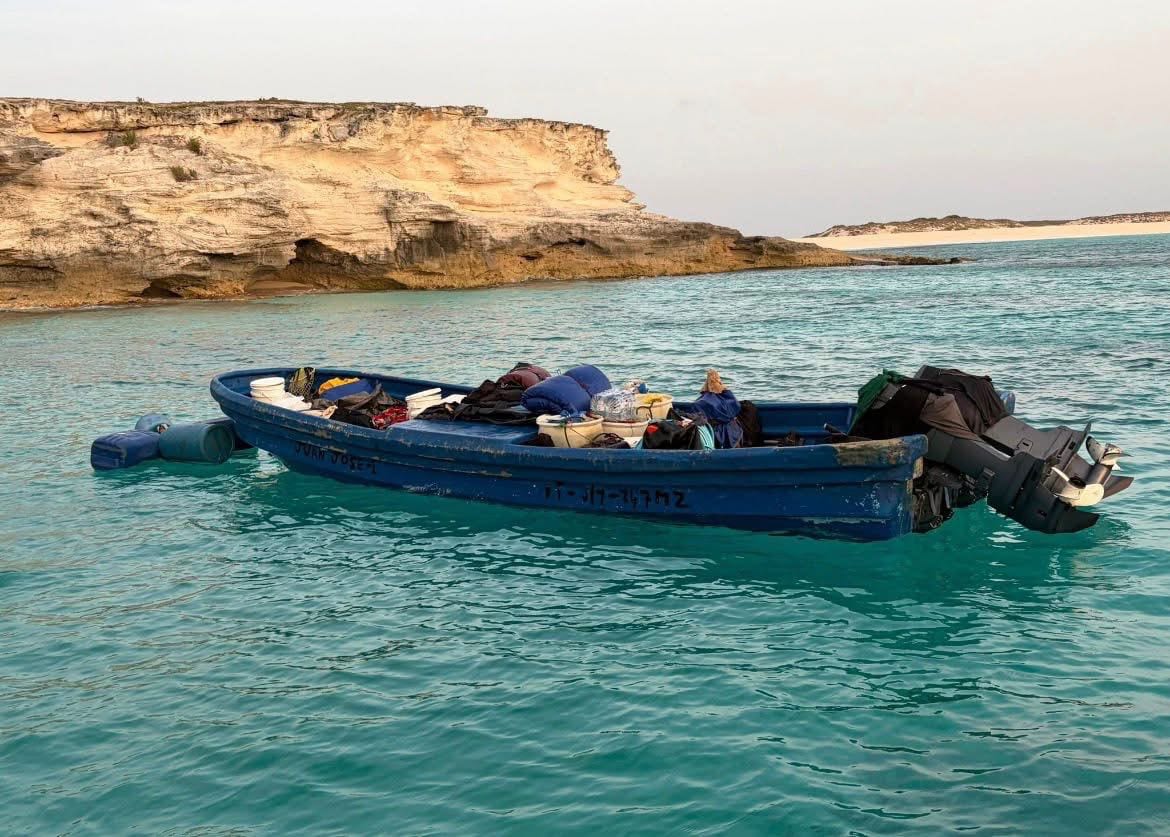
Seven Dominican Nationals in Custody for Poaching in TCI Waters
www.rtc89fm.com (Opens in new tab) | Author: Zoya Faessler | Published: 7/9/2026
Seven Dominican Republic nationals are in custody and a vessel has been seized following a joint maritime operation targeting suspected illegal fishing in Turks and Caicos Islands territorial waters. Acting on international intelligence on Sunday, July 5, 2026, the Royal Turks and Caicos Islands Police Force (RT&CIPF), the Turks and Caicos Islands Regiment, Border Force, and the Department of Environment and Coastal Resources (DECR) intercepted two vessels and recovered suspected poached marine products. DECR officers are continuing investigations alongside partner agencies, and authorities urge anyone with relevant information to call 911 or report anonymously via Crime Stoppers at 1-800-8477.
March 27, 2026
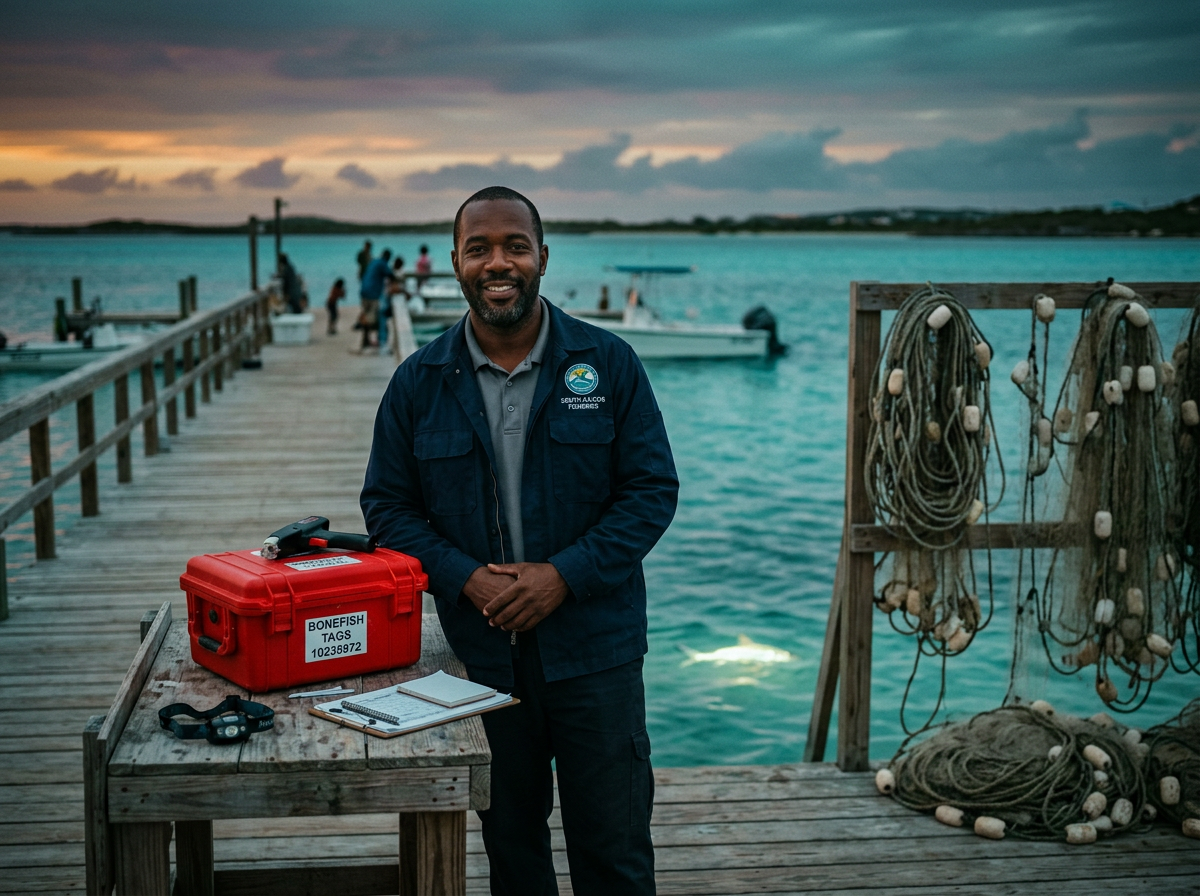
GOVERNMENT ADVANCES CRITICAL BONEFISH CONSERVATION MEASURE TO UNLOCK SUSTAINABLE ECONOMIC OPPORTUNITIES
www.gov.tc (Opens in new tab) | Published: 3/27/2026
Cabinet approved a policy to amend the Fisheries Protection Ordinance to prohibit the use of nets for catching bonefish across the Turks and Caicos Islands. The change makes netting bonefish illegal once enacted through the legislative process, while residents may still catch bonefish by line for personal consumption. Evidence shows nets indiscriminately trap juvenile, adult, and reproductive bonefish, risking population decline. By ending netting, the government aims to expand the high-value catch-and-release sport fishing sector to deliver higher economic returns. To assist fishers shifting into guided fishing, the Department of Fisheries and Marine Resources Management (DFMRM) stationed a newly recruited Fisheries Extension Officer in South Caicos to offer technical guidance and mentorship. The DFMRM is preparing to launch a Bonefish Tagging Programme to track movement, habitat connectivity, and population dynamics with community participation. The department will also roll out training programs covering sport fishing techniques, guiding certification, safety standards, business development, and catch-and-release practices alongside strengthened enforcement measures.
January 30, 2026
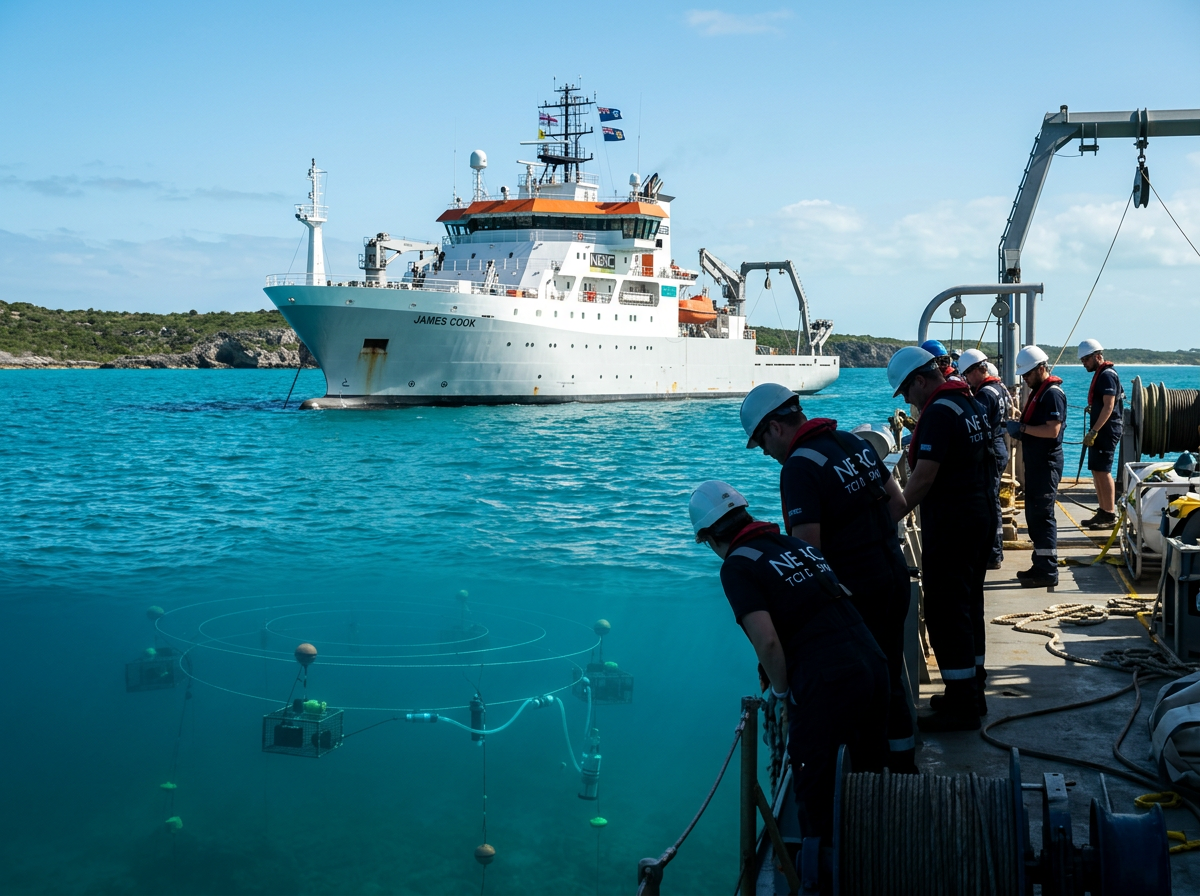
DECR AND DFMRM JOIN UK SCIENTISTS FOR “BEYOND THE REEF: CARIBBEAN EXPEDITION
www.gov.tc (Opens in new tab) | Published: 1/30/2026
Scientists from the Department of Environment and Coastal Resources (DECR) and the Department of Fisheries and Marine Resources Management (DFMRM) joined British researchers aboard the RRS James Cook to launch a marine survey across the waters of the Turks and Caicos Islands. Operating under the Blue Belt Programme, the Caribbean research expedition covers the deep-water environments around Anguilla, the Turks and Caicos Islands, and the Cayman Islands. Researchers are deploying Baited Remote Underwater Video systems (BRUVs), environmental DNA sampling, seafloor cameras, water tests, and acoustic monitoring to examine offshore ecosystems and identify potential new fisheries. The mission also focuses on measuring water quality, boosting local analytical expertise, and tackling illegal, unreported, and unregulated (IUU) fishing. The research ship conducts its local fieldwork through 10 February 2026. Evidence gathered during the voyage will guide the Turks and Caicos Islands Government in setting fishing regulations and marine conservation policies.
July 8, 2025
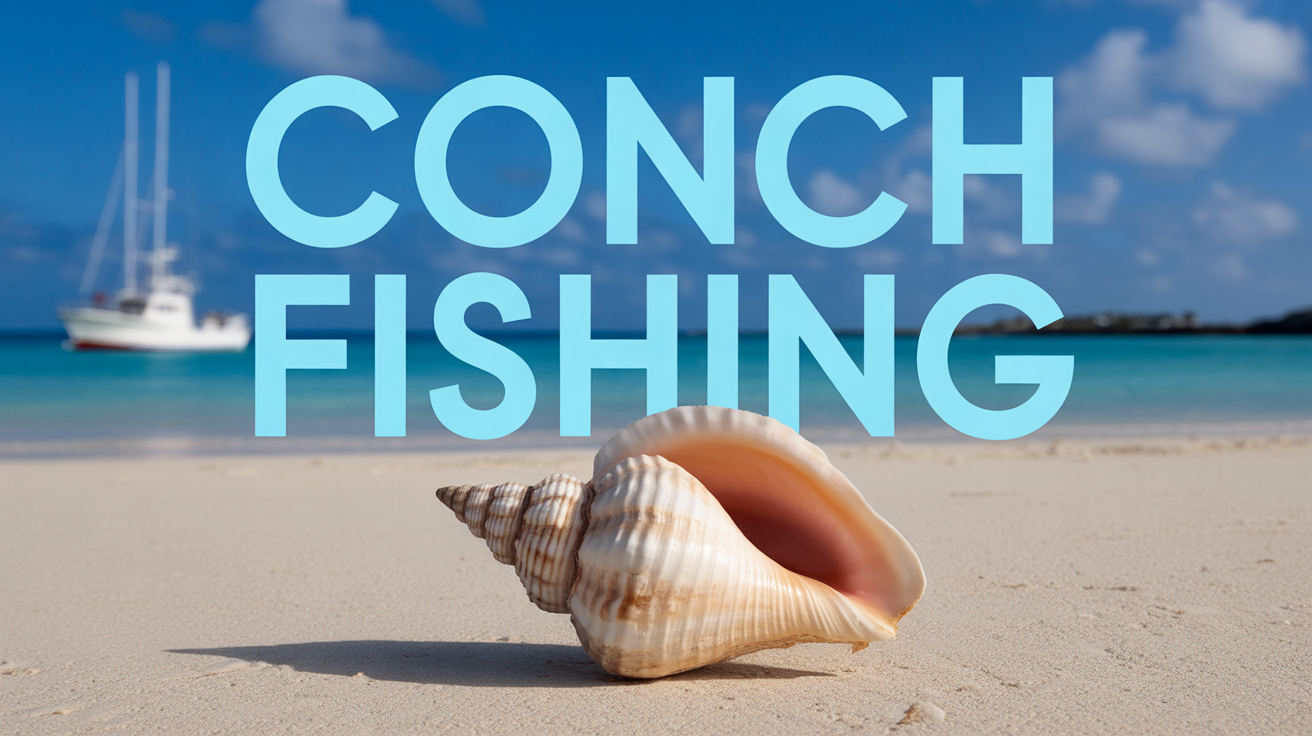
Closure Of Conch Season For Export
suntci.com (Opens in new tab) | Published: 7/8/2025
The Turks and Caicos Islands will prohibit all conch meat exports from 15th July through 15th October, whether for business or personal consumption, according to the Ministry of Tourism and the Fisheries Department. All categories of fishing licences expire on 31st July. Fishers must renew promptly or apply for new permits by contacting the department at (649) 338-5262 or fisheries@gov.tc.
July 3, 2025

Turks & Caicos Closes Conch Export Season Amid Stock Concerns
magneticmediatv.com (Opens in new tab) | Author: Deandrea Hamilton | Published: 7/3/2025
Queen conch meat exports from the Turks and Caicos Islands are halted from 15 July to 15 October 2025 to protect depleted stocks. The pause applies to both commercial shipments and personal use, following a joint decision by the Ministry of Tourism and Fisheries Department. Queen conch forms the second-largest commercial fishery in the islands, generating USD 3.5–5 million each year from around 500,000 pounds of annual exports, mostly sent to the United States. However, local consumption, tourism, climate impacts, and illegal harvesting continue to strain populations. The Monterey Bay Aquarium’s Seafood Watch currently lists local conch under an "Avoid" rating, pointing to depleted stocks and ineffective management. All categories of local fishing licences expire on 31 July 2025, and authorities are urging fishers to submit renewals and new applications. Fisheries officials plan to conduct updated population surveys and enforce quotas tied to international requirements alongside the Caribbean Regional Fisheries Mechanism.
June 19, 2025

Facilities At Black River Fishing Beach Upgraded
magneticmediatv.com (Opens in new tab) | Author: Deandrea Hamilton | Published: 6/19/2025
Minister of Agriculture, Fisheries and Mining Floyd Green officially opened a $3-million refurbished gear shed and bathroom facilities at Black River Fishing Beach in St. Elizabeth on June 18, 2025. The National Fisheries Authority (NFA) spearheaded the project, which repaired the gear shed and bathrooms, improved the sewer lines, and installed solar-powered lighting. The beach is one of six fishing beaches undergoing upgrades, with active work also progressing in Clarendon and St. Mary. Plans are underway to refurbish the fish market and reconnect running water by clearing outstanding arrears. To help fishers target pelagic species farther offshore, the ministry is deploying nine Fish Aggregating Devices (FADs) alongside training in long-line fishing techniques.
October 30, 2024
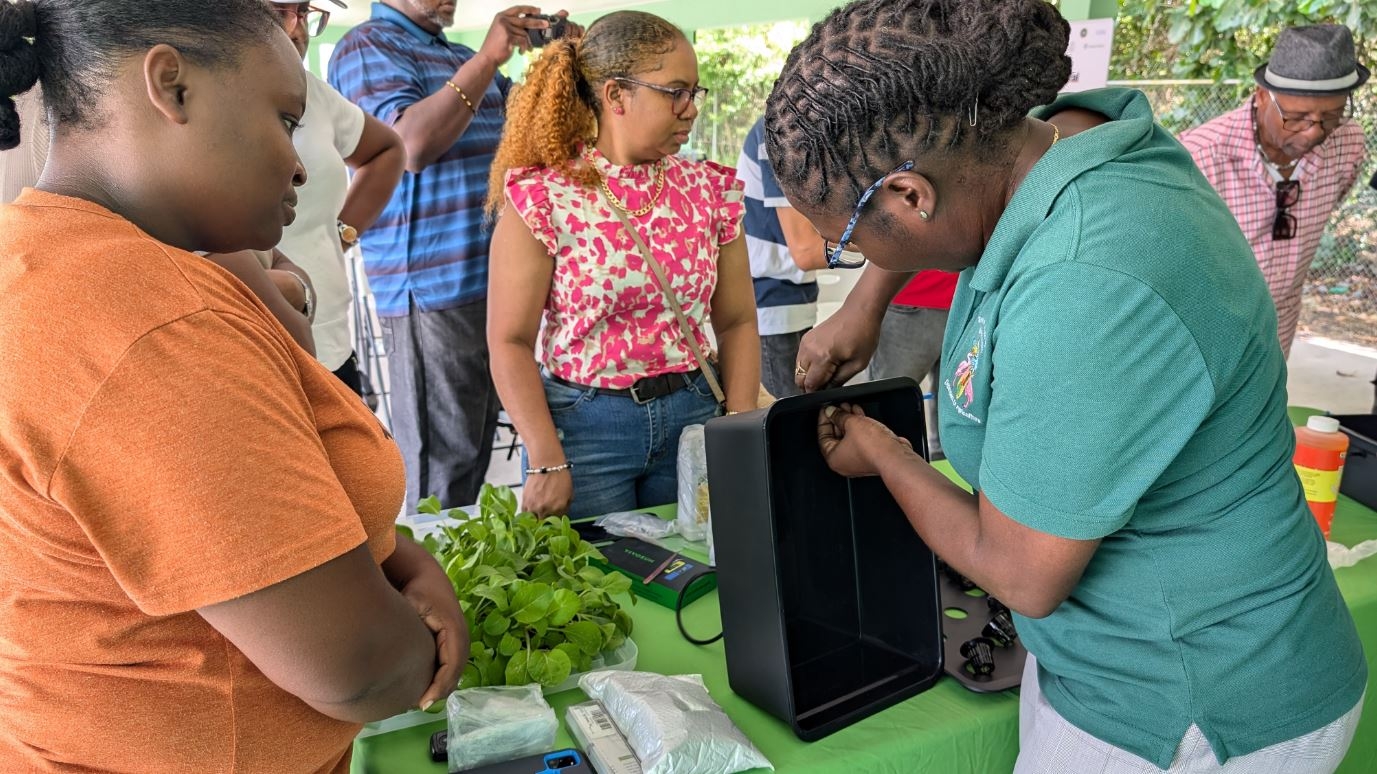
300 PERSONS TRAINED UNDER SUCCESSFUL INNOVATIVE PROJECT
www.rtc89fm.com (Opens in new tab) | Author: RTC Director | Published: 10/30/2024
The post-COVID-19 Resilient Recovery project in the Turks and Caicos Islands ends at the close of 2024, after training more than 300 people through its Community Hub since launching in 2022. The European Union-financed project, supported by the Resilience, Sustainable Energy and Marine Biodiversity (RESEMBID) Programme and implemented by Expertise France, focused on practical skills for food security and economic diversification. Consultant agronomist Mario A. M. Smith delivered training in hydroponic crop production and composting, and two participants became certified trainers. In partnership with the TCI Fishing Cooperative, the Hub also trained over 80 people in sustainable fisheries management and created 'Champion Fishers' who will now lead fisheries training across TCI. Green VI ran waste management training on Provo covering waste reduction and eco-friendly products. The project also produced a Natural Capital Investment Plan, developed by the Department of Environment and Coastal Resources (DECR) with the Joint Nature Conservation Committee, the TCI Fishing Co-operative, TCI National Trust and Invest Turks and Caicos. Hon. Josephine Connolly, Minister for Tourism and the Environment, said the initiative "brought tangible benefits to our islands". As the project winds down, final reports will be posted to the project website and a resource centre for a virtual Community Hub will be established, giving residents and businesses ongoing access to the training materials.
October 15, 2024
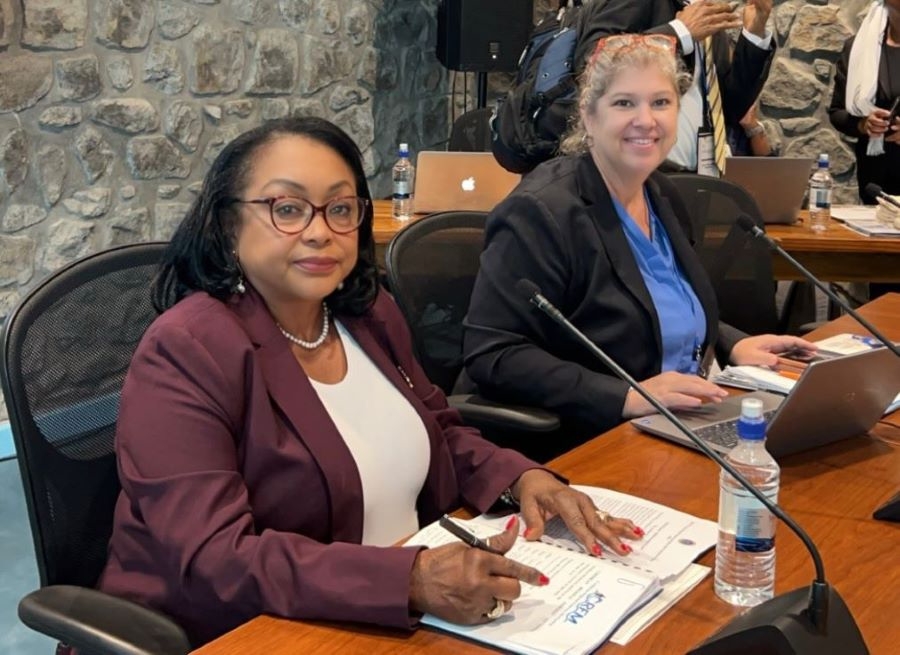
Minister Hon. Josephine Connolly and delegation attend the 18th Caribbean Week of Agriculture
www.rtc89fm.com (Opens in new tab) | Author: RTC Director | Published: 10/15/2024
Minister Honourable Josephine Connolly led a Turks and Caicos Islands delegation to the 18th Caribbean Week of Agriculture and the 14th Special Meeting of the Caribbean Regional Fisheries Mechanism (CRFM) Ministerial Council, held in St. Vincent and the Grenadines in October 2024. She attended as Chairperson of the CRFM Ministerial Council. She was joined by Acting Director of Fisheries Kathy Lochkhart, Director of Agriculture Wilhelmina Kissoonsingh and Executive Administrator Leandrea Missick. Presiding over the CRFM meeting, Connolly guided discussions on improving fisheries statistics and information systems, embedding biodiversity into fisheries policies, and implementing the Convention on Biological Diversity's Global Diversity Framework, producing steps toward sustainable regional fisheries management. "The decisions we made will help to protect marine ecosystems while supporting the livelihoods of those who depend on them," she said. The delegation also joined the week's daily Agriculture Trade Show, which showcased technologies and sustainable practices aimed at raising productivity and food security amid climate change. Regional officials, including Kissoonsingh and Lochkhart, praised the exchanges as valuable for the Turks and Caicos Islands. Connolly said she looks forward to "applying the insights and solutions we've gathered" at home.
March 11, 2024
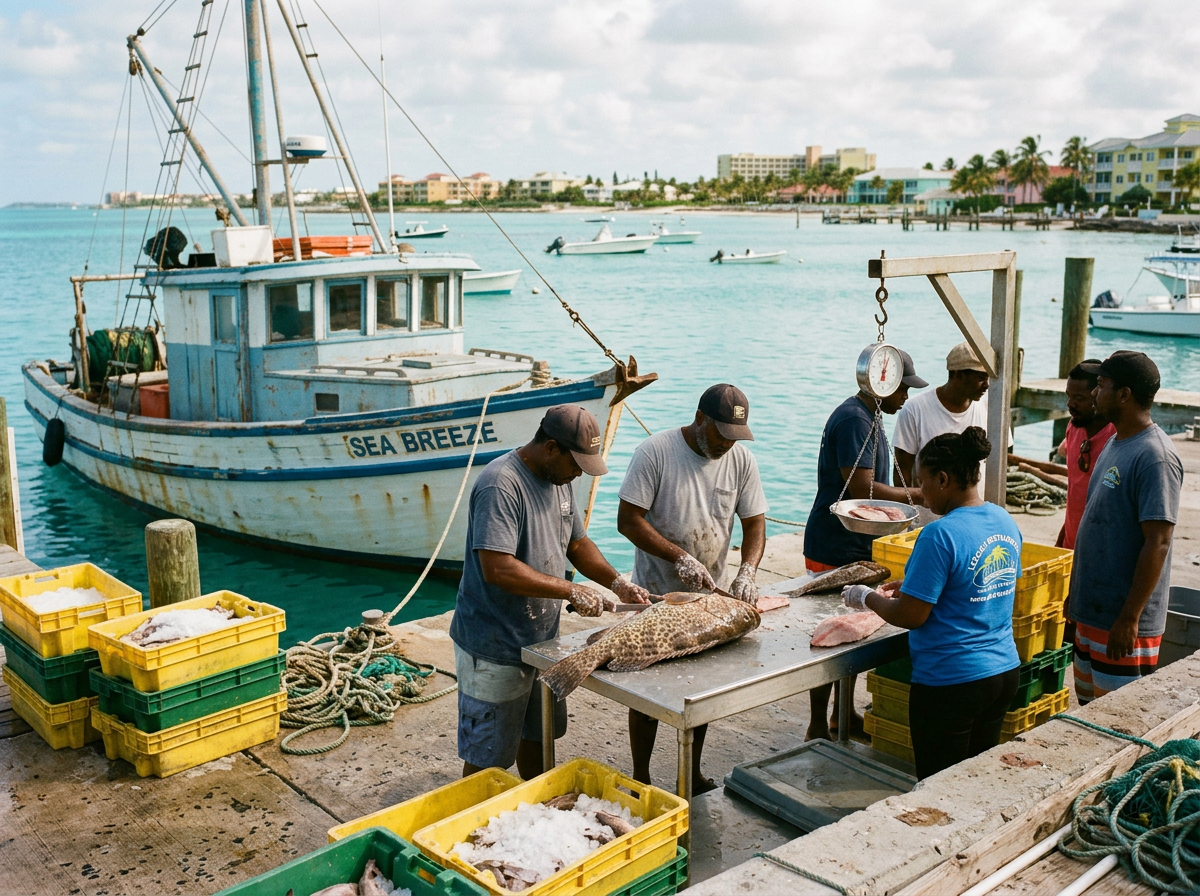
NASSAU GROUPER SEASON on Friday, March 1st, 2024 to November30th, 2024
www.rtc89fm.com (Opens in new tab) | Author: RTC Director | Published: 3/11/2024
Nassau grouper season is open in the Turks and Caicos Islands from Friday, March 1st, 2024 to November 30th, 2024. The Department of Fisheries and Marine Resource Management (DFMRM) announced the dates to fishing interests, restaurants and the public. Under the Fisheries Protection Ordinance, hawksbill turtles cannot be captured from 1 August to 31 March each year, and the crawfish season closes March 31, 2024. Report violations to 1(649) 338-4171 or fisheriesandmaritime@gov.tc.