
Environment
October 13, 2026
Request for transparency and public accountability regarding the proposed leasing of beach accesses in Turks and Caicos Islands especially on Providenciales
suntci.com (Opens in new tab) | Author: Staven Sinclear Rigby - Former Minister for Environment and Coastal Resources | Published: 10/13/2026
An open letter published on October 13, 2026, calls for full government transparency regarding potential long-term lease agreements for public beach accesses across the Turks and Caicos Islands. The author expresses concern that such contracts with private developers could permanently restrict public access to these critical national assets. The author argues that beach access is a vital part of the national heritage and that long-term leases effectively transfer public land to private control for generations. Specific concerns are raised regarding a potential lease adjacent to The Sands at Grace Bay, though the author notes this remains unconfirmed. The letter demands clarity on whether environmental assessments were conducted, how financial consideration is determined, and why residents were not consulted before such arrangements were proposed or finalized. The author warns that granting exclusive rights to one developer creates a legal precedent that could force the government to approve similar requests from others, potentially leading to the widespread loss of public space. The piece concludes by urging the administration to publicly disclose the identities of involved parties, the terms of any existing 99-year agreements, and the safeguards implemented to protect the rights of future generations.
October 7, 2026

Two Months On, The Bahamas Academy of Sciences Turns Fifty Years of Research into Action
magneticmediatv.com (Opens in new tab) | Author: Deandrea Hamilton | Published: 10/7/2026
Two months after launching its public record, The Bahamas Academy of Sciences (BAS) has translated five decades of research into active policy and engagement. The organization has published its first peer-reviewed paper and delivered a strategic policy brief to the government to improve national scientific capacity. The Academy’s inaugural publication in *Gulf and Caribbean Research* analyzed 12,113 scholarly records from 1975 to 2025. The study highlights deficiencies in groundwater and renewable energy research. In September, BAS President Dr. Krista Sherman presented findings to the Hon. Zane Lightbourne, Minister of the Environment and Natural Resources. This brief proposes ten strategic priorities, including a national environmental data repository. BAS representatives also brought expertise to Climate Week, emphasizing the vulnerability of the archipelago’s islands to sea-level rise. The Academy’s public awareness campaign concludes its collaboration with local creators on 30 November. Upcoming initiatives include a classroom event for students, the launch of a video-podcast series, and a practical statistics course scheduled for early 2027.
September 28, 2026
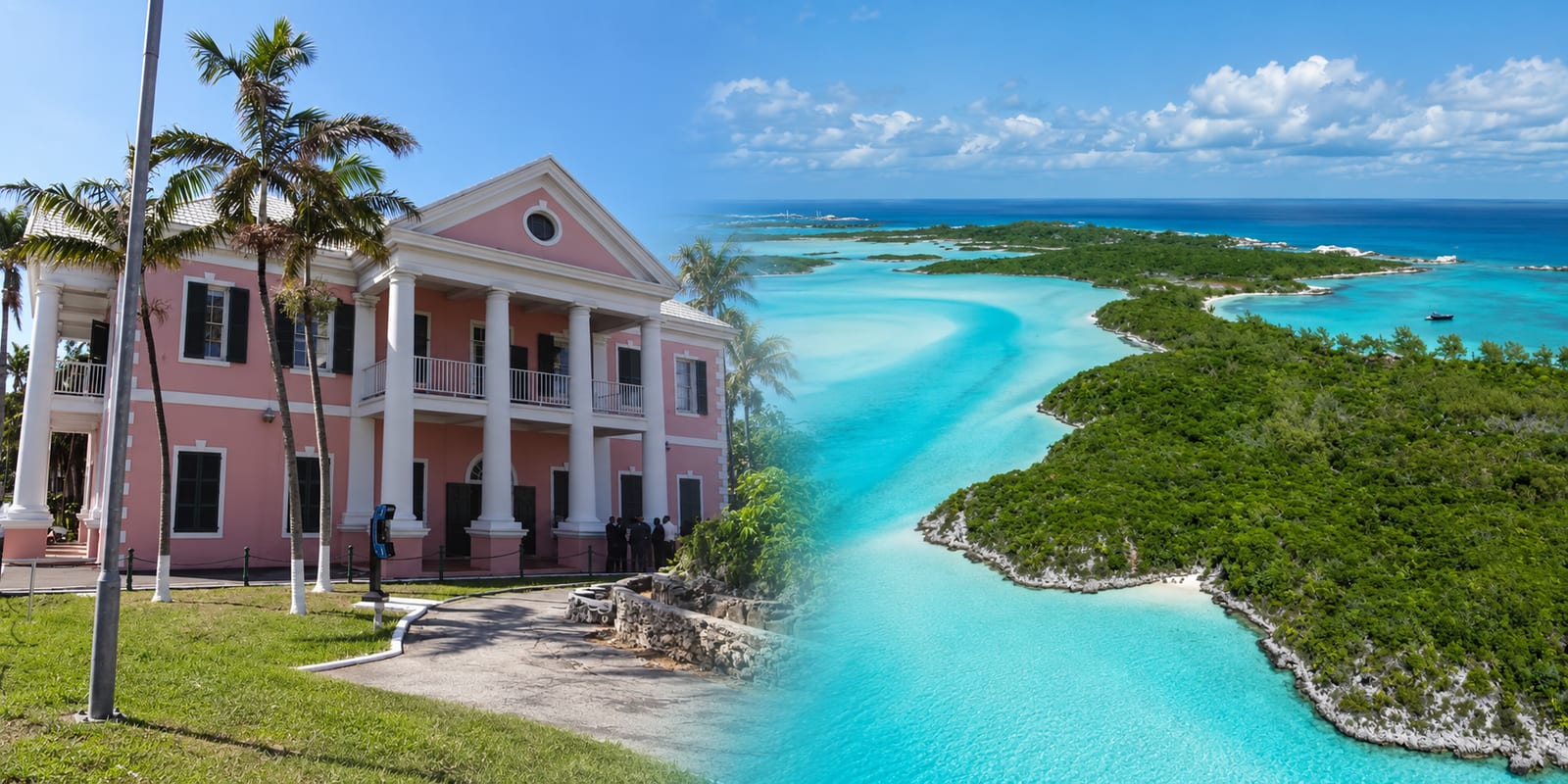
‘Even Nygard didn’t try that’ – Supreme Court hears massive 400-foot seawall was added to Rosewod Exuma behind the public’s back
magneticmediatv.com (Opens in new tab) | Author: Deandrea Hamilton | Published: 9/28/2026
In The Bahamas, legal counsel for the group Turtlegrass told the Supreme Court on September 28, 2026, that developers of the Rosewood Exuma project added a 390-foot seawall to their plans after public consultation had already concluded. The challenge argues that this massive structure was hidden from the public despite its potential to cause significant environmental damage to the surrounding bay. Fred Smith, KC, argued the breakwater, which would be roughly 40 feet wide, was never vetted. He claimed the environmental impact assessment lacked details, and the Department of Environmental Planning and Protection failed to require new studies after the dock shifted. The government countered that fresh consultation for every change is unworkable. Smith stated, “This is a matter of fairness. Full stop.” He emphasized that developers possessed drawings of the extended dock months before the initial assessment, yet withheld them from the public. The legal challenge examines whether the government’s approval process violated environmental regulations. The developer’s consultants had argued against relocating the dock because it conflicted with luxury-focused super yacht berthing plans. Turtlegrass maintains that the approval process denied them the information needed for informed participation, and the court must now determine if the Director’s decision was legally sound.
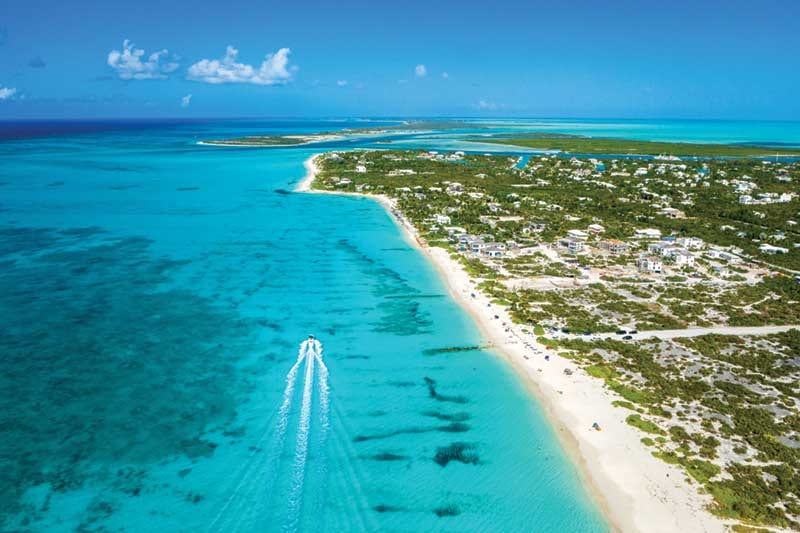
A Looming Crisis
www.timespub.tc (Opens in new tab) | Author: Kathy | Published: 9/28/2026
The Turks & Caicos Islands Planning Board is reviewing a proposal from Blue Conch Holdings to construct three rock groynes at the Kempinski resort on Grace Bay. The developer seeks to install these structures to combat local beach erosion, a plan that has drawn significant public opposition. The Environmental Impact Assessment proposes building three T-shaped groynes extending 57, 53, and 42 meters into the ocean to trap sand. Critics argue these structures threaten the Princess Alexandra National Park, citing failed results at Leeward Beach where similar installations created eyesores rather than restoring the shoreline. Coastal experts claim such barriers often displace erosion elsewhere, potentially degrading the area's appeal for visitors. The board must decide whether to approve this construction or reject it to protect the coastline. Author Ben Stubenberg advocates for an independent study to identify the true causes of erosion and evaluate removing existing groynes instead. This decision carries lasting implications for Grace Bay, as the installation of permanent rock structures is difficult to reverse.
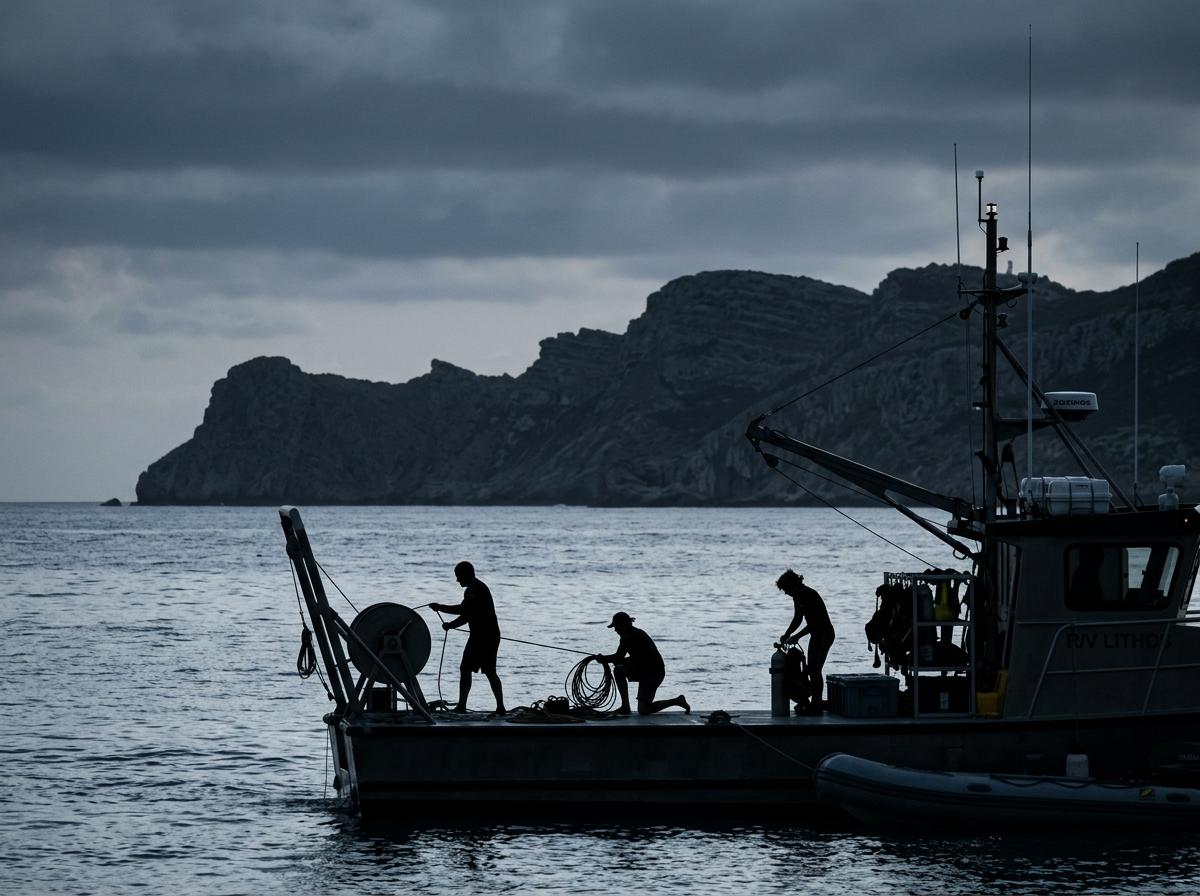
Deep Understanding
www.timespub.tc (Opens in new tab) | Author: Kathy | Published: 9/28/2026
Researchers at The School for Field Studies (SFS) Center for Marine Resource Studies have spent over a decade monitoring South Caicos reefs to determine if deeper waters offer better survival chances. Their findings, released on September 28, 2026, indicate that while deeper reefs may act as vital biodiversity reservoirs, the entire ecosystem faces a concerning drop in coral cover. Since 2012, the team has tracked reef health at three depths using permanent transects. Shallow reefs are productive but vulnerable, while 20-meter sites exhibit higher diversity and stability. However, pressures like Stony Coral Tissue Loss Disease, pollution, and heat are impacting all areas. Dr. Heidi Hertler, Center Director, noted that “Deeper reefs may provide important refuges for coral diversity.” The study analyzed data collected between 2012 and 2024 to distinguish long-term trends from short-term fluctuations. SFS scientists will continue comprehensive monitoring across the reef gradient to inform conservation strategies. The Center for Marine Resource Studies welcomes public support through donations or educational tours at their South Caicos campus. For further information on these research and conservation initiatives, contact Dr. Heidi Hertler directly.
September 25, 2026

Opinion | Has TCI Gone Fishing, and Lost Sight of What Matters Most?
www.newslinetci.com (Opens in new tab) | Author: Ed Forbes | Published: 9/25/2026
In an opinion piece published on September 25, 2026, Ed Forbes argues that the Turks and Caicos Islands must realign national priorities to focus on marine conservation rather than niche pursuits. He contends that the territory’s economic future depends on protecting its natural assets through structured research and enforcement. Forbes asserts that while tourism relies on healthy reefs, government commitment has lagged behind growth. He identifies critical deficiencies, including a lack of accessible public boat ramps, sufficient moorings, and dedicated beach cleanup services. Furthermore, he questions whether limited educational resources are being directed toward skills with the greatest long-term impact. The author notes that environmental laws remain ineffective without stronger political will. He writes, "Protecting these priceless natural assets demands more than good intentions." Consequently, he warns that upcoming partnerships, such as those with MSC cruise lines in Grand Turk, require careful preparation regarding infrastructure pressure. The author concludes that policymakers must re-evaluate what knowledge is essential for the success of local children. He suggests that educational investments should be guided by evidence and long-term development goals. Ultimately, Forbes calls for a balanced approach that supports both environmental stewardship and responsible entrepreneurship to ensure the islands' future prosperity.
September 21, 2026
Derelict vehicles becoming growing hazard across TCI
suntci.com (Opens in new tab) | Author: Daisy Handfield | Published: 9/21/2026
Health Minister Kyle Knowles says derelict vehicles are a growing hazard across the Turks and Caicos Islands, with the Environmental Health Department receiving an increasing number of reports about abandoned cars. Government is examining a more coordinated approach to identifying, removing and disposing of them. Knowles attributed the rise partly to the growing number of vehicles in the country and the shorter lifespan of some third-party used vehicles. He said abandoned cars become breeding grounds for mosquitoes, fire hazards, havens for criminals and environmental threats when leaking oils seep into the ground. He said "there has to be a process as to how they're decommissioned", with the scrap metal policy covering much of the disposal, the littering policy letting Environmental Health penalise owners, and police able to tow and impound at the owner's cost. New vehicle stickers with barcodes could help authorities trace owners faster, and severely derelict cars are marked with a large orange X before disposal. Knowles said the various government mechanisms must work together, and urged owners to be community-minded, telling authorities if they cannot afford to remove a vehicle so it is not treated as abandoned.
September 15, 2026
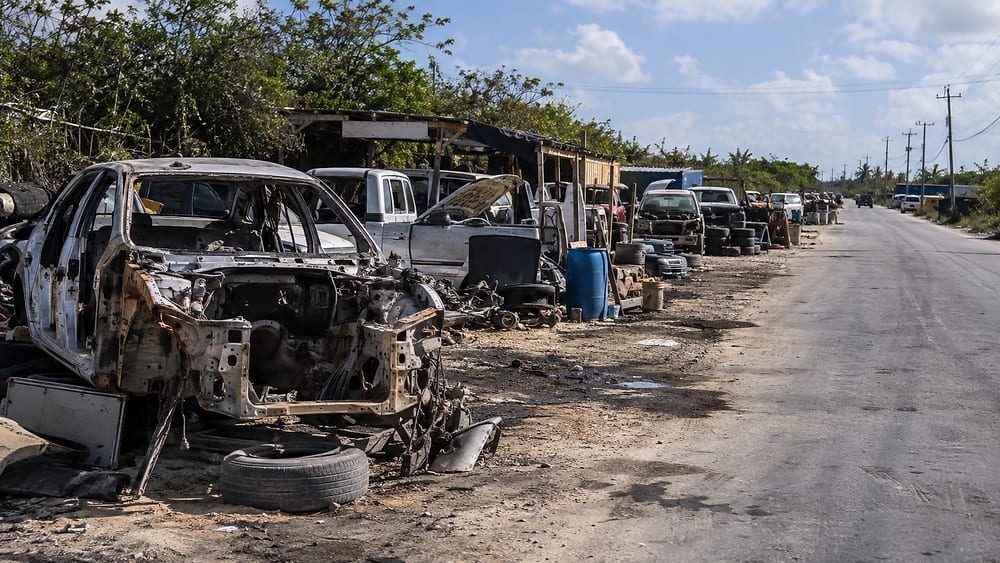
Opinion | A 1 Kilometre Warning: Why TCI Must Finally Regulate the Bush Mechanic Economy
www.newslinetci.com (Opens in new tab) | Author: 'Paladin' | Published: 9/15/2026
In an opinion piece published on September 15, 2026, the author warns that Providenciales faces a crisis due to unregulated roadside mechanic yards. The article describes a one-kilometre stretch of hazardous industrial activity and discarded vehicle parts, urging the government to enforce existing laws to restore order in local communities. The author argues that these operations violate multiple statutes, including the Business Licensing Ordinance and the Physical Planning Ordinance, which require mechanics to work from inspected, fenced, and environmentally contained locations. These unregulated sites create environmental hazards like groundwater pollution and fire risks while depressing property values. Unlike regional neighbors that enforce strict zoning, the author contends that Turks and Caicos suffers from a lack of planning discipline rather than a lack of legislation. The proposed three-phase plan begins with immediate containment. Phase I, spanning 6 months, calls for freezing new licenses and removing abandoned vehicles within 14 days of notice. Subsequent phases involve relocating mechanics into designated automotive zones with subsidized leases and establishing a national recycling program. The author concludes that while restructuring the sector will take up to 36 months, the government must act now to ensure community safety and national dignity.
September 10, 2026
Opinion | Building Ourselves Out of Paradise: How Turks and Caicos Is Consuming Its Own Tourism Product
www.newslinetci.com (Opens in new tab) | Author: 'Paladin' | Published: 9/10/2026
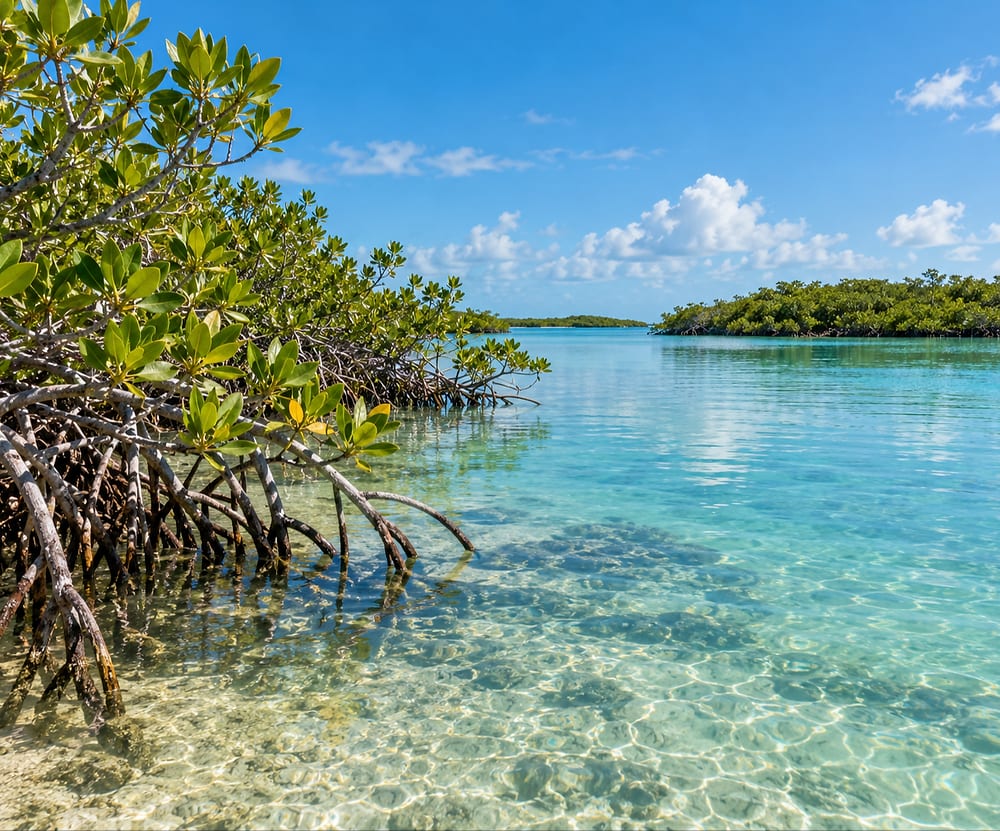
In this opinion piece, the writer argues that Turks and Caicos Islands' tourism-driven development is destroying the natural environment that sustains it, calling the government's celebrated milestones—2 million visitors in 2025—a paradox that erodes the core tourism product. The piece notes Premier Charles Washington Misick's declaration that the challenge is "how to govern tourism growth" and Tourism Minister Zhavargo Jolly's warning that tourism "only works when people feel like it belongs to them." It lists environmental costs: coastal degradation at Northeast Long Bay and Chalk Sound, depleted conch and fish stocks, uncontrolled landfills in Providenciales and Grand Turk, and generic architecture replacing indigenous vegetation. The Department of Environment and Coastal Resources (DECR), Turks and Caicos Reef Fund (TCRF), Marine Police, and National Trust are described as under-resourced guardrails. The writer proposes a three-year phased solution within existing TCI law—freezing mega-resort approvals on Grand Turk, linking tourism licensing to conservation, redistributing growth to North, Middle and South Caicos, and reforming cruise tourism with daily passenger caps—and concludes that the country must stop consuming its own product and empower the institutions designed to protect it.
September 7, 2026
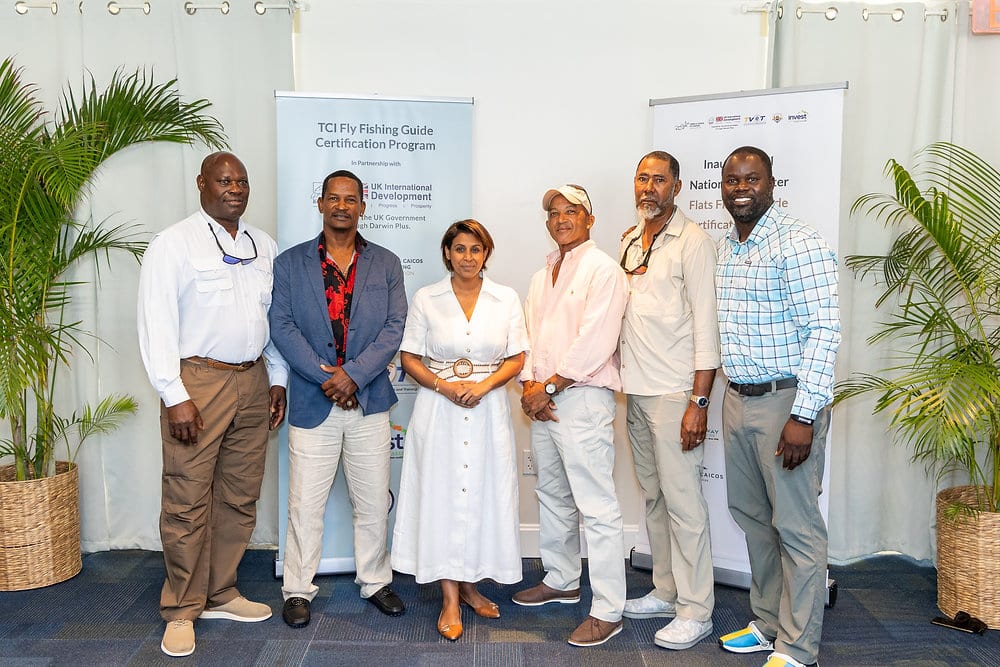
Turks and Caicos Opens First-Ever Certification Programme for Its National Saltwater Flats Fishing Guides
www.newslinetci.com (Opens in new tab) | Author: NewslineTCI | Published: 9/7/2026
Flats fishing guides in the Turks and Caicos Islands now have access to their first-ever formal training standard, following the launch of the Turks and Caicos National Saltwater Flats Fishing Guide Certification in early September 2026. The Turks and Caicos Fly Fishing Association (TCFFA) established the programme alongside the Bahamas Fly Fishing Industry Association, with backing from the UK Government’s Biodiversity Challenge Funds through the Darwin Plus Programme. Blending classroom lessons with practical on-the-water training, the curriculum prepares veteran guides as instructors alongside novice guides. Certified graduates earn credentials through the Turks and Caicos Islands Community College (TCICC) Blue Economy Initiative Technical and Vocational Education and Training programme. Her Excellency the Governor, Dileeni Daniel-Selvaratnam, noted that conservation and prosperity can reinforce one another when approached responsibly. TCFFA is now seeking funding for a second cohort aimed specifically at young people in South Caicos and the other Sister Islands, with interested organisations invited to contact comms@tcffa.info.

King Charles praises TCI’s progress, crime reduction in Constitution Day message
suntci.com (Opens in new tab) | Published: 9/7/2026
King Charles III commended the Turks and Caicos Islands for reducing violent crime and advancing its democratic institutions in a message celebrating the territory's first observance of Constitution Day on 7 September 2026. In a letter sent to Governor Dileeni Daniel-Selvaratnam, the King marked fifty years since the first elected government of the Islands, noting developments such as the 2024 renaming of the House of Assembly to the Turks and Caicos Islands Parliament. King Charles III also extended congratulations to Premier Charles Washington Misick, pointing to the territory's community strength and environmental work under the United Kingdom Government’s Blue Belt Programme. The King noted that the inclusion and expansion of fully protected, no-fishing areas within local Marine Protected Areas will further preserve the barrier reefs and marine biodiversity, following research conducted earlier in 2026 by the Royal Research Ship James Cook.
September 4, 2026
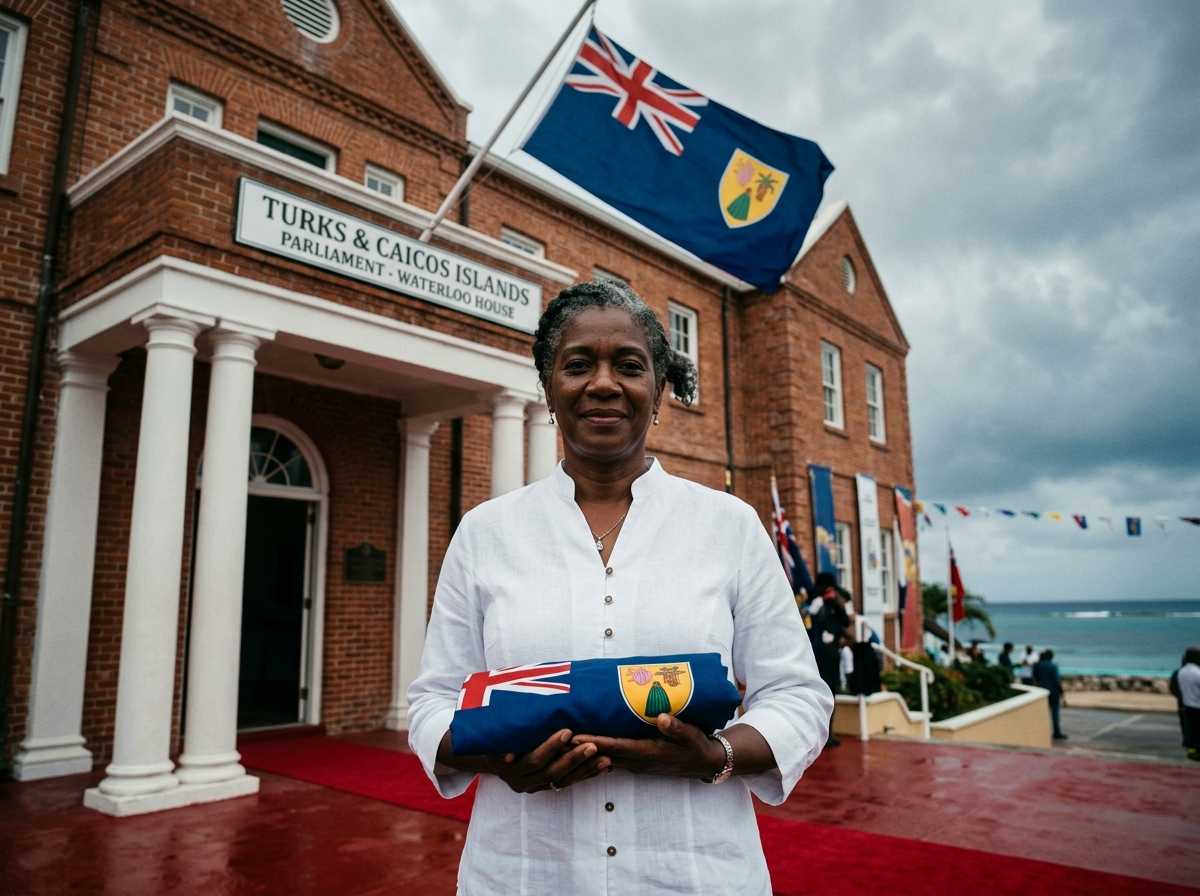
King highlights TCI’s ‘shared duty of stewardship’ on Constitution Day
tcweeklynews.com (Opens in new tab) | Author: Weekly News reporter | Published: 9/4/2026
King Charles III praised the Turks and Caicos Islands for environmental protection, democratic growth, and steps taken to reduce violent crime as the territory marked 50 years of ministerial government. In a message shared on Sunday, August 30, 2026, by the Governor's office, the monarch commended the premier and residents on the first observance of Constitution Day. He noted that democratic institutions have developed over decades, pointing to the 2024 renaming of the House of Assembly as the Turks and Caicos Islands Parliament. Addressing conservation, he stated that the U.K. government's Blue Belt Programme reflected a shared commitment to environmental protection. He also commended the territory's Marine Protected Areas, the expansion of fully protected no-fishing zones, and scientific research conducted earlier in 2026 by the Royal Research Ship James Cook. Moving forward, the territory will celebrate Constitution Day annually on the last Monday in August. The new holiday commemorates the 1976 adoption of the constitution alongside National Flag Day celebrations and community events.
September 1, 2026
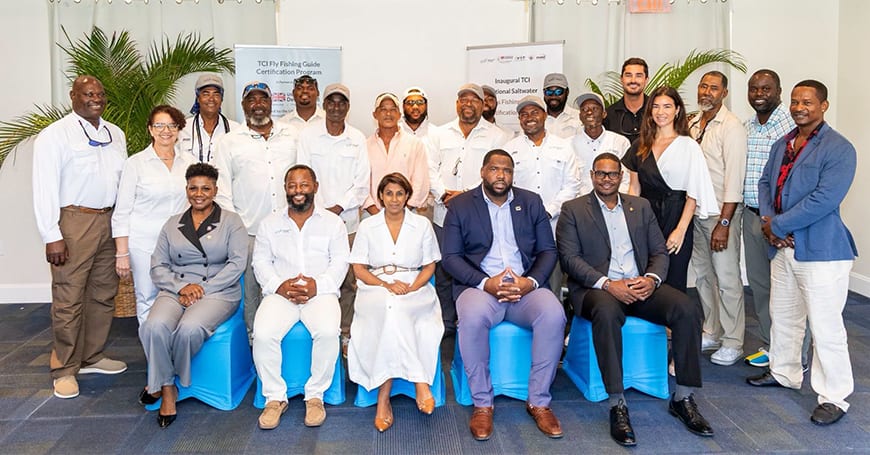
Flats fly-fishing programme opens new opportunities for TCI, Governor says
suntci.com (Opens in new tab) | Published: 9/1/2026
A new training programme to certify local flats fly-fishing guides will open economic opportunities and support marine conservation across the Turks and Caicos Islands, especially in the sister islands. Her Excellency Governor Dileeni Daniel-Selvaratnam celebrated the territory's first cohort at Beaches Turks and Caicos on Monday, August 24, 2026. The course was developed by the Turks & Caicos Fly Fishing Association Ltd. and TCI Community College, with funding from the UK Government’s Darwin Plus Programme and assistance from The Bahamas Fly Fishing Association. Flats fly-fishing uses artificial flies in shallow coastal waters to target species such as bonefish, providing an alternative to harvesting them. Governor Daniel-Selvaratnam noted the initiative turns conservation into practical livelihoods while safeguarding local fisheries. The certification ties into broader environmental commitments, including the UK Blue Belt Programme and the territory's duties under the Ramsar Convention on Wetlands, which covers more than 144,000 acres across North, Middle, and parts of East Caicos. Governor Daniel-Selvaratnam urged the new guides to set high standards for the industry as ambassadors and environmental stewards as the sector expands.
August 26, 2026
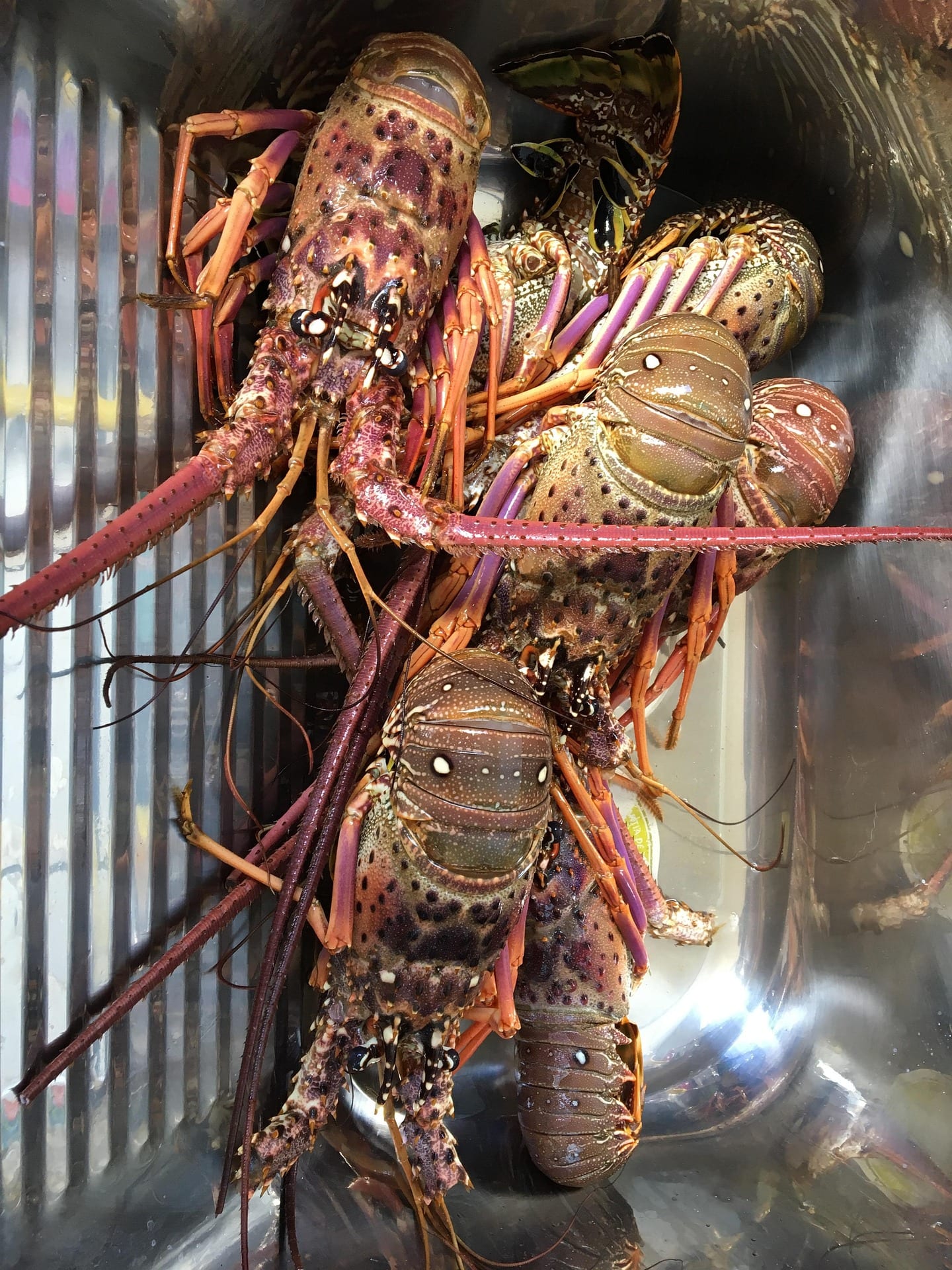
35,000 pounds of Crawfish Collected in First Three Days of Lobster Season
www.rtc89fm.com (Opens in new tab) | Author: Danae Dennie | Published: 8/26/2026
Commercial fishers across the Turks and Caicos Islands landed 35,384.4 pounds of crawfish during the first three days of the 2026–2027 spiny lobster season. Catches were brought into docks on Providenciales, South Caicos and Grand Turk despite difficult weather conditions. South Caicos led all islands with 25,681 pounds brought in across the opening period, including nearly 15,000 pounds from 37 vessels on the first day alone. Providenciales recorded 8,488 pounds, while Grand Turk recorded 1,215.4 pounds. Hon. Zhavargo Jolly, Minister of Tourism, Environment, Fisheries and Marine Affairs, noted that the early numbers demonstrate that “this season looks very promising.” Compliance checks found most catch to be legal, though officers in Providenciales seized 47 undersized and moulted crawfish on the first day and an estimated 22 pounds combined on the second. Officers also used Inshore Vessel Monitoring System tracking to rescue a disabled vessel and a fisher in distress. The lobster season runs through March 31, 2027. Unregistered fishers who still need to sign up can contact the Department of Fisheries and Marine Resources Management by phone at (649) 338 4177 or by email at arponteen@gov.tc.
August 25, 2026
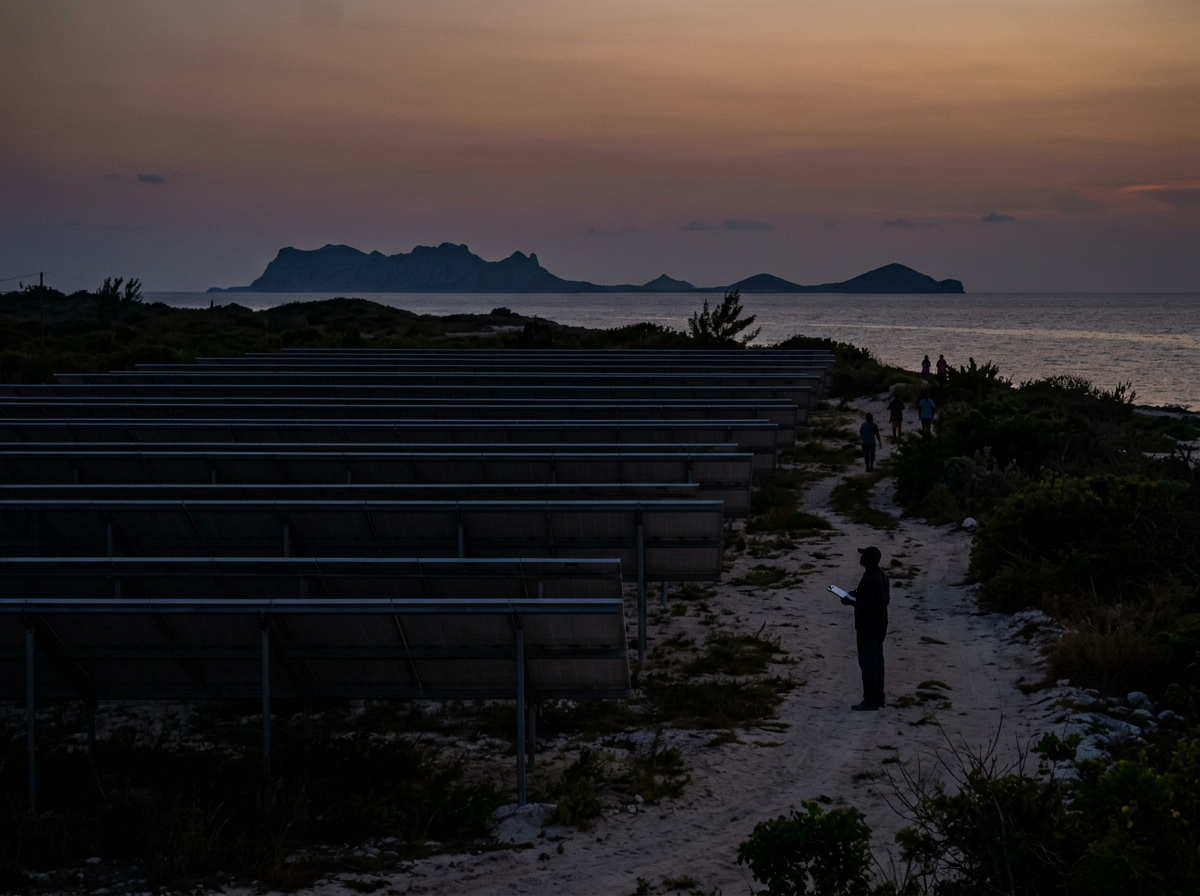
The Price of Being One Step Behind the Energy Crisis
suntci.com (Opens in new tab) | Author: Ed Forbes - Concerned citizen of Grand Turk | Published: 8/25/2026
In an opinion column published in August 2026, commentator Ed Forbes calls for accountability from utility provider Pelican Energy TCI Ltd., previously known as FortisTCI, over promised solar projects across the Turks and Caicos Islands. Forbes questions the status of an $8 million investment announced in June 2023 for solar-plus-battery microgrids intended to power approximately 30 percent of North and Middle Caicos and 91 percent of Salt Cay. Forbes points out that groundbreakings took place in July 2023 with initial completion targets set for 2024 and 2025, but the public lacks clear information on whether the systems are operating. While Pelican Energy commissioned a 414-kilowatt rooftop solar system at Salterra Resort in South Caicos, Forbes argues residents deserve a roadmap showing what has been built versus what is delayed, especially as the company generated $118 million in revenue in 2024. Pelican Energy is now seeking planning permission for a 10-megawatt solar farm and battery microgrid on approximately 20 acres in Providenciales. Forbes urges the government to move faster, agreeing with Minister for Innovation, Technology and Energy Hon. Jay Saunders that moving away from diesel requires planning, but arguing that officials should offer low-interest loans, grants and tax incentives so homeowners and small businesses can install solar systems and sell excess power to the grid.