
Opinion
October 15, 2026

Opinion | A Modest Proposal III: Financial Instruments for Turks Islanders - Let's Break the Cycle
www.newslinetci.com (Opens in new tab) | Author: 'Paladin' | Published: 10/15/2026
In an opinion piece published on October 15, 2026, the author argues that the Turks and Caicos Islands must establish both a Sovereign Wealth Fund and a Citizen Wealth Fund. This proposal aims to capture revenue from the nation's ongoing development boom to create long-term stability and direct wealth for residents. The commentary suggests that while the National Wealth Fund Ordinance (2017) provides a legal framework, the government must now implement it to prevent wealth from leaving the territory. Potential funding sources include a development impact fee of 1–3% on projects exceeding $50 million, alongside portions of tourism taxes and Crown land lease revenue. The author projects that with these streams, a national fund could surpass $100 million within five years. The proposed Citizen Wealth Fund would be owned collectively by citizens to support housing, education, and retirement through direct dividends. The author cites successful regional models in Bermuda, the Cayman Islands, and Trinidad and Tobago as proof that small nations can build national reserves without oil wealth. The piece concludes that the government must move beyond temporary subsidies to build permanent financial structures. This shift is presented as a moral imperative for governance, requiring leaders to prioritize long-term national security over political convenience to ensure residents become owners rather than spectators in their own economy.
October 13, 2026

Born Here, Raised Here, but Still Unable to Vote: Is this a Conundrum for TCI Electorate?
magneticmediatv.com (Opens in new tab) | Author: Deandrea Hamilton | Published: 10/13/2026
In an opinion piece published on October 13, 2026, writer Ed Forbes argues that the Turks and Caicos Islands must address a growing democratic gap. He contends that many young adults born and raised in the territory are excluded from voting because they do not hold Turks and Caicos Islander Status. Section 55 of the Turks and Caicos Islands Constitution Order 2011 dictates that only those with Islander Status can register to vote, a requirement not automatically met by birth or British Overseas Territories Citizenship. Forbes notes that while the population grew from roughly 33,500 in 2011 to a projected 52,299 in 2025, estimates suggest fewer than one in four residents currently holds the required status. He argues that many long-term residents are effectively disenfranchised, either because they lack a clear legal path to status or struggle to navigate the complex application process. Forbes urges the Government to collaborate with the Islander Status Commission and the Elections Department to review how many TCI-born adults face these barriers. With the next general election roughly two and a half years away, he emphasizes that authorities must act now to evaluate whether legislative reforms are necessary to ensure future electoral inclusion.

Opinion | The People’s Purse: Why Turks & Caicos Needs Radical Transparency Now
www.newslinetci.com (Opens in new tab) | Author: 'Paladin' | Published: 10/13/2026
In an editorial published October 13, 2026, the author demands radical transparency regarding the Turks and Caicos Islands' development pipeline. The piece argues that while $1.18 billion in Cabinet-approved projects are advancing, the administration has failed to provide necessary public budgets, procurement records, or project timelines. Despite massive development agreements, including an $89.3 million expansion for Salterra and a $177.3 million cruise project for Grand Turk, the government has not shared basic progress reports. The author cites commentator Drexwell Seymour, who warned the 2026/2027 Budget is "fragile" and lacks a fiscal buffer to support such extensive commitments. The piece also critiques the $13 million purchase of a building without a public valuation, noting that infrastructure plans are absent despite the strain of rapid development on local utilities. The author urges the government to establish a Turks and Caicos Online Project Transparency Portal to provide residents with access to project dashboards and financial ledgers, mirroring practices in nations like Barbados. This system would ensure every dollar spent is subject to public oversight. The editorial concludes that the government must now choose between continued secrecy or a new era of accountability, asserting that the best time to implement these reforms is October 13, 2026, to restore public trust.
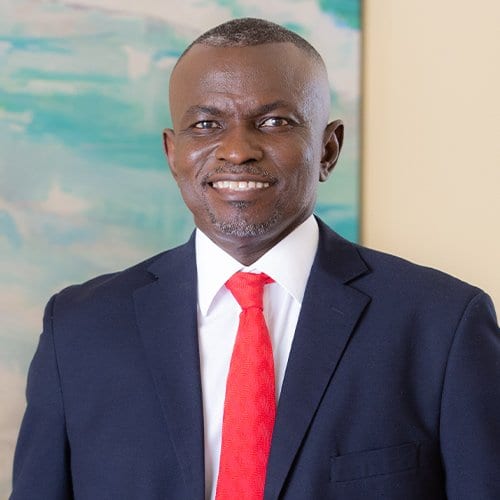
Trevor Musgrove, you are an inspiration
suntci.com (Opens in new tab) | Author: Drexwell Seymour | Published: 10/13/2026
In October 2026, CPA and commentator Drexwell Seymour praised fellow Turks and Caicos Islander Trevor Musgrove for the successful opening of his latest venture, The Retreat, a 24-room hotel in Providenciales. This development serves as a significant milestone, illustrating that local investors can overcome obstacles to become major developers within the country. Seymour notes that Trevor Musgrove’s success adds to his existing track record of local expansion. While acknowledging that access to capital remains a primary hurdle, the author argues that local entrepreneurs are already making meaningful economic contributions. Seymour suggests residents move beyond individual efforts and consider pooling resources to secure financing. He writes, "We need more partnerships, collaboration and willingness to invest in one another." This approach requires trust and accountability but could unlock opportunities that currently feel out of reach for many aspiring developers. The author hopes this project inspires a wave of local participation in tourism and real estate. By demonstrating that one can start small and reinvest, Musgrove has provided a roadmap for others. Seymour urges residents to stop observing and instead take the calculated risks necessary to own their future. He concludes that Musgrove is not only building properties but helping to build confidence among Turks and Caicos Islanders that they can successfully own and invest in their own nation, following this example set in Providenciales.

Grand Turk needs development, not decorations
suntci.com (Opens in new tab) | Author: Savitri Daniel | Published: 10/13/2026
In an opinion piece published on October 13, 2026, researcher Savitri D. Daniel critiques the government’s recent celebration of 50 years of ministerial government in Grand Turk. She argues that the island’s decorations mask decades of economic stagnation and a lack of meaningful development in the nation's capital. While the national economy is worth approximately US$1.7 billion, Daniel contends that prosperity remains concentrated in Providenciales. She notes that Grand Turk relies on cruise tourism and government roles, lacking the private sector investment needed to retain young professionals. The author suggests the decorations were a cosmetic attempt to impress visiting dignitaries, writing that “a pig in lipstick is still a pig” to describe the repairs made for the event. The author urges the PNP administration to move beyond campaign promises and implement a concrete economic development programme with specific investment targets and infrastructure goals. Instead of accepting symbolic festivities, she argues that residents should demand accountability and tangible proof that leaders are prioritizing the island's future over political pageantry.

Doing the right thing always
suntci.com (Opens in new tab) | Author: Oliver Mills | Published: 10/13/2026
Oliver Mills, a former Permanent Secretary in Education for the Turks and Caicos Islands government, argues that ethical conduct is essential for both personal well-being and societal health. Writing on October 13, 2026, he emphasizes that individuals must prioritize fair and kind actions to create a successful society. Mills, formerly a lecturer at the University of the West Indies Mona Campus, contends that success is measured by the ability to execute righteous behavior. He explains that ethical choices—defined as those that are just and fair—benefit the community while providing the individual with psychological clarity. Societal values act as a necessary compass, guiding citizens to behave in ways that avoid harm to others. By fostering a positive mindset, people can navigate complex dynamics to achieve the best outcome for the greatest number. The author posits that because everyone is interconnected, acting ethically towards others is equivalent to treating oneself with respect. This moral framework requires vigilance, as he notes that acting inappropriately makes an individual the first casualty of their own poor judgment. Mills, who also holds an M.Ed degree from Dalhousie University, concludes that citizens can ensure their actions align with what nature intended, securing positive rewards for the entire population.

Why are we feeding TCI Tourists Fish they could eat anywhere?
suntci.com (Opens in new tab) | Author: Audley Astwood | Published: 10/13/2026
An opinion piece published on October 13, 2026, questions why the Turks and Caicos Islands increasingly rely on imported fish like tilapia for tourism instead of local catches. The author argues that serving native seafood is essential to preserving the unique cultural and economic identity of these islands. The author contends that prioritizing imported commodities over local grouper, snapper, or conch costs the islands critical economic opportunities. While acknowledging that local fish can be more expensive, the commentary suggests that relying on cheaper imports undermines the domestic fishing industry. The writer calls for improvements in infrastructure and cold storage to keep local seafood competitive. The piece highlights that in January 2026, Invest Turks and Caicos launched a Fisheries Pilot Programme to support 18 fisherfolk with funding and equipment, following a Cabinet-approved $1 million investment in commercial fishing. The article argues that the goal is to make local seafood more accessible for residents and visitors, ensuring TCI does not simply mimic other destinations. By strengthening the domestic industry, the author believes the islands can avoid the homogenisation of their culinary offerings. The piece concludes that the tourism experience should reflect the character of the islands, urging a shift in perspective to treat local fish as a vital tourism asset rather than an afterthought on the menu.
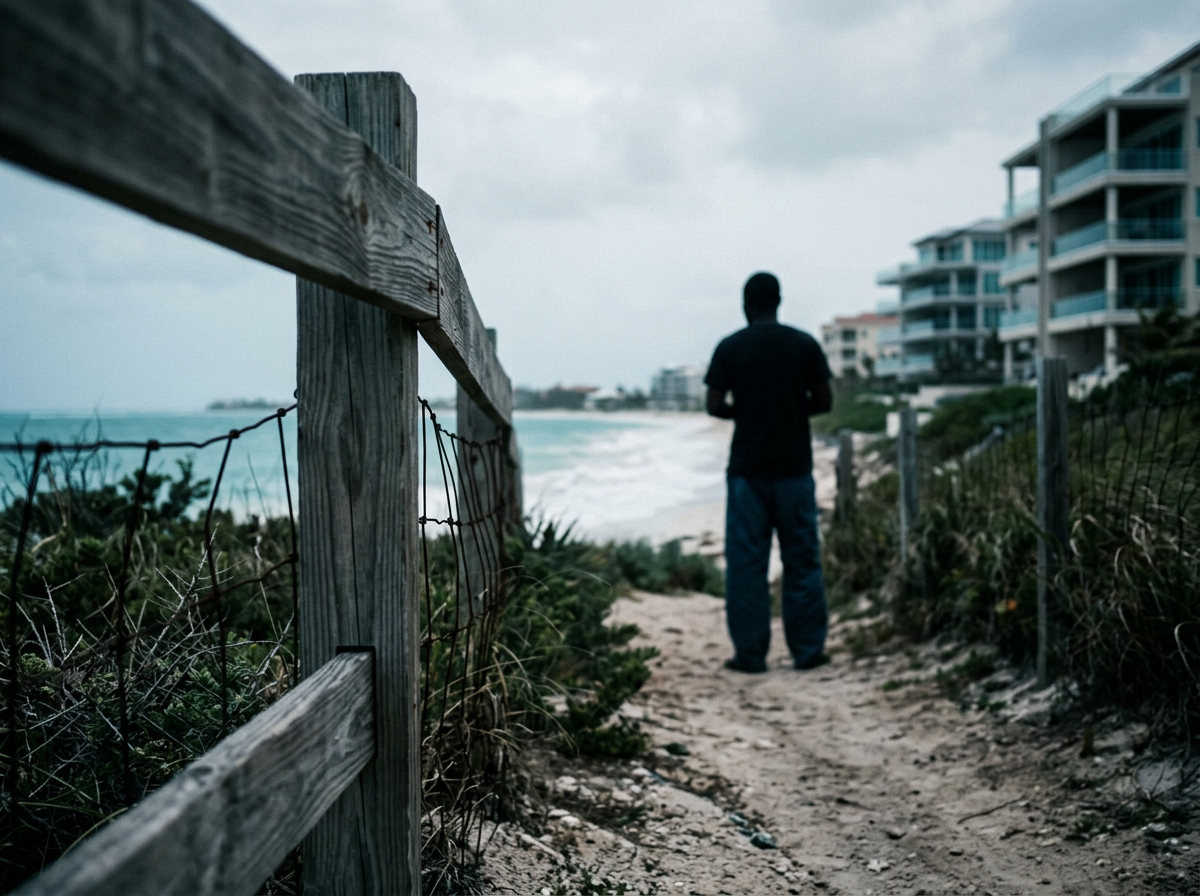
Request for transparency and public accountability regarding the proposed leasing of beach accesses in Turks and Caicos Islands especially on Providenciales
suntci.com (Opens in new tab) | Author: Staven Sinclear Rigby - Former Minister for Environment and Coastal Resources | Published: 10/13/2026
An open letter published on October 13, 2026, calls for full government transparency regarding potential long-term lease agreements for public beach accesses across the Turks and Caicos Islands. The author expresses concern that such contracts with private developers could permanently restrict public access to these critical national assets. The author argues that beach access is a vital part of the national heritage and that long-term leases effectively transfer public land to private control for generations. Specific concerns are raised regarding a potential lease adjacent to The Sands at Grace Bay, though the author notes this remains unconfirmed. The letter demands clarity on whether environmental assessments were conducted, how financial consideration is determined, and why residents were not consulted before such arrangements were proposed or finalized. The author warns that granting exclusive rights to one developer creates a legal precedent that could force the government to approve similar requests from others, potentially leading to the widespread loss of public space. The piece concludes by urging the administration to publicly disclose the identities of involved parties, the terms of any existing 99-year agreements, and the safeguards implemented to protect the rights of future generations.
October 9, 2026

Message from the President of the National Cancer Society for Breast Cancer Awareness Month 2026
www.newslinetci.com (Opens in new tab) | Author: NewslineTCI | Published: 10/9/2026
The Turks and Caicos Islands Cancer Society has marked the start of Breast Cancer Awareness Month by calling for community solidarity and proactive health management. On October 9, 2026, President Vivian E. Rigby emphasized the importance of supporting survivors, caregivers, and those currently undergoing treatment throughout the entire month. President Rigby urged women to prioritize their health by knowing their bodies, keeping regular medical appointments, and discussing screening options with their healthcare providers. She noted that early detection significantly improves treatment outcomes and provides more options for patients. The Society remains dedicated to ongoing education, advocacy, and providing compassionate support to ensure that no one faces a cancer diagnosis alone, with pink ribbons serving as a symbol of hope throughout the islands.
October 7, 2026
Who Will Protect TCI If Our Own Young People Won’t?
www.newslinetci.com (Opens in new tab) | Author: Audley astwood | Published: 10/7/2026
In an opinion piece published on October 7, 2026, Audley Astwood urges young people in the Turks and Caicos Islands to join the Royal Turks and Caicos Islands Police Force (RTCIPF). He argues that a nation must rely on its own citizens to secure its future rather than depending on external recruitment. Astwood highlights that policing provides specialized training and leadership experience, serving as a critical form of national service. He acknowledges the profession's challenges, such as difficult hours and public scrutiny, but maintains that local officers offer an essential understanding of their communities that outsiders cannot replicate. He asserts that the RTCIPF should be viewed as an honorable career, stating that "protecting TCI isn’t just a duty on a job description." The author warns that failing to recruit local youth necessitates a reliance on people from elsewhere to perform essential security roles. He challenges the younger generation to consider if they will be prepared to safeguard the territory when they eventually inherit it. This appeal serves as a call for residents to take direct responsibility for their country's protection, ensuring the nation remains secure under local leadership.
October 6, 2026

Opinion | Three Questions the Government Must Answer—And One Legal Solution We Can No Longer Avoid
www.newslinetci.com (Opens in new tab) | Author: 'Paladin' | Published: 10/6/2026
In an opinion piece published on October 6, 2026, an author challenges the government to address the disconnect between the Turks and Caicos Islands' US$3 billion development pipeline and the rising cost of living for residents. The commentary argues that current projects lack legal mechanisms to ensure economic benefits reach the local population. The author demands answers regarding the absence of a sovereign wealth fund, a public project register, and concrete cost-of-living guarantees. To bridge this gap, the piece proposes the Turks and Caicos National Prosperity Act, a legislative framework that would create an audited infrastructure fund, mandate public project reporting, require cost-of-living impact assessments for new developments, and establish a bipartisan parliamentary committee to oversee national prosperity and hold ministers accountable for project outcomes.
$25 million on professional and consultancy services
suntci.com (Opens in new tab) | Author: Drexwell Seymour | Published: 10/6/2026
In a commentary published October 6, 2026, accountant Drexwell Seymour questions the rising expenditure on professional and consultancy services within the Turks and Caicos Islands Government. Spending has surged from less than $10 million in the 2023/24 fiscal year to a projected $25.1 million for 2026/27. Seymour notes that the current projection is 44 percent higher than what was estimated just one year ago. He highlights the National Delivery Unit, which utilized consultants led by Dr. Justin Ram of Justin Ram Advisory Services, as a case where transparency regarding costs and transferred expertise remains unclear. The author argues that without detailed reporting on deliverables, it is impossible to confirm if taxpayers receive value for money. He urges the government to distinguish between local and international consultants and prioritize knowledge transfer to reduce long-term reliance on external experts. To improve accountability, Seymour proposes that the government publish an annual report on major consultancy engagements. This document should disclose contract values, project purposes, durations, and the consultant's base of operations. He concludes that transparency is essential for the public to judge whether these significant investments provide tangible benefits for the country.

Will our children have a piece of TCI to call their own?
suntci.com (Opens in new tab) | Published: 10/6/2026
As land values in the Turks and Caicos Islands soar due to international demand, residents face increasing barriers to property ownership. Researcher Savitri D. Daniel warns that without strategic policy changes, the next generation risks becoming a landless population in their own country, unable to afford rising market prices. Premier Charles Washington Misick recently cautioned Parliament against policies that could create a “generation of landless proletariat.” While tourism-driven growth brings investment, it simultaneously drives costs beyond local reach, leaving many residents reliant on Crown land. However, historical record-keeping issues have hindered effective planning. Consequently, a moratorium on new commercial Crown land allocations in Providenciales took effect on August 7, leaving 74 applications encompassing nearly 678 acres currently under government review until the inventory is completed. To preserve national assets, the government must identify and protect land designated for essential infrastructure like schools, hospitals, and housing before market prices rise further. The author argues that authorities should prioritize first-time Islander buyers and implement safeguards against rapid resale for profit. Success depends on balancing foreign investment with policies that ensure residents can still secure a stake in the nation’s prosperity by 2046, when today’s students begin entering the property market as adults.

Healthcare in TCI: A blessing we can no longer take for granted
suntci.com (Opens in new tab) | Author: Ed Forbes - Concerned citizen of Grand Turk | Published: 10/6/2026
In an opinion piece published on October 6, 2026, resident Ed Forbes argues that the Turks and Caicos Islands healthcare system faces a critical sustainability challenge. He contends that while residents currently enjoy affordable medical care through the National Health Insurance Plan, rising costs and contract disputes threaten the long-term viability of these services. Forbes notes that beneficiaries access primary care with a $10 copayment, while the government has historically budgeted more than $30 million annually for InterHealth clinical services. A significant tension exists regarding this public-private partnership, which has managed hospital facilities since 2010. While the government states that clinical costs are paid and disputes relate to contractual performance, InterHealth disagrees. Forbes warns that the system cannot assume future taxpayers will cover increasing costs indefinitely. As the local aging population increases demand for chronic-care management, the author suggests the islands must evaluate whether the current model requires evolution. He proposes that officials consider increasing copayments, expanding polyclinics to include specialized services like eye care, or investing more in preventative medicine to reduce overseas referrals. Forbes concludes that the time to address these financial realities is before the system faces a potential crisis, rather than reacting after the fact.

The politics of alternative truth
suntci.com (Opens in new tab) | Author: Oliver Mills | Published: 10/6/2026
In an opinion piece published on October 6, 2026, former Turks and Caicos Islands Permanent Secretary in Education Oliver Mills examines the concept of "alternative truth" within modern political discourse. He argues that this strategy is frequently used to manipulate public perception and secure political support rather than relying on verifiable, objective facts. Mills suggests that politicians often employ alternative truths—wild promises lacking evidence—to exploit voter weaknesses and reshape their thinking. By presenting these perspectives as equally valid to objective truth, political actors aim to gain an advantage, framing their narratives as innovative or superior interpretations of reality. He notes that this approach is intended to provide flexible, creative solutions that can sometimes lead to richer, more appropriate outcomes for complex challenges. While acknowledging that this rhetoric is often used to deceive, Mills posits that alternative truth can also function as a sophisticated tool. He contends that it allows for a broader perspective, freeing decision-making from rigid, traditionally imposed interpretations. Ultimately, the author views this political strategy as a game changer that benefits those who successfully redirect public opinion toward their chosen measures.