
Politics
October 13, 2026

Born Here, Raised Here, but Still Unable to Vote: Is this a Conundrum for TCI Electorate?
magneticmediatv.com (Opens in new tab) | Author: Deandrea Hamilton | Published: 10/13/2026
In an opinion piece published on October 13, 2026, writer Ed Forbes argues that the Turks and Caicos Islands must address a growing democratic gap. He contends that many young adults born and raised in the territory are excluded from voting because they do not hold Turks and Caicos Islander Status. Section 55 of the Turks and Caicos Islands Constitution Order 2011 dictates that only those with Islander Status can register to vote, a requirement not automatically met by birth or British Overseas Territories Citizenship. Forbes notes that while the population grew from roughly 33,500 in 2011 to a projected 52,299 in 2025, estimates suggest fewer than one in four residents currently holds the required status. He argues that many long-term residents are effectively disenfranchised, either because they lack a clear legal path to status or struggle to navigate the complex application process. Forbes urges the Government to collaborate with the Islander Status Commission and the Elections Department to review how many TCI-born adults face these barriers. With the next general election roughly two and a half years away, he emphasizes that authorities must act now to evaluate whether legislative reforms are necessary to ensure future electoral inclusion.
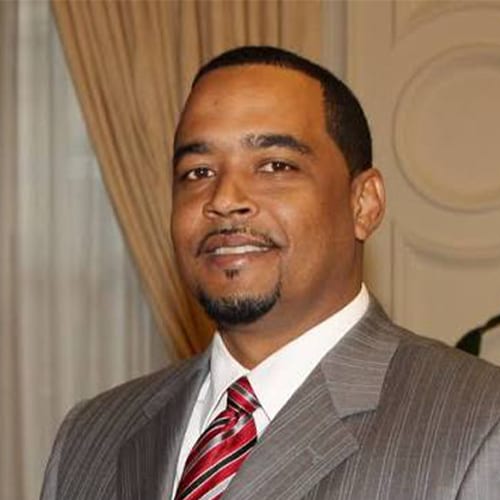
PDM Leader Douglas Parnell wants immigration, health bills delayed until 2027 for public consultation
suntci.com (Opens in new tab) | Author: Daisy Handfield | Published: 10/13/2026
People’s Democratic Movement (PDM) Leader Douglas Parnell is urging the government to delay the Immigration Bill 2026 and the Health Services Authority Bill until 2027. Parnell argues that citizens in the Turks and Caicos Islands require at least three months of public consultation, including town hall meetings, before Parliament considers these major legislative changes. Parnell claims the government has failed to disclose potential financial risks regarding the InterHealth Canada contract termination, alleging liabilities could exceed US$200 million. He also questioned spending on consultants, citing high costs for InterPath and United Kingdom advisers, and noted the National Health Insurance Board was placed under administration in early 2025. Parnell accused officials of rushing legislation without public participation, warning that this approach leaves residents feeling excluded from decisions impacting their healthcare access. The Opposition leader intends to continue challenging the proposals through parliamentary debate if the government proceeds without further review. Additionally, Parnell demanded transparency regarding three individuals currently seeking asylum, including an Iranian national who has been present for over a year. He noted that the government has a legal obligation to explain the process for these applicants, emphasizing that failing to address these concerns reinforces the perception that the administration is operating without sufficient transparency or resident input.
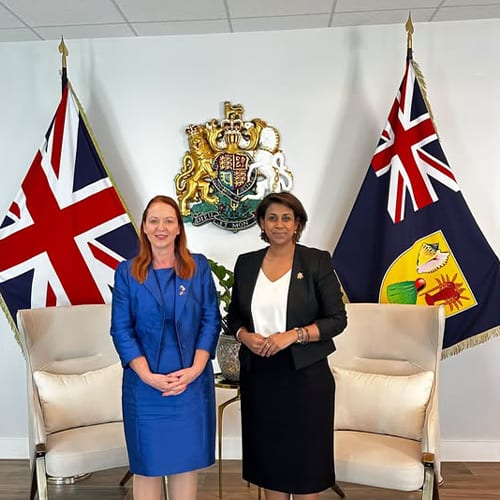
UK Deputy Speaker Judith Cummins meets Governor Dileeni Daniel-Selvaratnam during TCI visit
suntci.com (Opens in new tab) | Published: 10/13/2026
On October 13, 2026, First Deputy Speaker of the United Kingdom House of Commons Judith Cummins MP met with Her Excellency Governor Dileeni Daniel-Selvaratnam in the Turks and Caicos Islands. They discussed the 50th anniversary of ministerial government and the ongoing relationship between the two nations. Their conversation covered the development of democratic governance over the last five decades and plans for future institutional partnerships. Cummins, the Labour MP for Bradford South, joined these talks as the territory marks this significant milestone in its constitutional history.
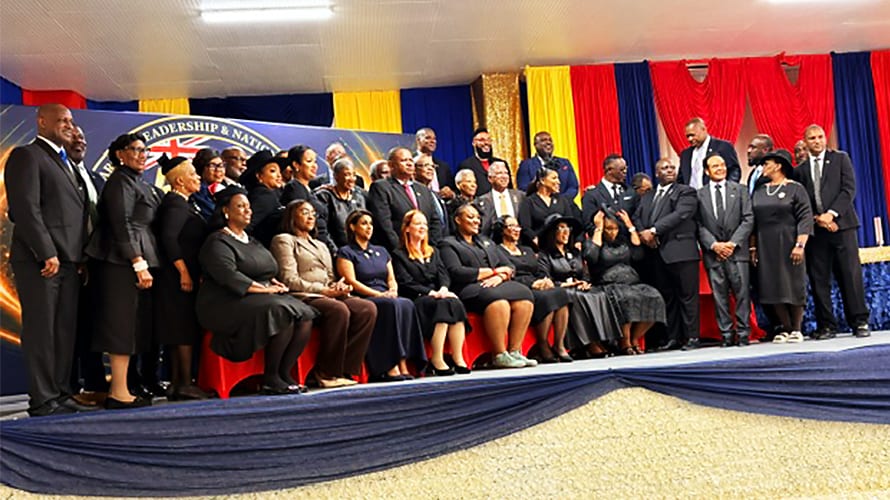
Turks and Caicos Islands marks 50 years of Ministerial Government
suntci.com (Opens in new tab) | Author: Hayden Boyce – SUN Publisher & Editor-in-Chief | Published: 10/13/2026
The Turks and Caicos Islands commemorated 50 years of ministerial government on October 8, 2026, with a series of events in Grand Turk. The day featured a church service, a special sitting of Parliament, and a ceremonial parade to honor generations of political leaders and celebrate the country's democratic history. At the N.J.S. Francis Building, Her Excellency Governor Dileeni Daniel-Selvaratnam read a message from King Charles III while visiting parliamentary representatives attended the special sitting. Officials unveiled portraits of three former premiers and four former Speakers, recognizing their contributions to the nation’s democratic institutions. The government also officially launched the Parliament website and initiated the E-Parliament system, which equips members with electronic devices for legislative business. Additionally, the building received a new nameplate formally designating it as Parliament rather than the House of Assembly. The day concluded with a cultural show in Parliament Square, following a luncheon at H. J. Robinson High School where students performed. The event emphasized themes of preservation and progress, with current and former legislators gathering for commemorative photographs. Premier Charles Washington Misick contributed to the historical record by donating his book, “Soul of a Nation,” to the Parliament library as part of the anniversary proceedings.
October 9, 2026
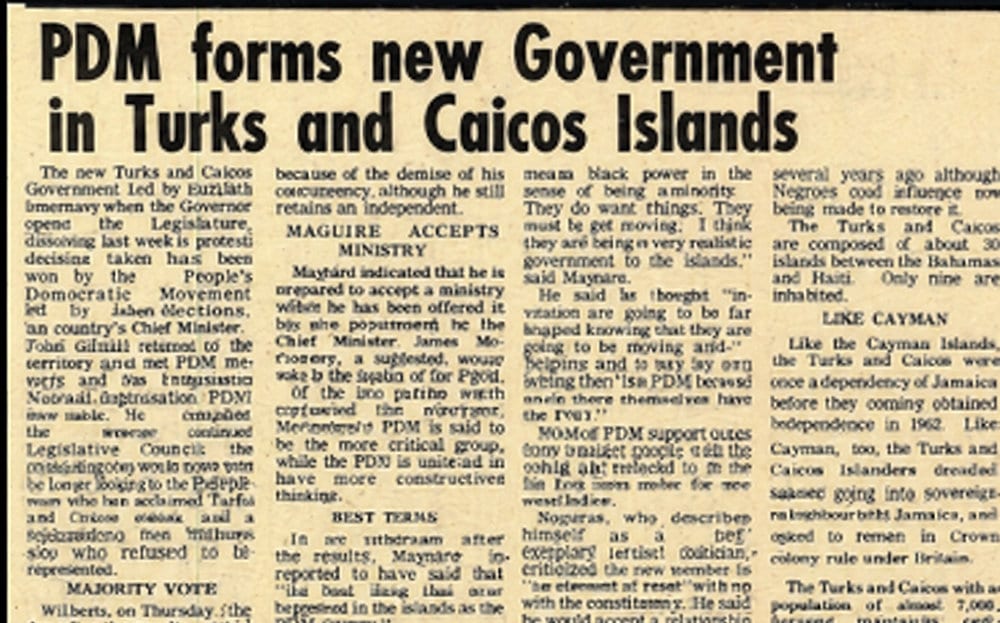
From the People’s Decision to the Formation of a Government
www.newslinetci.com (Opens in new tab) | Author: Joan Astwood Sutton | Published: 10/9/2026
On 29 September 1976, voters in the Turks and Caicos Islands participated in their first party-based general election under a new Constitution. The results left the People’s Democratic Movement with five seats, the Progressive National Organisation with four, and two Independents, requiring post-election collaboration to form the first Ministerial Government. The outcome necessitated political maneuvering to reach the required six-seat majority. On 30 September, Independent representative Daniel Williams aligned with the People’s Democratic Movement, and representative Charles William “Liam” Maguire also pledged support. This enabled J. A. G. S. McCartney to become the first Chief Minister. The ministerial team, which commenced duties on 1 October 1976, included Lewis “Louie” Edwin Astwood as Minister of Public Works, Utilities and Labour, alongside ministers overseeing health, education, and tourism. The opposition, led by Norman B. Saunders, remained a critical component of the Legislative Council. This year marks the golden anniversary of that transition, which moved the territory from electoral choice to ministerial responsibility. The formation of this government established a precedent for balancing the roles of elected ministers, the Governor, and the public service. Commemorations highlight the contributions of the two Independent representatives, whose decisions provided the necessary parliamentary balance, and underscore the broader collective effort of the first government in establishing this system.
October 6, 2026
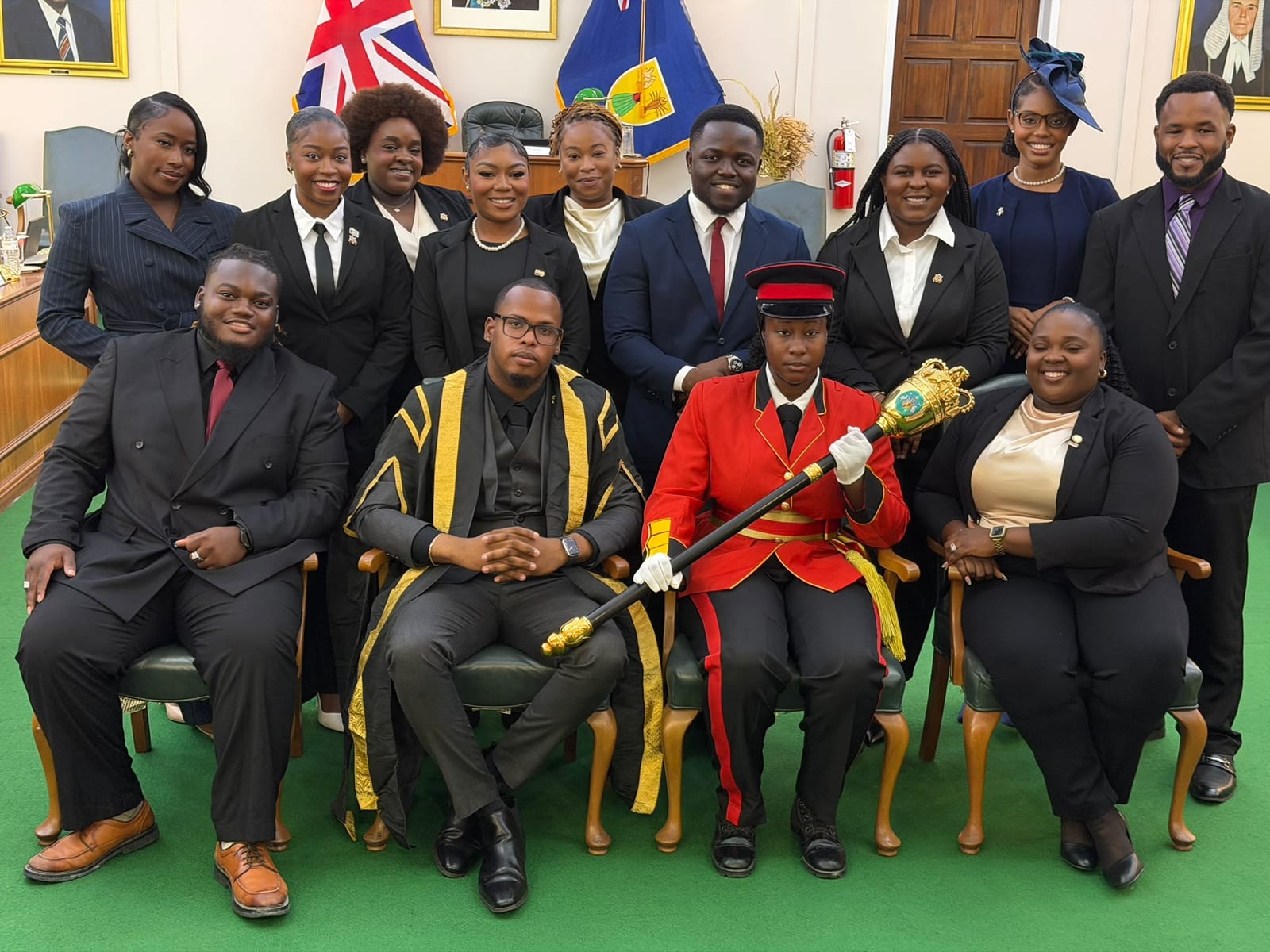
TCI Youth Discuss Local Leadership
www.rtc89fm.com (Opens in new tab) | Author: Danae Dennie | Published: 10/6/2026
On October 5, young leaders gathered in the National Youth Parliament to mark 50 years of ministerial government in the Turks and Caicos Islands. This session allowed participants to reflect on the nation's history of local leadership while considering the responsibilities facing the next generation of decision-makers. The sitting emphasized the ongoing duty to strengthen democracy and expand opportunities. It served as a reminder that the work of governance remains a continuous effort for the territory’s future leaders as they look toward the challenges ahead.
The politics of alternative truth
suntci.com (Opens in new tab) | Author: Oliver Mills | Published: 10/6/2026
In an opinion piece published on October 6, 2026, former Turks and Caicos Islands Permanent Secretary in Education Oliver Mills examines the concept of "alternative truth" within modern political discourse. He argues that this strategy is frequently used to manipulate public perception and secure political support rather than relying on verifiable, objective facts. Mills suggests that politicians often employ alternative truths—wild promises lacking evidence—to exploit voter weaknesses and reshape their thinking. By presenting these perspectives as equally valid to objective truth, political actors aim to gain an advantage, framing their narratives as innovative or superior interpretations of reality. He notes that this approach is intended to provide flexible, creative solutions that can sometimes lead to richer, more appropriate outcomes for complex challenges. While acknowledging that this rhetoric is often used to deceive, Mills posits that alternative truth can also function as a sophisticated tool. He contends that it allows for a broader perspective, freeing decision-making from rigid, traditionally imposed interpretations. Ultimately, the author views this political strategy as a game changer that benefits those who successfully redirect public opinion toward their chosen measures.
That old-time politics
suntci.com (Opens in new tab) | Author: Audley Astwood | Published: 10/6/2026
An opinion piece published on October 6, 2026, argues that political discourse in the Turks and Caicos Islands has failed to keep pace with the nation's rapid development. As the territory becomes more prosperous and internationally connected, the author contends that political strategy must shift toward national leadership to address a growing population and its complex demands. While acknowledging that scrutiny is essential, the article warns against treating every policy as a political weapon. The author urges the Opposition to explain how its specific alternative approaches would yield better results, rather than focusing on making the current administration look worse. The piece notes that a five-year political term is temporary compared to the long-term impact of national decisions, which shape the country for decades. With investors and international governments increasingly paying attention, the author argues that the standard of political conversation must rise. Future generations will judge the country on its strength rather than on political arguments. The author concludes that political advantage should not supersede problem-solving, questioning whether the TCI is being built or simply used as a battlefield for political ambition.
PDM calls for investigation into $3million police boats
suntci.com (Opens in new tab) | Published: 10/6/2026
The People’s Democratic Movement (PDM) has requested an independent investigation into the procurement and cost of two new police patrol vessels recently commissioned in the Turks and Caicos Islands. Opposition leader Edwin Astwood is demanding financial transparency regarding the US$3.09 million total expenditure for the marine assets. Leader of the Opposition Edwin Astwood argues that while his party supports strengthening the Royal Turks and Caicos Islands Police Force (RTCIPF) Marine Branch, the public requires a detailed accounting of the transaction. The PDM notes that a July 2023 United States government procurement schedule lists similar vessel models at lower prices, though they acknowledge that propulsion and custom options add costs. The Opposition is calling for the Auditor General to lead an independent procurement and value-for-money examination, supported by an independent marine surveyor, to determine if the government received fair value. The PDM is also demanding confirmation that the vessels have passed required sea trials and that trained crews and maintenance funding are in place. Astwood has issued a seven-day deadline for the administration to provide these answers and explain any outstanding work. The party insists that if the expenditure is justified and the boats are operational, the evidence must be published to demonstrate readiness for patrol duties.
October 5, 2026
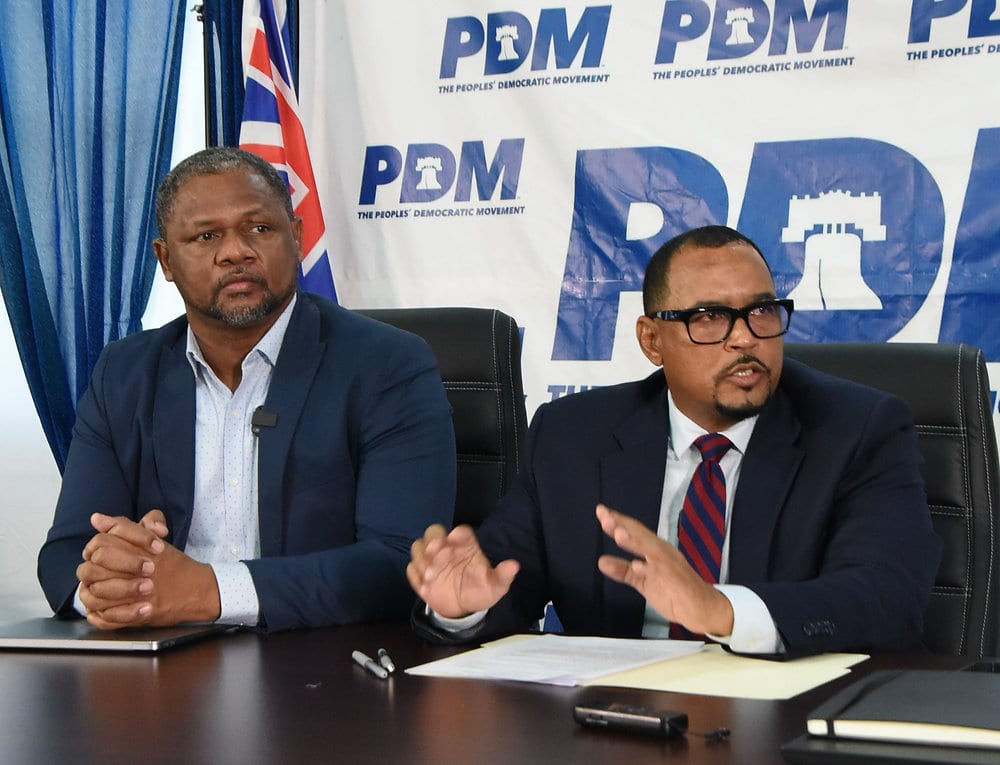
PDM Demands Town Halls Before Immigration and Healthcare Bills Are Passed
www.newslinetci.com (Opens in new tab) | Author: News Release | Published: 10/5/2026
The People’s Democratic Movement (PDM) is calling on the Misick Government to pause the final passage of the Immigration Bill 2026 and the Health Services Authority Bill. The party demands public consultations across every inhabited island in the Turks and Caicos Islands before these significant pieces of legislation proceed. Opposition Leader Hon. Edwin Astwood argues that online consultation is insufficient and that ministers must meet citizens directly to explain the proposed regulations. He stated, “Meeting one professional association is not consultation with the country.” The PDM highlighted concerns about how immigration changes will impact local employment and business, as well as the financial implications of the proposed health authority, which would operate within a national budget exceeding half a billion dollars. Astwood urged the government to avoid its pattern of passing rushed legislation that requires subsequent amendments. The PDM is requesting a structured consultation period of at least three months, extending to six months if substantial revisions are necessary. They are also calling on the Governor and the United Kingdom Government to intervene and ensure public participation, citing Article 73 of the United Nations Charter. The opposition insists that the government must publish all accompanying regulations for review and explain which public recommendations are accepted or rejected before the bills are finalized.
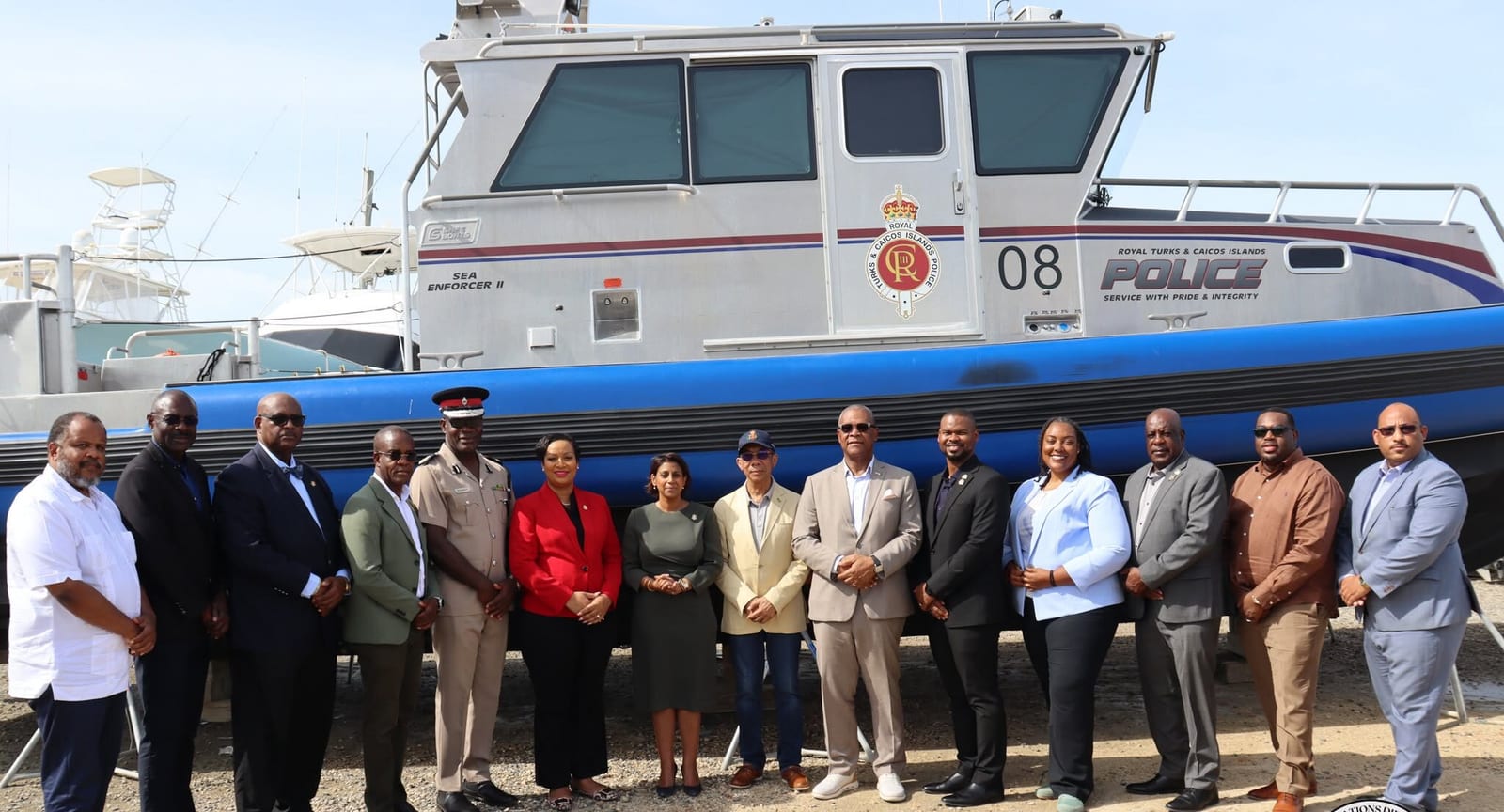
RTCIPF Has Commissioned Two New Marine Vessels
www.rtc89fm.com (Opens in new tab) | Author: Danae Dennie | Published: 10/5/2026
On October 5, 2026, the Royal Turks and Caicos Islands Police Force (RTCIPF) officially commissioned two new marine vessels, the Sea Enforcer II and Sea Protector II, to bolster maritime security. These additions aim to enhance territorial patrols, border protection, and search and rescue operations across the Turks and Caicos Islands. The ceremony featured government leadership, including Governor Dileeni Daniel Selveratnam, Premier Charles Washington Misick, and Police Commissioner Fitz Bailey, who noted the vessels support his vision for a modernized force. However, the People’s Democratic Movement (PDM) is questioning the procurement costs, which total US$3.09 million for both boats. Opposition Leader Edwin Astwood is demanding an independent examination of the supplier selection, contract details, and equipment specifications to ensure taxpayers received value for their investment. The party cites potential discrepancies compared to historical procurement figures for similar equipment. The PDM wants the Auditor General to review whether the vessels passed mandatory surveys and sea trials, and if maintenance funding and trained crews are secured. They have requested that the government provide full transparency regarding the procurement process and any outstanding work within seven days. The Opposition maintains that while it supports strengthening the Marine Branch, the government must demonstrate that these assets are safe and provide dependable service.
September 29, 2026
Opposition Calls for Finance, Health Ministers to Lose Portfolios over Hospital Dispute
www.newslinetci.com (Opens in new tab) | Author: Vivian Tyson, NewslineTCI Editor | Published: 9/29/2026
Opposition Leader Douglas Parnell has called for Premier Hon. Washington Misick and Minister of Health and Human Services Hon. Kyle Knowles to be stripped of their portfolios. Speaking at a press conference on September 22, 2026, Parnell alleged the government failed to disclose the full financial risks regarding its ongoing dispute with hospital operator InterHealth Canada. Parnell claims the government withheld payments for two financial years and misled Parliament regarding potential liabilities. He estimates the territory could face $200 million in costs, including legal fees and employment claims, though the government has not confirmed this figure. In response to the allegations, a government statement noted that commercial and contractual matters are currently subject to legal proceedings and declined to address the substance of the dispute publicly to protect its legal position. The opposition leader raised concerns about the transition of hospital operations, questioning who will employ current staff, whether salaries will be preserved, and how service contracts will be managed. Parnell stressed that the government must prepare for the handover, stating, “The hospitals must work.” While he remains willing to meet with the government to discuss the transition, he noted that previous attempts to contact the Premier by telephone were unsuccessful.
Venezuela and Trinidad leaders to visit each other’s country
suntci.com (Opens in new tab) | Published: 9/29/2026
Trinidad and Tobago Prime Minister Kamla Persad-Bissessar and acting Venezuelan President Delcy Rodríguez met on September 23, 2026, at the United Nations General Assembly to initiate a new era in bilateral relations. The two leaders agreed to conduct official state visits to each other's countries, effectively reversing a previous ban on the Prime Minister entering Venezuela. This diplomatic shift follows a tense period where the Venezuelan National Assembly declared Prime Minister Persad-Bissessar persona non grata in October 2025 due to her alleged support for United States military actions against the former administration of Nicolas Maduro. Following the recent meeting, the Venezuelan government officially indicated that the Prime Minister is now welcome. The leaders reaffirmed their commitment to cooperation across several sectors, including energy, trade, and security, aiming to foster mutual prosperity and stability throughout the Caribbean region. The specific timing for these official visits remains unconfirmed, as no dates have been set. The leaders have committed to a broad working agenda that includes disaster risk management, agriculture, tourism, and air connectivity. This agreement builds upon earlier discussions held in Caracas between the foreign ministers of both nations earlier in September 2026, which established a preliminary roadmap for deepening these ties.

Amendments made to Mortgage Corporation bill as opposition demands timeline for lending
tcweeklynews.com (Opens in new tab) | Author: Delana Isles | Published: 9/29/2026
Parliament passed the Mortgage Corporation Amendment Bill 2026 on September 23, finalizing governance adjustments for the new entity in the Turks and Caicos Islands. While the legislation clarifies board structure and regulatory relationships, officials have yet to provide a timeline for when residents can begin applying for home financing. The amendments formalize a board of seven to nine members, including ex-officio representatives from the Ministry of Finance and the Office of the Attorney General. Premier Charles W. Misick stated these changes create an institutional bridge without direct political control. Leader of the Opposition Edwin Astwood criticized the delay, noting that residents earning $3,000 to $5,000 per month are struggling with current housing costs. The Premier noted that board nominees have been referred to the Financial Services Commission for vetting, a necessary step before operations can commence. The corporation remains non-operational. Before issuing loans, the government must finalize board appointments, hire staff, develop lending products, and establish governance controls. No date exists for when applications will open, leaving the start date for lending services currently undefined.
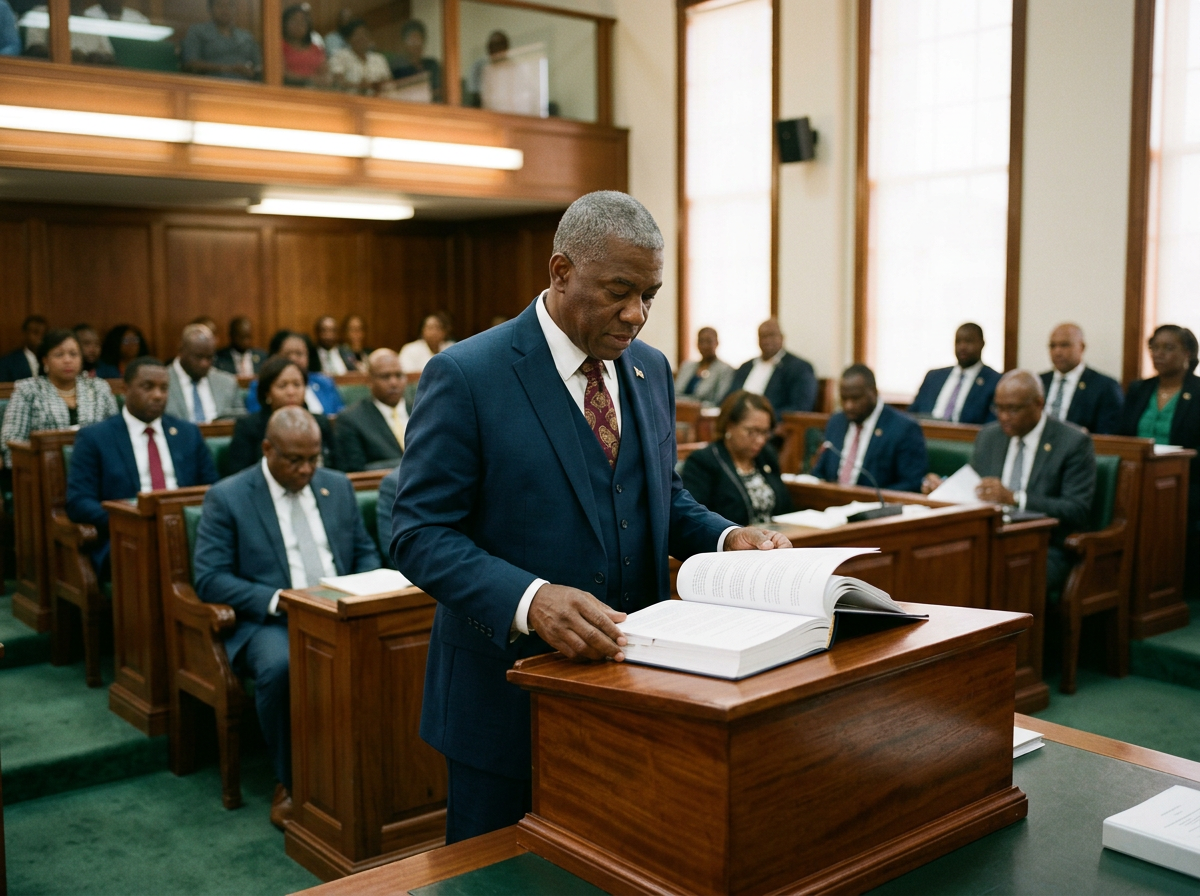
Immigration overhaul reaches Parliament after years of delays and consultation Proposed law would tighten border controls, extend the path to permanent residence and create new enforcement powers
tcweeklynews.com (Opens in new tab) | Author: Delana Isles | Published: 9/29/2026
Deputy Premier and Minister of Immigration Jamell Robinson officially tabled the Immigration Bill 2026 in Parliament on September 23, 2026. This legislation aims to overhaul the territory's border security and residency rules, setting the stage for a two-day legislative debate scheduled for October 15 and 16. The bill would replace the existing Immigration Act with a framework featuring advanced border technology, electronic travel authorizations, and a new unified border force. It introduces a points-based assessment system and expands penalties for immigration violations. Notably, the legislation increases the qualifying period for a Permanent Residence Certificate from 10 years to 15 years. Minister Robinson described the reform as a comprehensive effort, stating, "This is a big day; I hold in my hand the Immigration Bill 2026." The proposal also introduces new visa categories and stricter requirements for visa bonds. Practical application of these reforms depends on accompanying regulations, which will outline fees and enforcement standards. Opposition Leader Edwin Astwood has been urged to review the text before the upcoming sitting. These changes hold implications for employers across tourism and construction, as well as prospective residents. The government aims to improve legal certainty, though the effectiveness of the system will depend on the administrative capacity of the immigration department to enforce the new rules.