
Science
October 15, 2026
Robotics and Reading Bring Learning to Life at Ianthe Pratt Primary School
www.newslinetci.com (Opens in new tab) | Author: Vivian Tyson, NewslineTCI Editor | Published: 10/15/2026
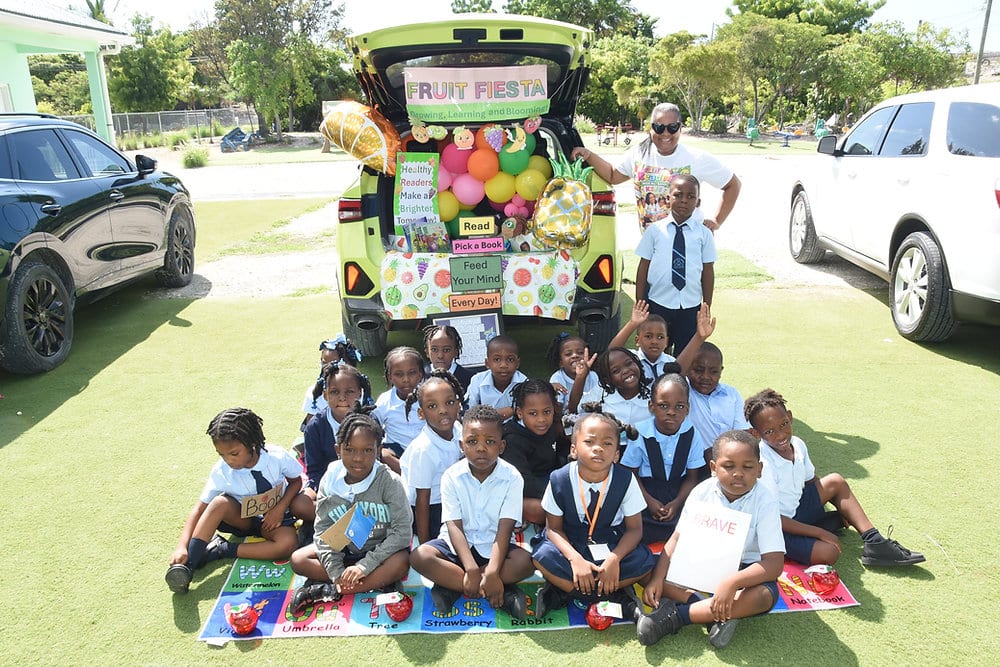
Students at Ianthe Pratt Primary School in the Bight explored science and literacy during the Week of the Young Child on October 5 and October 6. The two-day event integrated robotics, drone demonstrations, and creative reading sessions to connect classroom learning with practical, real-world discovery for young learners. Principal Neekimo King and Early Childhood Education Officer Heidi Williams organized the initiative to boost engagement in science, technology, engineering, and mathematics. Monday featured a robotics competition using Lego toys and a drone flight demonstration by the Department of Environment and Coastal Resources. On Tuesday, students participated in a “Reading a Trunk” event, where older pupils read to younger peers. Math Specialist Renae Reed, who helped coordinate the activities, stated, “We decided to give the kids an adventure.” The school intentionally selected female presenters for the STEM sessions to encourage young girls to envision themselves in careers like marine biology and civil engineering. These efforts aim to address ongoing concerns regarding literacy and numeracy performance across the Turks and Caicos Islands. By blending hands-on technology with shared reading, the school hopes to foster a lasting enthusiasm for education. This strategy encourages students to look beyond traditional expectations and consider a broader range of future professional paths.
October 13, 2026
Former Premier Dr. Rufus Ewing and Foundations donate science equipment to H.J. Robinson High School
suntci.com (Opens in new tab) | Published: 10/13/2026
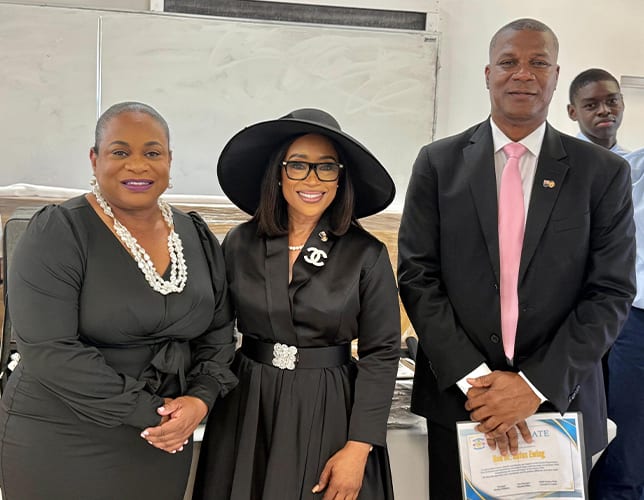
Former Premier Dr. Rufus Ewing and his wife, Dr. Dawn Perry-Ewing, donated scientific equipment to H.J. Robinson High School in the Turks and Caicos Islands. The couple officially delivered resources, including microscopes and an interactive whiteboard, on 8 October 2026 to strengthen practical Science, Technology, Engineering, and Mathematics (STEM) education. The donation, facilitated through the Youth HELP Foundation and the Hamilton Education Community Foundation, aims to bolster laboratory learning. The handover ceremony included the Honourable Rachel Taylor, Minister of Education, Youth, Sports and Culture, and school principal Mr. Berkley Williams. Dr. Ewing, a former student and laboratory technician at the school, stated, “Science education must go beyond textbooks and theory.” The new equipment will provide students with essential tools for hands-on experimentation and scientific discovery, allowing teachers to deliver more engaging practical lessons. Dr. Ewing expressed his intention to extend similar support for STEM programmes and science laboratory development to all high schools across the Turks and Caicos Islands. He indicated a desire to collaborate with the Ministry of Education and other community partners to achieve this goal. The Ministry continues to welcome such partnerships, which are intended to advance educational excellence and prepare students for future careers in science, healthcare, and technology.
October 7, 2026
Two Months On, The Bahamas Academy of Sciences Turns Fifty Years of Research into Action
magneticmediatv.com (Opens in new tab) | Author: Deandrea Hamilton | Published: 10/7/2026
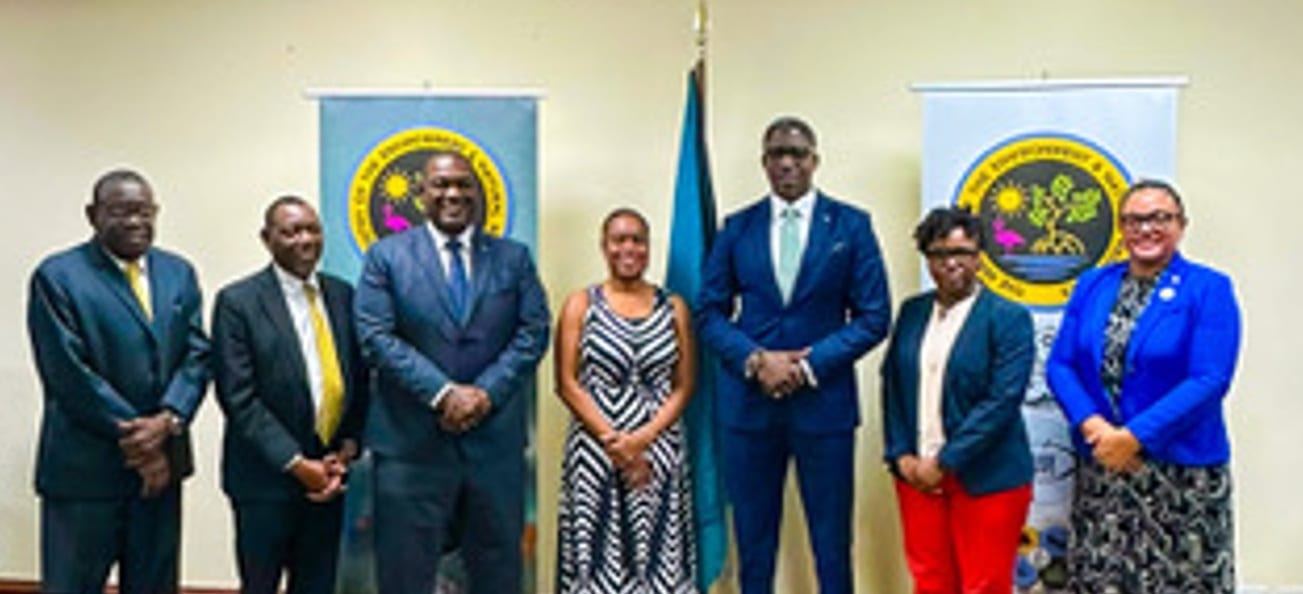
Two months after launching its public record, The Bahamas Academy of Sciences (BAS) has translated five decades of research into active policy and engagement. The organization has published its first peer-reviewed paper and delivered a strategic policy brief to the government to improve national scientific capacity. The Academy’s inaugural publication in *Gulf and Caribbean Research* analyzed 12,113 scholarly records from 1975 to 2025. The study highlights deficiencies in groundwater and renewable energy research. In September, BAS President Dr. Krista Sherman presented findings to the Hon. Zane Lightbourne, Minister of the Environment and Natural Resources. This brief proposes ten strategic priorities, including a national environmental data repository. BAS representatives also brought expertise to Climate Week, emphasizing the vulnerability of the archipelago’s islands to sea-level rise. The Academy’s public awareness campaign concludes its collaboration with local creators on 30 November. Upcoming initiatives include a classroom event for students, the launch of a video-podcast series, and a practical statistics course scheduled for early 2027.
September 28, 2026
Deep Understanding
www.timespub.tc (Opens in new tab) | Author: Kathy | Published: 9/28/2026
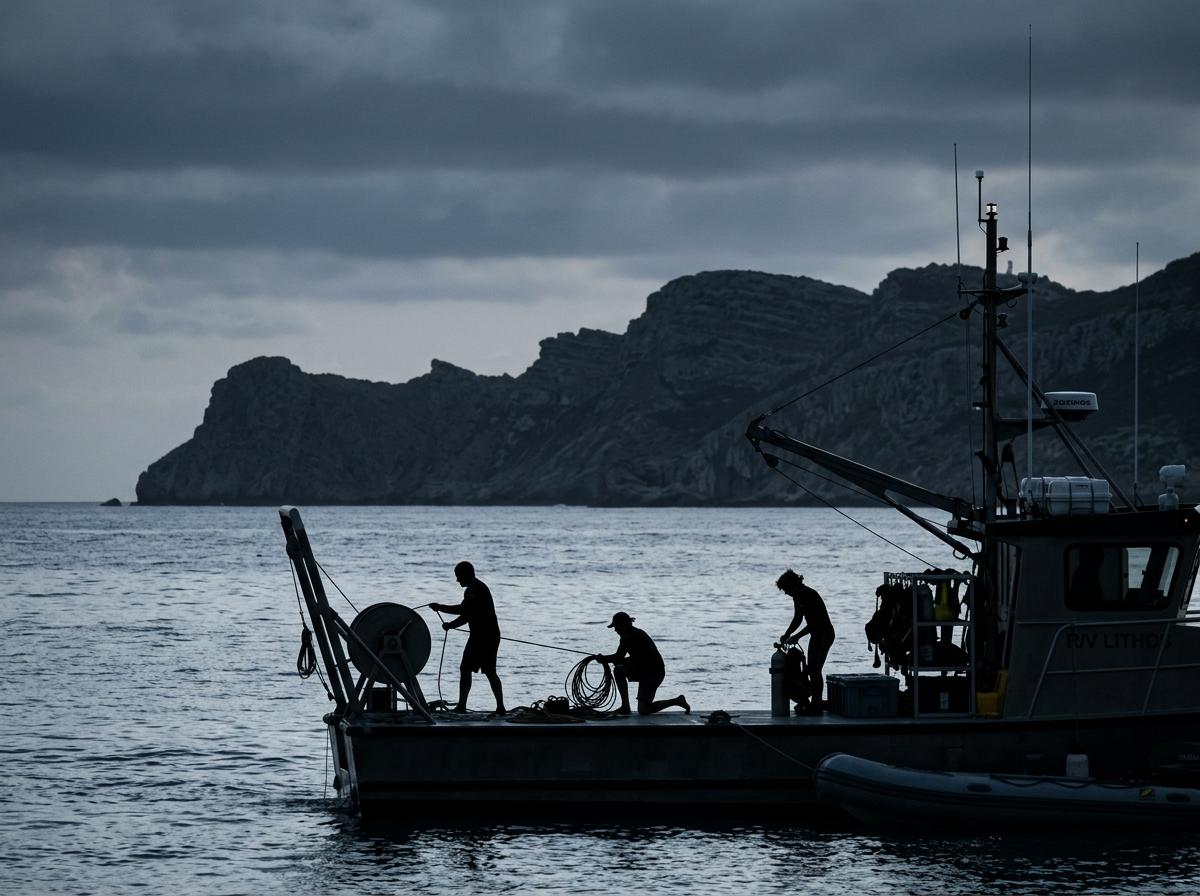
Researchers at The School for Field Studies (SFS) Center for Marine Resource Studies have spent over a decade monitoring South Caicos reefs to determine if deeper waters offer better survival chances. Their findings, released on September 28, 2026, indicate that while deeper reefs may act as vital biodiversity reservoirs, the entire ecosystem faces a concerning drop in coral cover. Since 2012, the team has tracked reef health at three depths using permanent transects. Shallow reefs are productive but vulnerable, while 20-meter sites exhibit higher diversity and stability. However, pressures like Stony Coral Tissue Loss Disease, pollution, and heat are impacting all areas. Dr. Heidi Hertler, Center Director, noted that “Deeper reefs may provide important refuges for coral diversity.” The study analyzed data collected between 2012 and 2024 to distinguish long-term trends from short-term fluctuations. SFS scientists will continue comprehensive monitoring across the reef gradient to inform conservation strategies. The Center for Marine Resource Studies welcomes public support through donations or educational tours at their South Caicos campus. For further information on these research and conservation initiatives, contact Dr. Heidi Hertler directly.
August 17, 2026

TCI represented at International AIDS Conference in Brazil
suntci.com (Opens in new tab) | Published: 8/17/2026
Dr. Camelia Clarke, Director of the Health Promotion and Advocacy Unit in the Ministry of Health and Human Services, represented the Turks and Caicos Islands at the 26th International AIDS Conference in Rio de Janeiro, Brazil, from July 26 to July 31, 2026. The gathering explored long-acting treatments, digital health tools, sustainable financing, and the elimination of mother-to-child transmission of HIV, syphilis and hepatitis B. The topic closely aligns with TCI's recent World Health Organization validation for eliminating mother-to-child transmission of HIV and hepatitis B. Minister of Health and Human Services Kyle Knowles noted that the event offered valuable insights to sustain the country's achievements and advance equitable healthcare. The Ministry stated that insights from the conference will inform local work to sustain surveillance, widen testing and integrate services, strengthening HIV prevention, testing, treatment, care and support services across the islands.
July 27, 2026
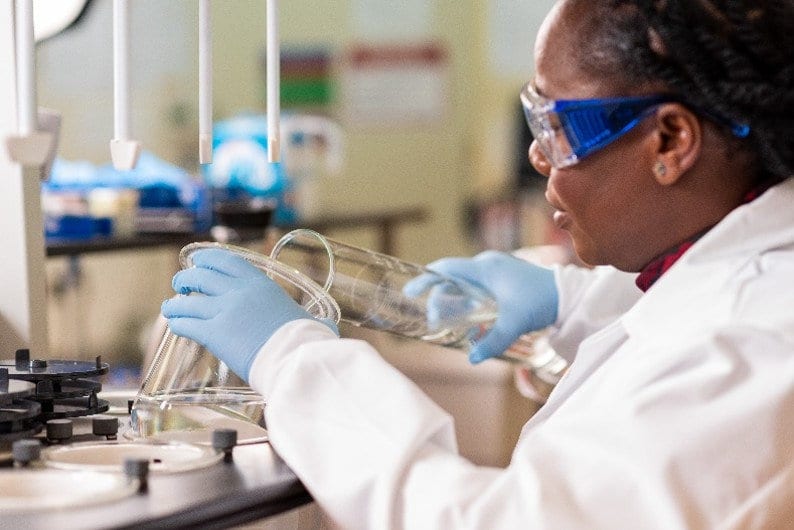
CARPHA Strengthens Medicine Safety in the Turks and Caicos Islands
www.newslinetci.com (Opens in new tab) | Author: NewslineTCI | Published: 7/27/2026
The Ministry of Health and Human Services (MoHHS) in the Turks and Caicos Islands has been testing medicines through the Caribbean Public Health Agency's post-market surveillance programme since 2021, and 20 of the 21 samples submitted — 95% — met required standards. The ministry says the results reflect the quality of medicines entering the TCI market. The TCI's national pharmacovigilance programme, the Turks and Caicos Islands Pharmacovigilance Programme (TPP), began in 2019 under the National Pharmaceutical Policy. In 2021 the ministry partnered with the Caribbean Public Health Agency Medicines Quality Control and Surveillance Department (CARPHA MQCSD), submitting its first sample for testing on July 29, 2021 and receiving its first certificate of analysis on November 11, 2021. Samples include antihypertensives, an antidiabetic, an analgesic and a corticosteroid, rising from 2 samples in 2021 to 15 in 2025. The ministry has issued media releases to raise awareness, and growing adverse drug reaction reports show the programme gaining traction. The MoHHS uses an Adverse Drug Reaction Reporting Form to gather reports of suspected reactions and substandard or falsified medicines, guiding which medicines warrant testing, and remains committed to building the legislative framework to keep medicine testing permanent for residents.
June 30, 2026
One Backyard at a Time
www.timespub.tc (Opens in new tab) | Author: Kathy | Published: 6/30/2026
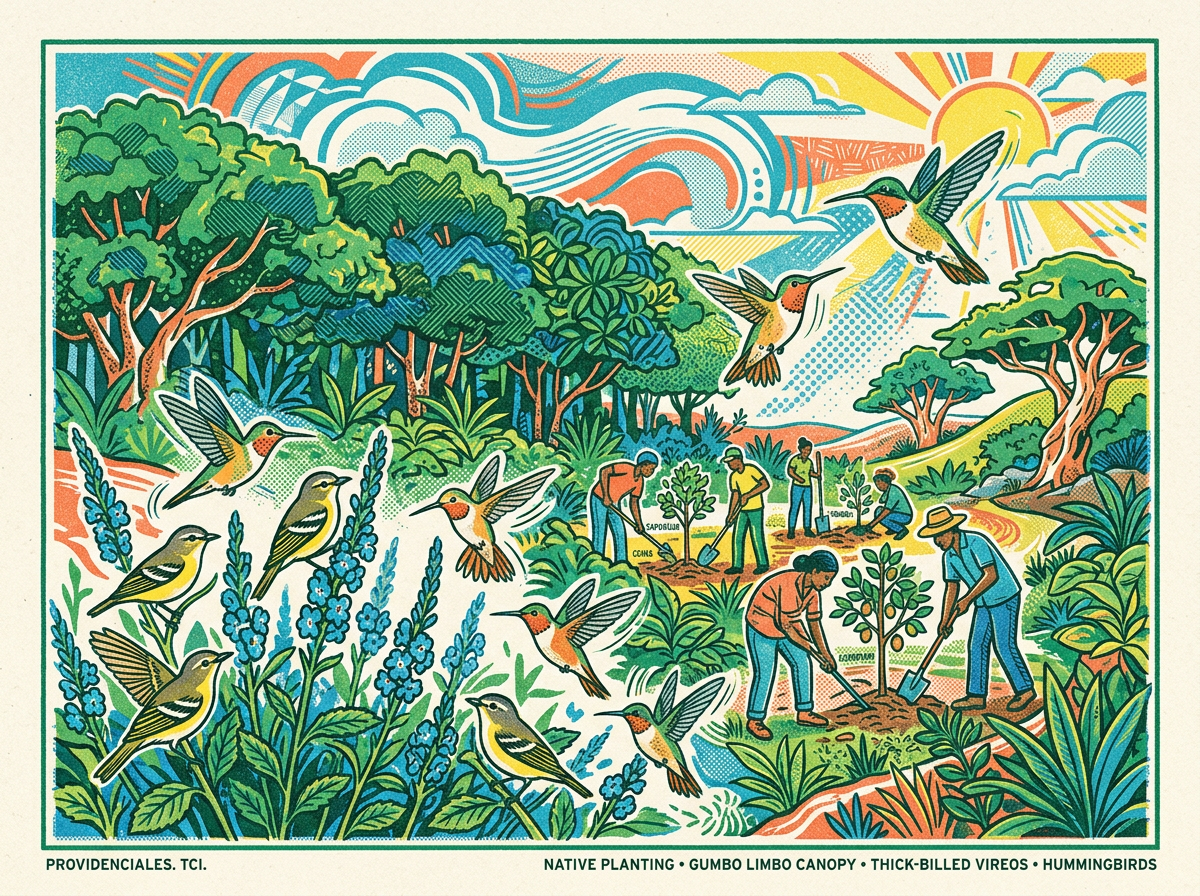
In a commentary published on June 30, 2026, environmental researcher Dr. Kathleen McNary urged Turks and Caicos Islands residents to turn private backyards into conservation refuges to protect native bird species from habitat clearance and chemical pesticides. Unlike most countries, the Turks and Caicos Islands have not banned dangerous pesticides known as persistent organic pollutants. McNary notes that birds accelerate environmental recovery by five to eight times through seed dispersal and pollination. However, local pigeon and dove populations have suffered significant declines because property owners routinely clear Poisonwood trees, which provide vital water and food through their fruit, to prevent allergic skin reactions. To sustain wildlife through local droughts, McNary advises homeowners to set out shallow blue or turquoise ceramic water bowls, changing the water daily to prevent disease. Property owners developing land should avoid toxic chemicals, keep plant clearance to the absolute minimum, and plant native species such as Gumbo Limbo, Strong Back, and Blue Rat Tail to support endemic and regional birds.
Now You See Them, Now You Don’t
www.timespub.tc (Opens in new tab) | Author: Kathy | Published: 6/30/2026
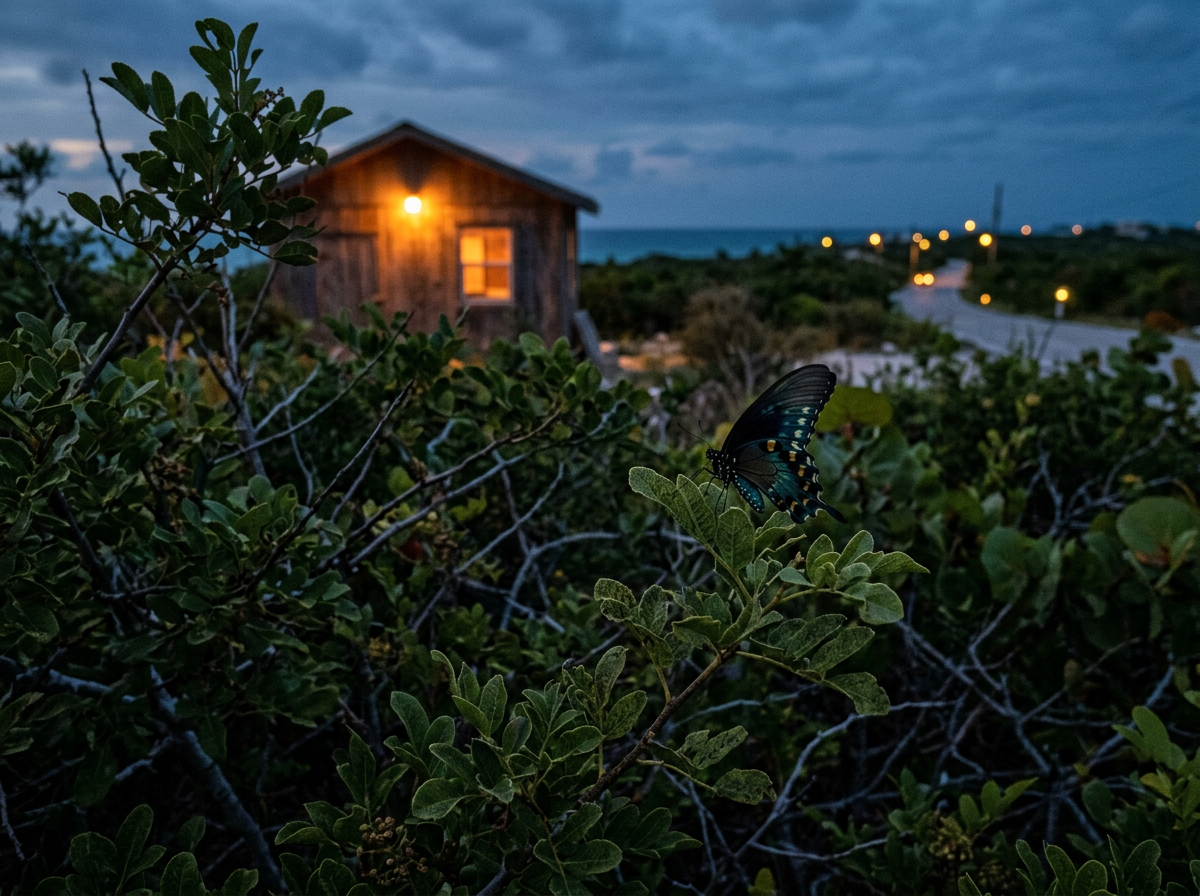
The Bahamian Swallowtail, a large butterfly with a wingspan reaching between 3 and 5 inches, is restricted within the Turks & Caicos to the Caicos Islands because its caterpillars depend on citrus family host plants. Writing in an educational feature, naturalist Bill Rhodes explains that the butterfly produces three distinct broods each year, matching seasonal plant growth. The spring brood emerges from March to May, followed by a prolific summer brood from June to August and an autumn brood from September to November. Caterpillars feed on plants including native wild lime and torchwood, defending themselves from birds and lizards by mimicking bird droppings and extruding a smelly, forked organ. Pupae from the autumn generation enter diapause to delay development through the dry winter until the following spring. While the species is globally secure, its status in the TCI requires ongoing monitoring because habitat loss from coastal development and the clearing of native scrub threaten host plants, making torchwood conservation and native landscaping vital for its survival.
Cleveland Clinic Completes Its First Robotic Lung Transplant in US
magneticmediatv.com (Opens in new tab) | Author: Deandrea Hamilton | Published: 6/30/2026
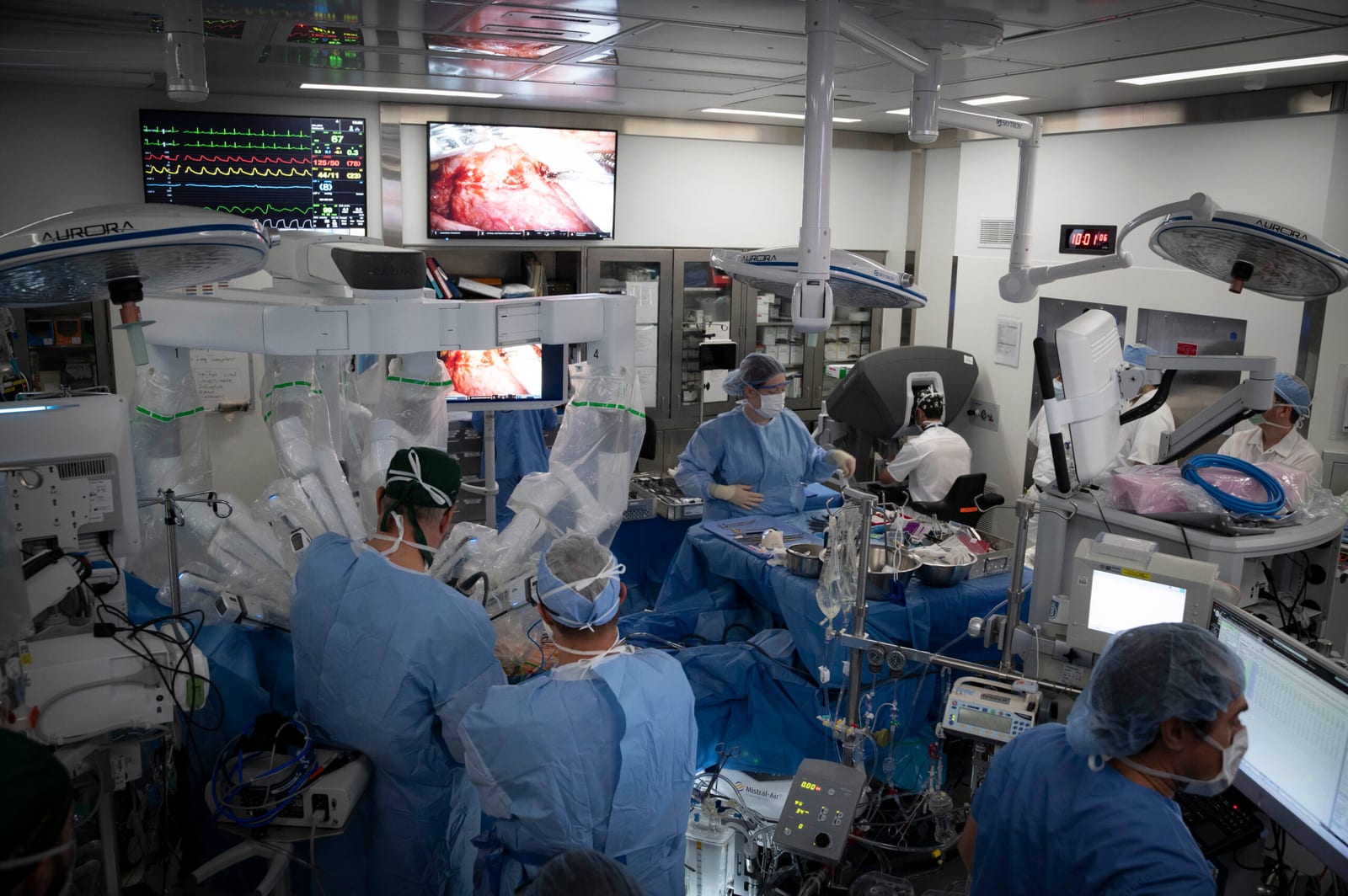
Cleveland Clinic surgeons completed the health system's first robotic lung transplant in the United States in May 2026, a procedure performed on a man in his 70s with pulmonary fibrosis. The clinic is one of only a handful of centres worldwide offering this surgical approach and the first in Ohio to do so. The single lung transplant was led by Gregory Jones, MD, a thoracic surgeon at Cleveland Clinic's Heart Vascular and Thoracic Institute, with Kenneth McCurry, MD, surgical director of lung transplantation, on the team. Unlike traditional lung transplants, which require dividing the breastbone or ribs and often cause significant pain, the robotic approach uses small incisions, robotic instruments and 3D visualisation, and is designed to reduce pain, shorten hospital stays and speed recovery. The patient was discharged and is recovering well. Dr Jones called the milestone "an important step forward in how we approach lung transplantation," offering another option for patients who may benefit from minimally invasive surgery. Cleveland Clinic's Lung Transplant Program has performed more than 2,500 transplants since 1990, including 146 lung transplants in 2025, and a team at Cleveland Clinic Abu Dhabi completed the enterprise's first robotic lung transplant — the first of its kind in the Gulf region — last year.
June 8, 2026
Report warns offshore oil exploration could endanger Jamaica’s marine ecosystems
suntci.com (Opens in new tab) | Published: 6/8/2026
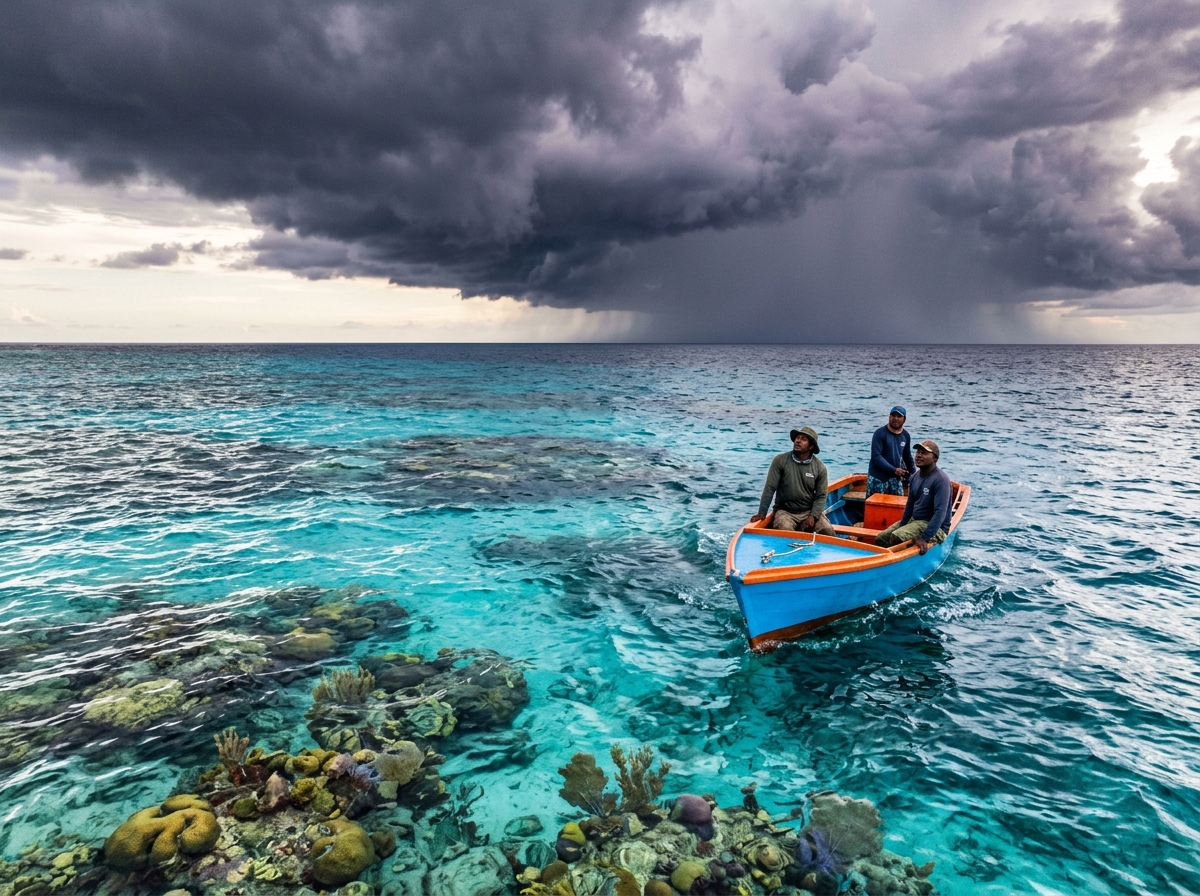
A report released on June 8, 2026, warns that offshore oil and gas exploration in Jamaica’s Walton-Morant block threatens key marine ecosystems across the Caribbean, including areas near regional neighbours such as the Turks and Caicos Islands. Environmental research organisation Earth Insight produced the study alongside the Jamaica Environment Trust (JET) and 10 other civil society groups. Their geospatial analysis found the exploration zone intersects with approximately 99 per cent of Jamaica’s south coast coral reefs and 97 per cent of its seagrass habitats. The project's mapped risk area covers roughly 11,070 square kilometres of ecologically significant marine waters, representing nearly 18 per cent of Jamaica’s most vital marine habitats. JET Chief Executive Officer Dr. Theresa Rodriguez-Moodie warned that Jamaica's waters face strain from climate change, pollution and overfishing, urging officials to protect ocean resources. The authors published the findings ahead of the Our Ocean Conference, scheduled for June 16–18, 2026, in Mombasa, Kenya. The report calls on policymakers to prioritise ocean conservation and alternative energy models over offshore fossil fuel projects.
May 4, 2026

A DAY IN THE LIFE OF A STRESSED NERVOUS SYSTEM
www.newslinetci.com (Opens in new tab) | Author: Monica Uttamchandani | Published: 5/4/2026
In an advice column published in May 2026, certified Holistic Health Coach Monica Uttamchandani explained how routine morning habits leave residents in the Turks and Caicos Islands feeling exhausted. She noted that chronic stress builds through constant stimulation and lack of recovery rather than major emergencies. Skipping breakfast, relying on coffee, and checking phones immediately upon waking force the body to run on cortisol, triggering anxiety, brain fog, and poor sleep. Uttamchandani advised interrupting this cycle by eating early and adequately, taking pauses, lowering evening stimulation, and keeping predictable routines. Residents can find further guidance on Instagram at @balancedbymonica or consult with Uttamchandani in person at The Elephant Rooms in Salt Mills, Providenciales.
April 27, 2026

IS IT REALLY HORMONES OR IS IT BLOOD SUGAR?
www.newslinetci.com (Opens in new tab) | Author: Monica Uttamchandani | Published: 4/27/2026
In an advisory published on 27 April 2026, certified Holistic Health Coach Monica Uttamchandani explained that metabolic swings, rather than primary endocrine problems, frequently trigger symptoms like fatigue, weight gain, and mood changes for residents in the Turks and Caicos Islands. Uttamchandani noted that rapid glucose fluctuations prompt the body to release cortisol, which subsequently disrupts progesterone, estrogen, and thyroid hormones. This pattern frequently stems from skipping breakfast, drinking coffee on an empty stomach, and experiencing intense evening hunger cravings. To balance blood sugar and lower cortisol, Uttamchandani advises eating regular meals, adding protein such as eggs or yoghurt to breakfast, and pairing carbohydrates with fats and fibre. She provides additional education via @balancedbymonica on Instagram and conducts in-person consultations at The Elephant Rooms in Salt Mills, Providenciales.
April 20, 2026

What Actually Happens In Your Body Before a Diagnosis
www.newslinetci.com (Opens in new tab) | Author: Monica Uttamchandani | Published: 4/20/2026
In a health column published on 20 April 2026, certified Holistic Health Coach Monica Uttamchandani explained how chronic conditions like diabetes and hormonal disorders develop quietly long before a clinical diagnosis. She noted that early warning signs often get dismissed as stress or ageing in the Turks and Caicos Islands. These early indicators include declining sleep quality, unpredictable digestion, low energy, and intense cravings, which stem from a gradual loss of metabolic flexibility. Skipping daytime meals and relying on caffeine causes blood sugar to drop and cortisol to spike, pushing the body into survival mode and increasing long-term risks of chronic inflammation and insulin resistance. Uttamchandani advises adopting daily rhythm through consistent meals, regular sleep schedules, and physical stress reducers like walking or breathwork to naturally restore balance. Residents seeking in-person consultations can visit her at The Elephant Rooms in Salt Mills, Providenciales, or find educational guidance on Instagram at @balancedbymonica.
April 13, 2026
Creatures from the Black Lagoon
www.timespub.tc (Opens in new tab) | Author: Kathy | Published: 4/13/2026
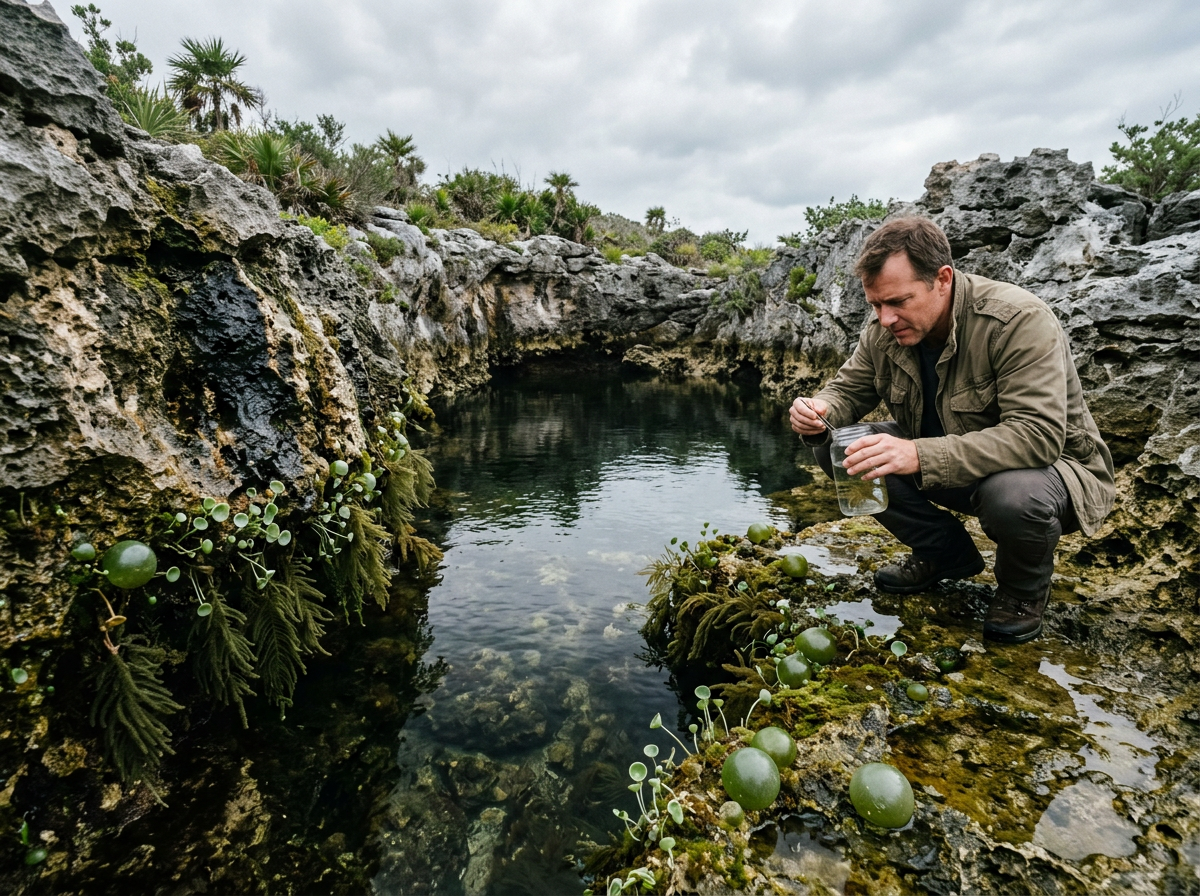
Anchialine ponds across the Turks & Caicos Islands shelter massive single-celled algae that thrive in the islands' porous limestone environments. Natural history researcher Dr. Eric Cole documented how rising sea levels from melting Late Pleistocene glaciers created these inland black lagoons, forming natural sanctuaries where single cells grow into remarkably large structures. Several species flourish in these inland waters, protected from ocean surges and storms. Fronds of Batophora oerstedii, known as Fuzzy Finger algae, each consist of a single cell that reproduces sexually by releasing swimming gametes from beaded fronds. The related Mermaid's Wineglass, or Acetabularia, also contains a single nucleus and grows three to four inches tall. Meanwhile, macro-algae in the genus Caulerpa form multi-nucleated hedges over a meter high, representing the largest single cells on Earth alongside Valonia ventricosa, commonly known as bubble algae or sailor's eyeballs.

Polka-dotopus
www.timespub.tc (Opens in new tab) | Author: Kathy | Published: 4/13/2026
Marine researchers based in the Turks & Caicos Islands have cataloged the intricate defensive displays and hunting tactics of the sand octopus, commonly nicknamed the polka-dotopus. The nocturnal species is one of at least eight octopus varieties living in the territory's coastal waters. Working from the School for Field Studies Center for Marine Resource Studies on South Caicos, student teams led by Associate Professor of Marine Ecology Dr. C.E. O’Brien recorded hours of night footage between 2021 and 2024. Former student Emily Lekas and Dr. O’Brien built an ethogram analyzing the animal's movements frame by frame. They identified 11 behaviors, 10 postures, three skin textures, and six skin patterns split into 16 sub-patterns. To intimidate predators, the creature flashes stark white dots against a brick-red body, while other postures mimic floating algae or fish. Dr. O’Brien’s team is now investigating the relationships between the sand octopus's skin patterning, behavior, and seafloor substrate to better understand how the animals make decisions in complex marine environments.