
Agriculture
October 14, 2026
World food prices hit nearly four-year high in September
suntci.com (Opens in new tab) | Published: 10/14/2026
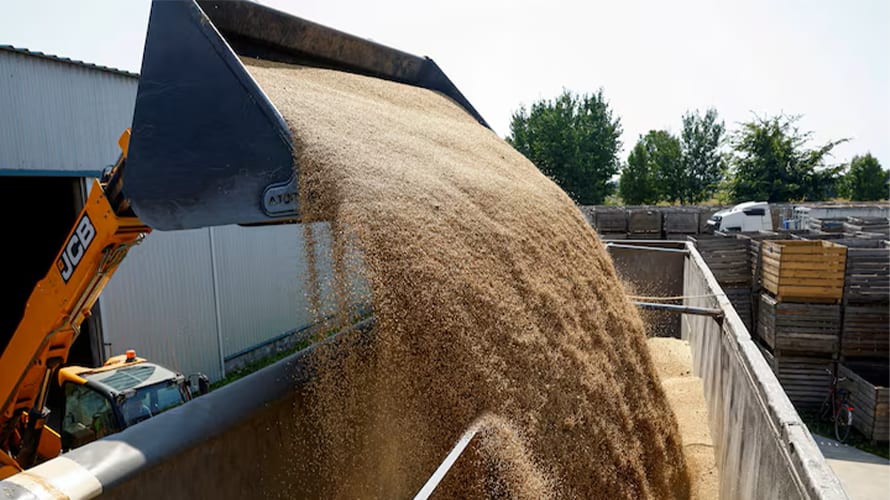
Global food prices reached their highest point in nearly four years during September due to trade disruptions and severe weather. The United Nations Food and Agriculture Organization reported that its price index averaged 136.0 points for the month, signaling potential cost increases for import-dependent nations like the Turks and Caicos Islands. Sharp spikes in sugar and cereal costs drove the rise, while vegetable oil prices also saw slight gains. FAO Chief Economist Maximo Torero warned that these pressures will "soon pass through to consumer food prices" in countries reliant on imported goods. Despite these increases, global cereal production remains steady at 2.979 billion metric tonnes, which would mark the second-largest crop on record.
October 7, 2026
CARICOM Food Push Could Benefit Import-Dependent TCI
www.newslinetci.com (Opens in new tab) | Author: Vivian Tyson, NewslineTCI Editor | Published: 10/7/2026
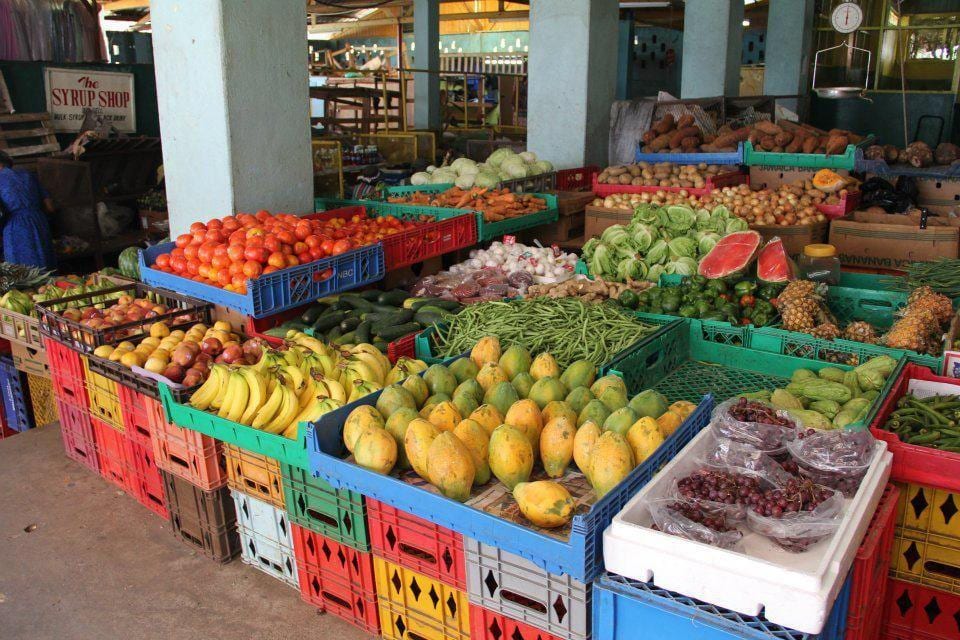
The Turks and Caicos Islands, which imports roughly 90 per cent of its food, could benefit from a regional initiative designed to boost Caribbean agricultural production and trade. The CARICOM Vision 25 by 2025+5 program aims to reduce reliance on overseas supplies while fostering economic growth and regional food security. Speaking at the 20th Caribbean Week of Agriculture in Jamaica, which concluded on October 2, 2026, CARICOM Assistant Secretary-General Dr Wendell Samuel reported that regional food production increased by approximately 24 per cent between 2022 and 2024. This growth follows investments in infrastructure like cold storage, renewable energy, and climate-smart technologies. Dr Samuel noted that the region’s food import bill reached approximately US$13.7 billion between 2018 and 2020, accounting for about 15 per cent of the regional gross domestic product. He said the initiative is now delivering “tangible results across the community.” The initiative has been extended to 2030 with a focus on expanding regional trade, attracting investment, and improving nutrition. Dr Samuel emphasized that achieving these goals requires participation from farmers, fishers, and private-sector investors alongside governments. For the TCI, the long-term impact depends on whether increased regional output translates into accessible supplies and strengthened trade relationships, potentially shielding the islands from external supply chain disruptions.
September 28, 2026

Buried “Treasure”
www.timespub.tc (Opens in new tab) | Author: Kathy | Published: 9/28/2026
John Reynolds, an Irish immigrant who settled in the Turks and Caicos Islands, spent the late 19th century mining bat guano from East Caicos caves. He developed a complex operation, including a 1.5-mile tramway system, to export the fertilizer to Jamaican sugar cane plantations until his death in 1890. Reynolds mined three primary caves, including Edison’s Cathedral Cave. Although the market for guano peaked in 1885, he continued operations until his family leased the property to the East Caicos Company, Ltd. In August 1890, Commissioner Henry Jackson reported 200 tons of guano awaiting shipment, though the resource has since vanished, likely utilized by subsequent sisal farming efforts.
August 25, 2026
Lobster season opens with 35,000-pound three-day haul
suntci.com (Opens in new tab) | Published: 8/25/2026
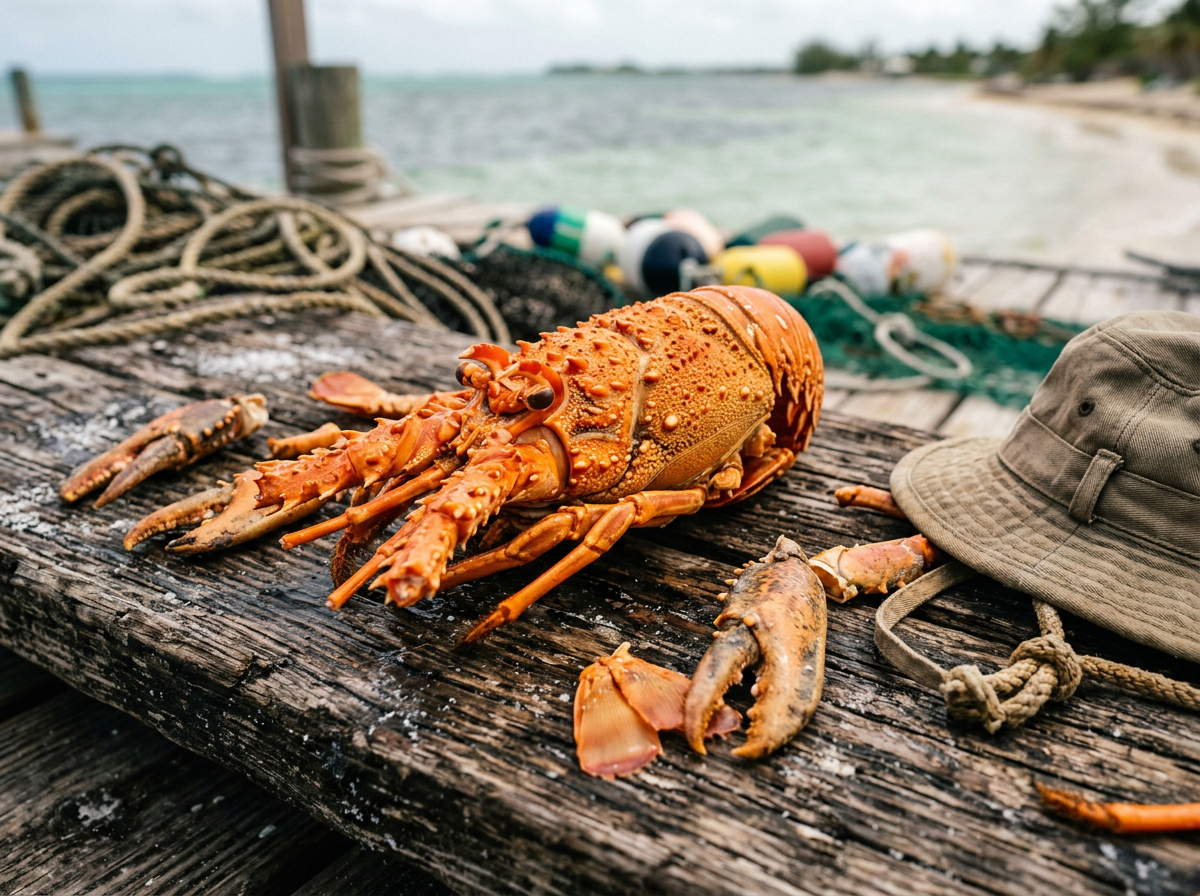
Fishers landed 35,384.4 pounds of spiny lobster across the Turks and Caicos Islands during the first three days of the 2026–2027 season, despite rough weather. According to figures from the Department of Fisheries and Marine Resources Management (DFMRM), South Caicos accounted for nearly three-quarters of the haul between Saturday, August 1 and Monday, August 3, bringing in 25,681 pounds. Fishers on Providenciales landed 8,488 pounds, while Grand Turk recorded 1,215.4 pounds. Opening day produced the highest volume at 20,225.4 pounds, led by 37 vessels in South Caicos averaging roughly 415 pounds each. Officers from the DFMRM and the Department of Environment and Coastal Resources monitored docks across the three islands, seizing a small fraction of illegal product on Providenciales that included 32 undersized and 15 moulted crawfish on Sunday, followed by 13 pounds of undersized and nine pounds of moulted crawfish on Monday. The commercial season runs until March 31, 2027, supported by 66 commercial fishers, 37 commercial vessels, and 27 foreign fishing assistants who secured licences from the DFMRM.
July 27, 2026
Lobster Season to Commence on 1 August 2026
www.newslinetci.com (Opens in new tab) | Author: NewslineTCI | Published: 7/27/2026
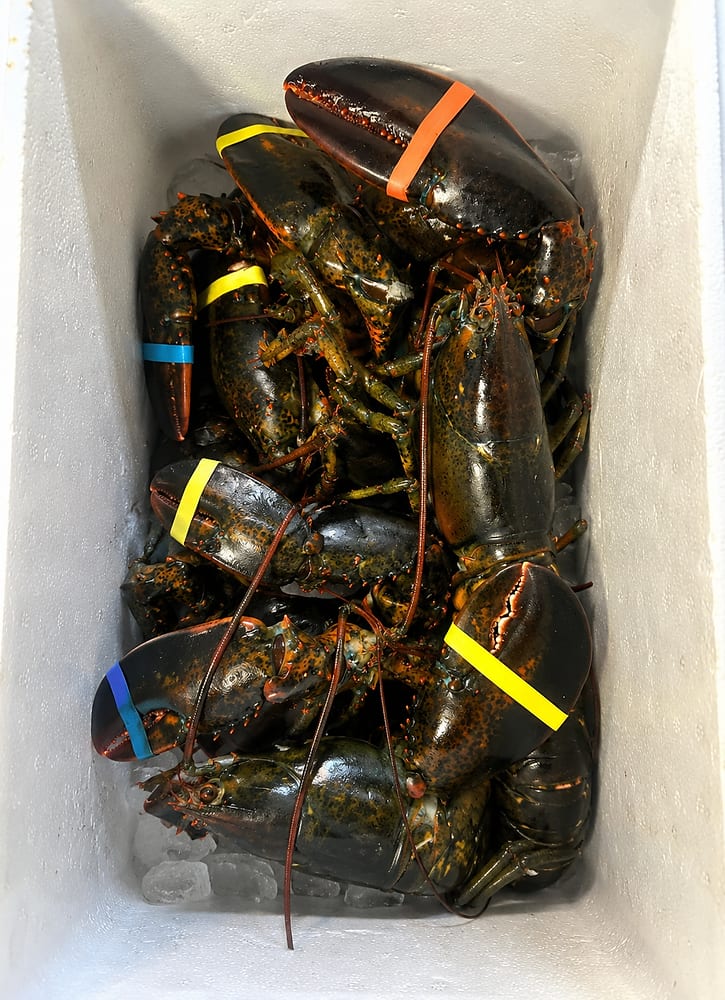
Lobster season opens in the Turks and Caicos Islands on Saturday, 1 August 2026 and runs through 31 March 2027. The Department of Fisheries and Marine Resources Management (FMRM) is reminding fishers, restaurants and the public of the rules that take effect with the opening. Under Section 15 of the Fisheries Protection Ordinance, as amended, whole crawfish must measure at least 3.25 inches along the back shell, or weigh 5 ounces as a tail. Egg-bearing, moulting or soft-shelled, and "tar-spotted" crawfish cannot be taken, and crawfish must be landed whole and unharmed. Violations can be reported to the FMRM at 338 4177 or fisheries@gov.tc.

Lobster season to commence on August 1, 2026
suntci.com (Opens in new tab) | Published: 7/27/2026
The Department of Fisheries and Marine Resources Management (FMRM) has reminded fishers, restaurants and the public that Lobster Season opens on Saturday, 1 August 2026 and runs through 31 March 2027. Fishers must follow the crawfish rules under Section 15 of the Fisheries Protection Ordinance (Ordinance 5 of 1941), as amended. The rules set a minimum whole length of 3.25 inches from the groove between the horns above the eyes to the rear edge of the back shell, or a minimum tail weight of 5 ounces when separated. Fishers may not possess egg-bearing crawfish or remove their eggs, may not take soft-shelled or "tar-spotted" crawfish, and must land crawfish whole and unharmed. Violations can be reported to the FMRM at 338 4177 or fisheries@gov.tc.
July 7, 2026
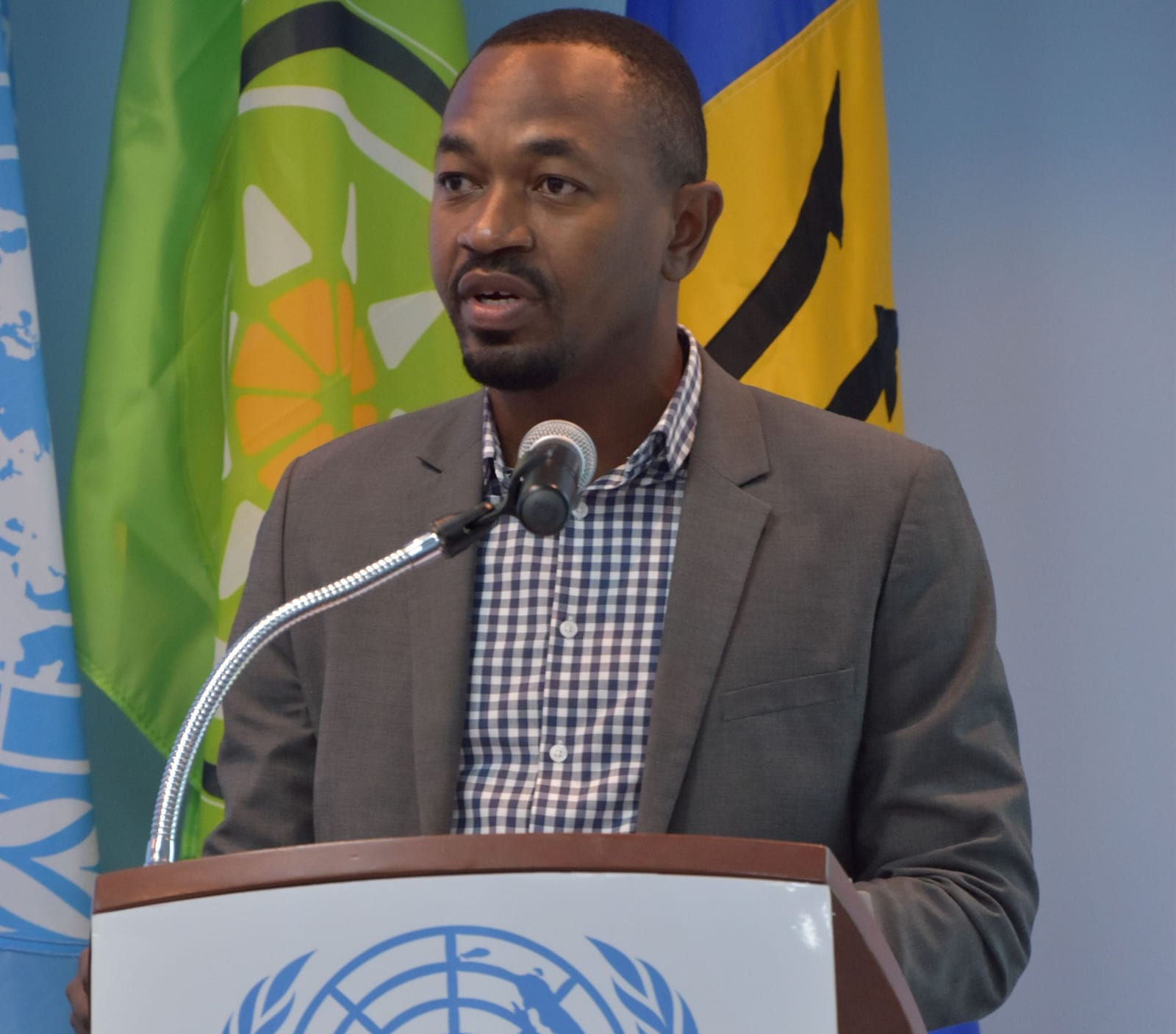
From Pathways to Investment: Tackling the US $6 Billion Food Challenge for the Caribbean
magneticmediatv.com (Opens in new tab) | Author: Deandrea Hamilton | Published: 7/7/2026
Kenroy Roach, Head of the UN Resident Coordinator Office for Barbados and the Eastern Caribbean, writes in this opinion column that the Caribbean spends over US$6 billion a year on food imports while facing food insecurity, diet-related disease and climate vulnerability, and argues that private capital must now join public money to fix it. He says governments have made food systems transformation a regional priority through the CARICOM 25 x 25 Plus Five Agenda, with National Food Systems Pathways setting out needed investments and reforms. But with high public debt and limited fiscal space, governments cannot fund the transition alone. That drove a recent forum in Barbados, which gathered governments, investors, development finance institutions, private sector leaders and the United Nations around the idea that food systems are an investable asset class. Its centrepiece was a regional Deal Book of roughly US$320 million in investment opportunities across seven countries, covering agriculture, fisheries, agro-processing, logistics and food systems infrastructure, plus four sector-focused deal rooms on blended finance, private equity and risk-sharing. Roach credits the UN Resident Coordinator Office with uniting agencies such as FAO, WFP and the UN Food Systems Coordination Hub around a common food systems agenda, and says the forum showed the UN's value as a trusted broker. Success, he concludes, will be measured not by dialogue but by investments mobilised and businesses expanded.
June 30, 2026

Departments Unite to Identify the Greatest Invasive Species Threats to the Turks and Caicos Islands
www.newslinetci.com (Opens in new tab) | Author: NewslineTCI | Published: 6/30/2026
The Department of Agriculture held a two-and-a-half-day Horizon Scanning Workshop from 17th to 19th June 2026 to identify the invasive non-native species posing the greatest future threat to the Turks and Caicos Islands. The workshop, funded under the Darwin Strategic Biosecurity Project, brought international scientists together with local experts to rank invasive animal, plant, invertebrate and marine species that could harm agriculture, biodiversity, public health, the economy and natural ecosystems. Experts came from the UK Centre for Ecology and Hydrology, University of Exeter, RSPB, Newcastle University, University of Liverpool and British Forces Cyprus, alongside the Departments of Agriculture, Environment and Coastal Resources, Environmental Health, Fisheries and Marine Resources, Border Force, the National Trust and landscapers. Groups ranked species by likelihood of arrival and impact, and the results will guide future surveillance, early detection and response. Presentations came from DECR Ecologist Dodly Prosper and Chief Plant Protection Officer Roneta Huntley Thomas. Residents are urged to report unusual plants, animals, insects or marine species, as “protecting the Turks and Caicos Islands from invasive species requires a collective effort”, with more public awareness activities due in the coming months.
June 1, 2026
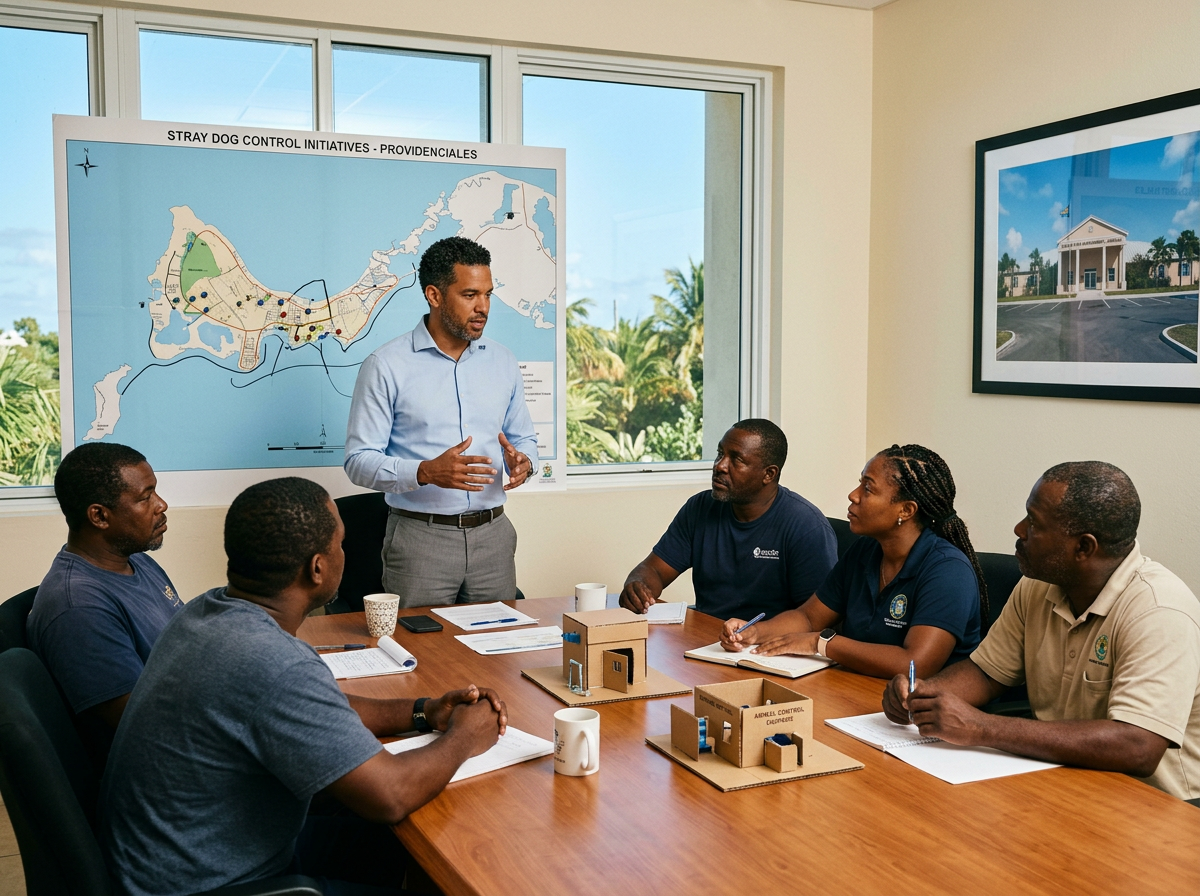
Government strengthens stray dog control efforts following strategic meeting with licensed trappers
suntci.com (Opens in new tab) | Published: 6/1/2026
The Department of Agriculture met with licensed dog trappers on May 27, 2026 to address the growing stray dog issue across the Turks and Caicos Islands, especially on Providenciales. Trappers reported major operational setbacks, including people damaging, stealing, or opening traps to release captured animals. These actions waste fuel and time while destroying expensive government equipment imported into the islands. Zhavargo Jolly, Minister responsible for Agriculture, praised the licensed trappers for their work and warned that roaming dogs cannot become normal in public spaces. The department cautioned that tampering with traps is an offence that can lead to prosecution, while urging owners to keep dogs secured, registered, and sterilised as required by law. Looking ahead, the department is preparing to engage veterinary professionals equipped to run community-based spay and neuter programmes to curb uncontrolled breeding across the islands.
May 29, 2026

Department of Agriculture Launches Dog Trapping Initiative to Promote Public Safety
www.newslinetci.com (Opens in new tab) | Author: NewslineTCI | Published: 5/29/2026
The Department of Agriculture in the Turks and Caicos Islands has launched an active dog trapping exercise across the territory to safely capture roaming dogs following community concerns over animal bites, threats to livestock, and disease transmission. Officials urged pet owners to keep their dogs secured or leashed in public spaces, recommending identification collars or microchips to assist with quick returns. Anyone who suspects their pet was collected during the initiative must contact the department within 72 hours to verify ownership and claim the animal.

Crackdown on stray dogs intensifies across TCI
tcweeklynews.com (Opens in new tab) | Author: Weekly News reporter | Published: 5/29/2026
The Department of Agriculture met with licensed dog trappers on May 27, 2026, to intensify stray dog control measures across the Turks and Caicos Islands, targeting dangerous roaming dogs that have grown increasingly visible on Providenciales and other islands. During the session, trappers warned that members of the public are actively releasing captured dogs, damaging equipment, and stealing expensive imported traps. Minister of Agriculture, Hon Zhavargo Jolly, attended the discussions and stated that roaming dangerous dogs cannot become a normal feature of public spaces. Trappers committed to expanding their operations despite the financial losses and logistical setbacks caused by equipment interference. Officials are reminding residents that tampering with or stealing traps is a criminal offence that can lead to prosecution, while pet owners must legally register, sterilise, and secure their animals. The department is also working alongside veterinary professionals to prepare community spay and neuter programmes to reduce breeding over the long term.
May 20, 2026

Rediscovering the Soil: Why Turks and Caicos Should Reinvest in Agriculture
www.newslinetci.com (Opens in new tab) | Author: Anthony Gardiner | Published: 5/20/2026
An opinion column published on 20 May 2026 argues that the Turks and Caicos Islands must reinvest in agriculture to reduce its dangerous reliance on imports from the United States and lower the rising cost of living. The author notes that while tourism brought prosperity, local farming declined from the days when North Caicos served as the country's garden basket. With imported goods subject to rising freight charges, insurance and duties, minor disruptions in global supply chains risk sudden price spikes and shortages. Modern methods such as greenhouse farming, hydroponics and drip irrigation can overcome climate and land constraints, pointing to the Netherlands and Spain as models of high-yield farming in arid or limited spaces. To rebuild the sector, the column calls for sending study delegations abroad alongside government grants for small-scale farmers, upgraded storage and transport infrastructure, targeted training, and agricultural education in schools.
April 13, 2026
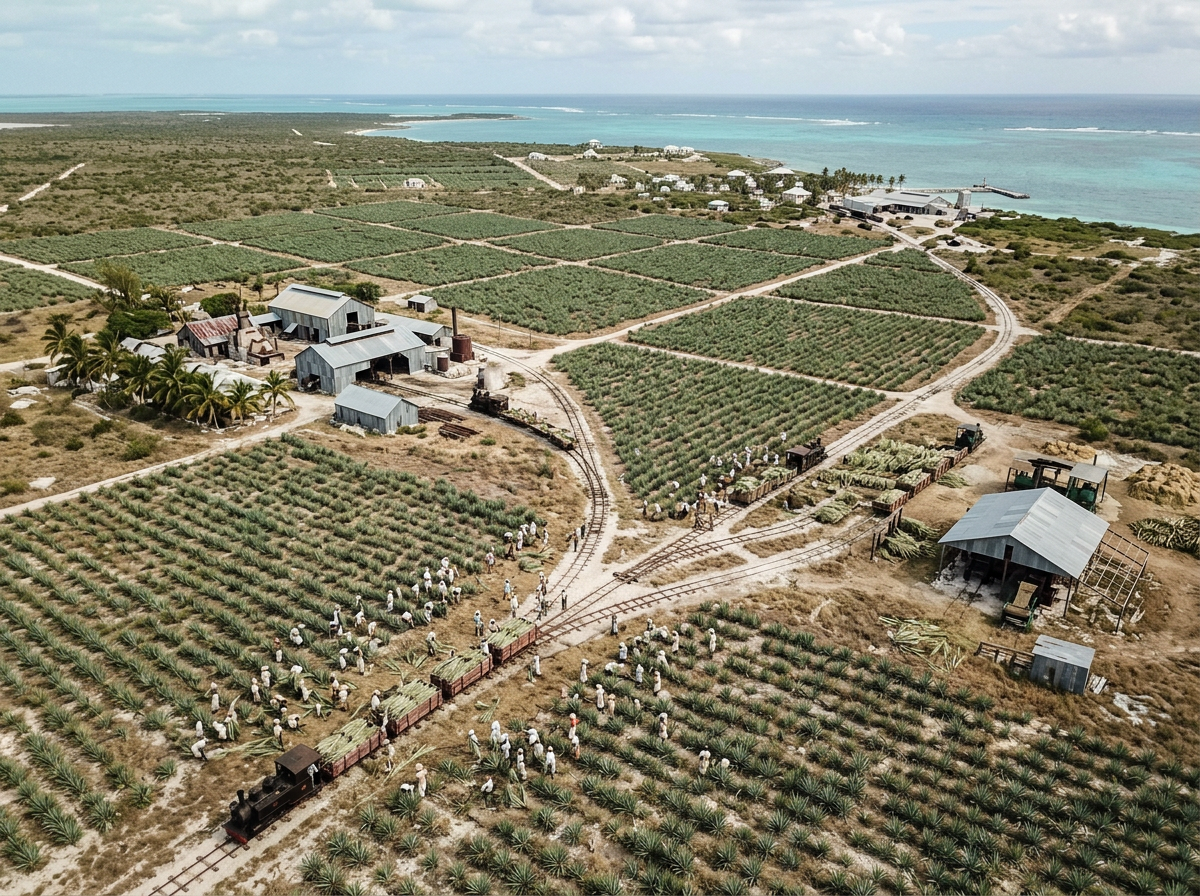
A Fleeting Success
www.timespub.tc (Opens in new tab) | Author: Kathy | Published: 4/13/2026
A historical account published by Jeff Dodge on 14 April 2026 details the brief rise and eventual collapse of the commercial sisal industry on East Caicos. The East Caicos Company, Ltd. incorporated in June 1892 with $50,000 in capital, establishing a major Agave sisalana enterprise based around the settlement of Jacksonville before shutting down in 1919. At its height around 1904, the operation controlled 9,233 acres on East Caicos, with roughly 1,934 acres under cultivation. A 14-mile rail network used mules to transport cut leaves to steam-driven decortication machines at Flamingo Hill and Jacksonville. The operation employed about 200 labourers, mostly from Middle Caicos, who were paid two shillings and three pence a day for men and one shilling for women. Processed fibres were pressed into 200-pound bales and shipped via Grand Turk to American and British rope markets. The enterprise ceased operations in 1919, bringing an end to large-scale sisal cultivation in the Caicos Islands after the West Caicos Fibre Company, Ltd. folded earlier. While historians frequently cite Philippine hemp competition, Dodge points to First World War shipping shortages, trade manipulation by Mexico’s Yucatan monopoly, and unspecified internal company problems recorded in colonial reports.

FisherFolkFirst launches app to connect TCI’s fishers directly with customers
suntci.com (Opens in new tab) | Published: 4/13/2026
Commercial fishers across the Turks and Caicos Islands can now sell their catch directly to consumers through a free app launched by local non-profit organisation FisherFolkFirst. Co-designed with local fishers and built alongside software engineers from Robinform, the platform allows fishers to update their profiles and a "Catch of the Day" page simply by sending photos and videos over WhatsApp. Customers can browse the directory, inspect handling practices, and place orders directly with fishers. Executive Director and Co-Founder Marta Calosso said the organisation wants to "unlock opportunities for TCI’s fishers and empower them to access new markets directly." With only limited exceptions, any active commercially licenced fisher can create a profile. Fishers can sign up by visiting www.fisherfolkfirstapp.com, tapping the WhatsApp icon in the top right corner, and following the prompts, or by emailing info@fisherfolkfirst.org for help.
April 8, 2026

Farmers to get free 100-year access to government land under agro park plan
suntci.com (Opens in new tab) | Author: Daisy Handfield | Published: 4/8/2026
Registered farmers in the Turks and Caicos Islands will receive free access to subdivided government land under long-term leases of up to 100 years through a new agro park programme. The initiative begins in North Caicos to boost local food production and remove barriers to land ownership. Zhavargo Jolly, Minister of Agriculture, Fisheries, the Environment, Heritage, and Gaming, confirmed the government will not charge to lease the plots, preventing the land from being lost to other developments. Participants must complete a training programme at the government farm and advance through different tiers to qualify. In North Caicos, plots will support traditional farming, while a planned cooperative site in Providenciales will offer smaller spaces focused on modern techniques such as hydroponics and aquaponics. Infrastructure at the North Caicos agro park is nearing completion and is expected to be ready by the end of the second quarter of 2026. The first group of farmers will start operations shortly after the site becomes operational later in 2026.