
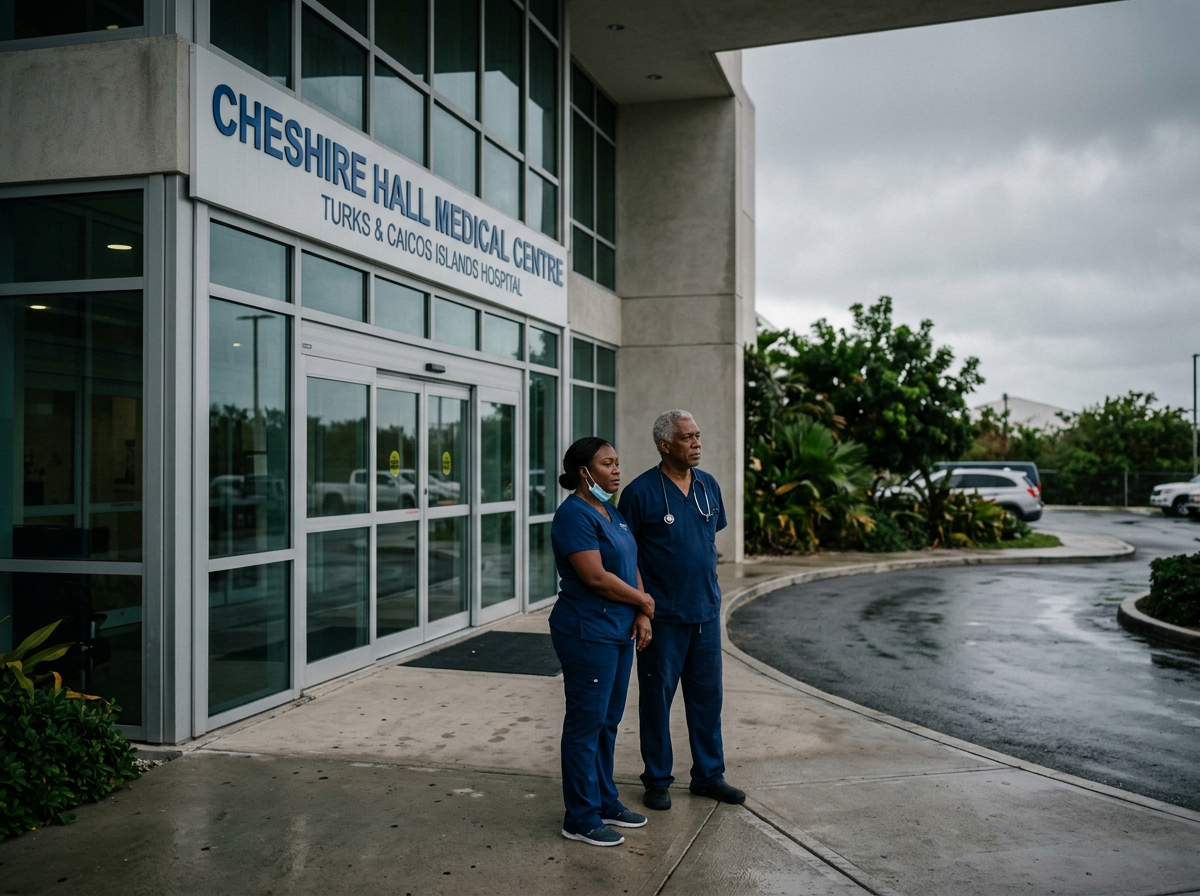
The Turks and Caicos Islands face a critical healthcare impasse as the contract with InterHealth Canada nears its conclusion, with no clear transition plan announced for the nation’s hospitals. Residents are currently navigating a period of profound uncertainty, with a potential healthcare blackout looming in approximately 30 days. While the Premier and the Minister of Health have publicly stated that services remain secure, the current operator has cited material risks and deferred maintenance as significant concerns.
The financial and operational stakes are substantial. Opposition Leader Douglas Parnell has called for the removal of the Premier and the Minister of Health, alleging a failure to disclose the full extent of financial risks, which he estimates could reach $200 million when accounting for potential legal fees and arbitration awards. This anxiety is compounded by the hospital’s own ten-year cancer register, which shows that caseloads have nearly tripled to 192 cases by last year. Dr. Denise Braithwaite-Tennant has emphasized that this data is vital for long-term planning, yet such efforts are currently stalled by the ongoing contractual dispute.
In the legislative sphere, Parliament has passed the Mortgage Corporation Amendment Bill, though a timeline for home financing applications remains absent. This delay affects many citizens earning between $3,000 and $5,000 monthly who are struggling with rising housing costs. Simultaneously, Deputy Premier Jamell Robinson has tabled a new Immigration Bill proposing to increase the qualifying period for a permanent residence certificate from 10 years to 15 years, a significant shift for residents planning their futures in the islands. A debate on this measure is scheduled for mid-October.
Border security remains a priority, underscored by the recent commissioning of two new vessels, Sea Guardian II and Sea Protector II. Governor Dileeni Daniel-Selvaratnam and Premier Missick attended the ceremony, where Commissioner Fitz Bailey highlighted the vessels' importance for search and rescue operations. This investment follows the interception of a migrant boat carrying 60 people on 22 September, a joint operation involving the Turks and Caicos Islands Regiment, the police, and international partners.
The local business landscape is also shifting. Invest Turks and Caicos has opened the Caya Hico Collective in Grand Turk, an MSME storefront designed to support small businesses. However, the government has extended the moratorium on new business licenses for non-Turks and Caicos Islander contractors through April of next year, citing a need to bridge the gap until a new legislative framework for the construction sector is finalized. Furthermore, a new licensing regime for alcohol and tobacco importers, set to take effect 1 November, introduces fees as high as $125,000. PDM member Ezra Taylor has expressed concern that these costs may price small operators out of the market.
Education and infrastructure developments offer some progress. A $4.5 million investment has been announced to upgrade vocational training centers in Providenciales and Grand Turk, focusing on renewable energy and hospitality management certifications. This initiative includes partnerships with local hotels to provide paid internships. Additionally, school renovations in North Caicos are addressing long-standing electrical issues, while plans for a new community park in Bottle Creek are moving forward.
Finally, new maritime safety measures are set to begin on Monday, requiring mandatory life jackets for all small craft rentals. This joint effort by harbor masters and the coast guard follows a series of incidents involving inexperienced visitors. As the islands navigate these complex challenges, from the healthcare crisis to infrastructure and economic policy, the focus remains on ensuring that development serves the long-term needs of the community.